Nikhil Prasad Fact checked by:Thailand Medical News Team Oct 15, 2026 56 minutes ago
A new medical study has raised concerns about potential complications associated with blood transfusions involving donors who received COVID-19 vaccines. Researchers examined nine cases involving serious medical conditions, including abnormal blood clotting, cardiovascular complications, and organ failure, while questioning whether vaccine-associated biological materials could affect transfusion recipients.
 Researchers examining nine serious post-transfusion cases have called for further investigation into potential COVID-19 vaccine-associated components in donated blood, although no causal relationship was established
The findings have renewed discussions about blood donation safety, although the researchers acknowledge that their investigation cannot establish a direct causal relationship between vaccinated donor blood and the reported complications.
Researchers Investigate Nine Cases of Serious Transfusion Complications
The study involved researchers affiliated with the McCullough Foundation, The Wellness Company, Advanced Biological Research Group, Safe Blood Foundation, IPAK-EDU IRB, and Cyrus Scientific Inc., alongside independent researchers in the United States and Canada.
The retrospective investigation examined nine unvaccinated patients from the United States, Netherlands, and Scotland who experienced serious health complications following blood transfusions.
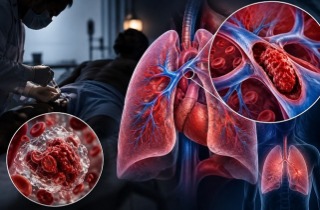
Reported conditions included deep vein thrombosis, pulmonary embolism, pericardial inflammation, extensive blood clotting, disseminated intravascular coagulation, and multiple organ failure.
Severe Blood Clotting and Cardiovascular Complications Reported
Several cases involved unusually extensive clotting complications. One infant reportedly developed progressive thrombosis following a blood transfusion during surgery for congenital abnormalities. According to family accounts, the clot extended from the lower extremity toward the heart despite anticoagulant treatment. The infant subsequently died.
Another patient, a 58-year-old California woman, developed severe pericardial effusion after receiving approximately six to eight units of blood for anemia. Her condition required invasive drainage.
A 68-year-old man who received approximately 13 units of blood for gastrointestinal bleeding subsequently experienced deep vein thrombosis, pulmonary embolism, intracardiac clotting, and multiple organ failure.
Researchers also described a 63-year-old Dutch cancer patient who developed pulmonary embolism and lower-extremity thrombosis approximately five days after receiving four units of blood.
Could Vaccine Associated Components Persist in Donated Blood
An important question highlighted in this
Thailand Medical News report concerns whether biological materials associated with COVID-19 vaccination could remain circulating in donated blood.
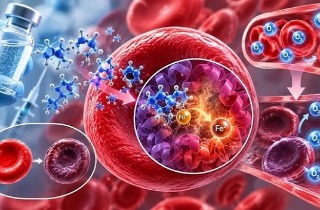
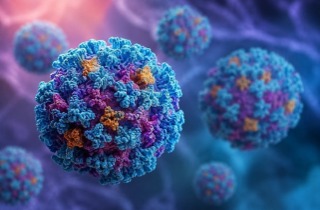
The researchers discussed spike protein, modified messenger RNA, lipid nanoparticles, plasmid DNA fragment
s, and abnormal fibrin microclot complexes.
They suggested that further investigations should determine whether these materials remain biologically active and whether transfusion could introduce clinically significant exposures.
However, the study did not confirm the vaccination status of the blood donors or demonstrate that vaccine-derived substances caused the reported complications.
Study Limitations and Implications for Blood Safety
The researchers acknowledged several important limitations, including the small sample size and reliance on patient testimony, caregiver accounts, and publicly available reports.
Medical records, laboratory findings, and autopsy reports were not independently verified.
Furthermore, underlying illnesses and surgical complications could have contributed to the reported outcomes.
Larger observational investigations cited in the paper found no increased adverse outcomes associated with transfusions from COVID-19-vaccinated donors.
Conclusions
The findings highlight questions about potential biological exposures through donated blood and the importance of continued transfusion safety surveillance.
However, these nine cases do not establish that COVID-19 vaccination makes donated blood unsafe. Larger controlled investigations with verified donor vaccination histories, laboratory testing, and detailed clinical assessments are necessary before drawing definitive conclusions or recommending changes to existing blood donation policies.
The study findings were published in the peer reviewed International Journal of Innovative Research in Medical Science.
https://ijirms.in/index.php/ijirms/article/view/2224
Read Also:
https://www.thailandmedical.news/articles/coronavirus




 Share
Share
 Tweet
Tweet
 Share
Share