Nikhil Prasad Fact checked by:Thailand Medical News Team Jun 23, 2026 3 months, 1 week, 4 days, 7 hours, 58 minutes ago
Medical News: Liver cancer remains one of the deadliest forms of cancer worldwide, with hepatocellular carcinoma (HCC) accounting for the vast majority of cases. A new scientific review is now drawing attention to a promising group of biological targets known as deubiquitinating enzymes, or DUBs, which could open the door to more effective treatments for liver cancer and several other serious liver diseases.
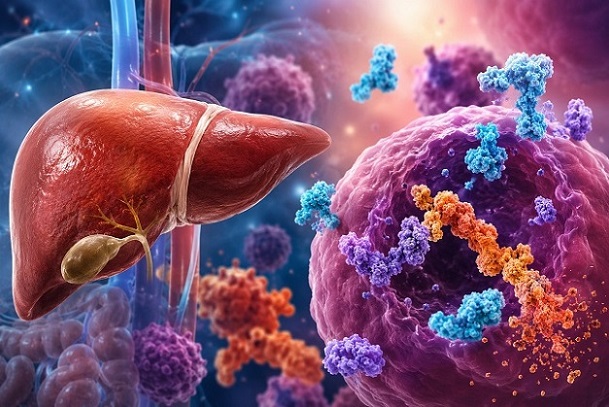 Scientists identify key enzymes that could become the next generation of treatments for liver cancer and chronic liver disease
The review was conducted by researchers from the College of Pharmacy, Chungbuk National University, Cheongju, Republic of Korea.
Why Liver Cancer Is So Difficult to Treat
Hepatocellular carcinoma is often diagnosed at a late stage because early symptoms can be subtle or absent. The disease is commonly linked to chronic liver damage caused by hepatitis infections, excessive alcohol consumption, fatty liver disease, obesity, and metabolic disorders.
Although treatments such as surgery, liver transplantation, targeted drugs, and immunotherapy have improved outcomes, many patients eventually develop treatment resistance. Recurrence rates also remain alarmingly high, making the search for new therapeutic approaches a major priority.
The Tiny Protein Controllers Inside Cells
The researchers focused on deubiquitinating enzymes, a group of molecules that regulate how long proteins survive inside cells.
Normally, unwanted or damaged proteins are marked with a molecular tag called ubiquitin. Once tagged, these proteins are sent to the cell’s disposal system and destroyed. DUBs can remove those tags, effectively rescuing proteins from destruction.
While this process is essential for normal cell function, cancer cells can exploit it. Certain DUBs protect proteins that help tumors grow, spread, evade the immune system, and resist treatment.
Key Enzymes Driving Liver Cancer
The review identified several DUBs that appear to play major roles in liver cancer progression.
Among the most important are USP1, USP7, USP11, USP14, USP19, USP22, USP39, UCHL3, and OTUB1. These enzymes stabilize cancer-promoting proteins and activate pathways that encourage tumor growth.
One of the standout findings involved USP14, which helps liver cancer cells survive radiotherapy and resist drugs such as lenvatinib. USP14 also supports proteins that protect cancer cells from a specialized form of cell death known as ferroptosis.
Another important target is USP7, which strengthens inflammatory and cancer-promoting signaling networks while helping tumors evade immune attack. Researchers noted that blocking USP7 may improve the effectiveness of immunotherapy.
Meanwhile, USP1 was shown to support proteins linked to rapid cell division and metastasis. Experimental inhibitors targeting USP1 have already demonstrated encouraging results in preclinical and early clinical studies.
Potential Beyond Liver Cancer
rong>
The importance of these enzymes extends beyond cancer. The review highlighted evidence that DUBs are also involved in non-alcoholic fatty liver disease, liver fibrosis, and non-alcoholic steatohepatitis.
Certain DUBs appear to drive fat accumulation in the liver, while others promote scarring and chronic inflammation. This suggests that therapies targeting these enzymes could potentially treat multiple liver disorders before they progress to cancer.
This Medical News report highlights how researchers believe DUB-focused therapies could complement existing treatments by directly targeting the molecular machinery that allows cancer cells to survive and adapt.
A New Frontier in Treatment
Several DUB inhibitors are already under development, particularly those targeting USP1 and USP14. Although none have yet received full regulatory approval, early results suggest they may help overcome resistance to current therapies and improve patient outcomes when combined with existing drugs or immunotherapies.
The researchers concluded that deubiquitinating enzymes represent one of the most promising emerging targets in liver disease research. By selectively blocking the enzymes that protect cancer-promoting proteins, future treatments may be able to slow tumor growth, restore treatment sensitivity, reduce disease progression, and ultimately improve survival for patients facing hepatocellular carcinoma and other chronic liver disorders.
The study findings were published in the peer reviewed International Journal of Molecular Sciences.
https://www.mdpi.com/1422-0067/27/12/5625
For the latest research on liver cancer, keep on logging to Thailand Medical News.
Read Also:
https://www.thailandmedical.news/articles/cancer




 Share
Share
 Tweet
Tweet
 Share
Share

































