Nikhil Prasad Fact checked by:Thailand Medical News Team Jan 31, 2026 6 months, 3 days, 20 hours, 30 minutes ago
Medical News: Psilocybin and The Brain- A New Scientific Look
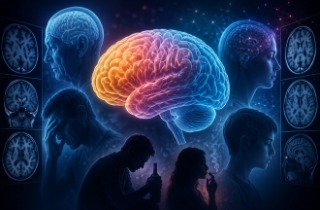
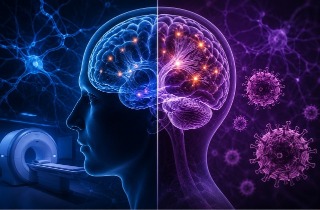
Psilocybin, the natural psychedelic compound found in certain mushrooms, has been gaining attention worldwide for its potential role in treating depression and other mental health conditions. While clinical trials have shown promising results, scientists have long struggled to explain exactly how a single dose can create lasting changes in the brain. Now, a new study provides important answers by focusing on one specific brain region known to be heavily involved in mood and decision making.
 A single dose of psilocybin was found to reduce overactive brain signaling linked to depression by targeting specific neurons in the orbitofrontal cortex.
This
Medical News report highlights groundbreaking findings that reveal how psilocybin acts on very specific brain cells rather than affecting the brain broadly or randomly.
Who Conducted The Study
The research was carried out by scientists from the Department of Neurobiology, School of Basic Medical Sciences and the National Institute on Drug Dependence at Peking University in Beijing, China. Additional contributors came from the School of Electrical Engineering and Computer Science at the University of North Dakota, USA, the Peking University Sixth Hospital and Institute of Mental Health, and the College of Integrative Chinese and Western Medicine at Tianjin University of Traditional Chinese Medicine.
Why The Orbitofrontal Cortex Matters
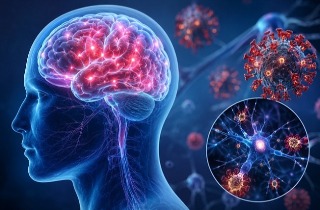
The scientists focused on the orbitofrontal cortex, a region of the brain involved in emotional control, decision making, reward processing, addiction, and depression. This area is known to become overactive in people with mood disorders. Reducing excessive activity here has been linked to improvements in depressive symptoms.
What The Researchers Did
Using adult male mice, the team administered a single dose of psilocybin and examined the brain 24 hours later, after the drug’s immediate effects had completely worn off. They combined advanced genetic techniques with electrical recordings of brain cells and behavioral tests that mimic depression-like symptoms.
This allowed them to study not just behavior, but also deep cellular and molecular changes inside the brain.
Key Findings
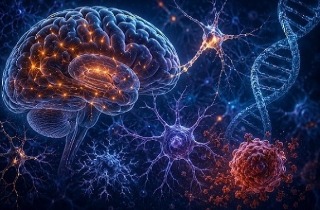
The study found that psilocybin mainly affected one specific group of brain cells called layer five pyramidal neurons. These neurons act as major output cells, sending signals from the orbitofrontal cortex to other brain regions.
After psilocybin exposure, these neurons showed reduced activity and weaker communication with other cells. This happened because genes involved in excitatory signaling and synapse formation were turned down. In contrast, nearby inhibitory neurons showed little to no long-term change.
Importantly, when scientists blocked or removed a key serotonin receptor known as 5-HT2A from these pyramidal neurons, psilocybin no longer produced its antidepressant-l
ike effects. This confirmed that the drug’s benefits depend on very precise cellular targets rather than widespread brain stimulation.
Why This Matters For Depression Treatment
By selectively lowering excessive activity in the orbitofrontal cortex, psilocybin may help reset unhealthy brain circuits linked to rumination, negative thinking, and emotional rigidity. This targeted calming effect could explain why a single dose can lead to lasting mood improvements.
Conclusion
These findings strongly suggest that psilocybin works not by overstimulating the brain, but by gently reducing overactive neural outputs in a critical emotional control center. By pinpointing specific neurons and receptors involved, the study offers valuable guidance for safer psychedelic-based therapies and future antidepressant drug development that avoids unnecessary side effects while maximizing long-term benefit.
The study findings were published in the peer reviewed journal: Neurotherapeutics.
https://www.sciencedirect.com/science/article/pii/S1878747926000115
Please note that this article based on research studies and is not meant to be of medical advice….do not attempt to consume psilocybin without consulting a doctor and also only in countries where it is legal. Taking psilocybin without a doctor presence can be dangerous and also if consumed in countries where it its considered illegal, criminal charges can follow.
For the latest on Psilocybin research, keep on logging to Thailand
Medical News.
Read Also:
https://www.thailandmedical.news/news/time-for-medical-and-regulatory-agencies-to-embrace-psilocybin-mainstream
https://www.thailandmedical.news/news/psilocybin-emerging-as-a-game-changer-in-mental-health-treatment
https://www.thailandmedical.news/news/psilocin-and-its-role-in-enhancing-brain-plasticity
https://www.thailandmedical.news/news/danish-study-shows-that-regular-low-doses-of-psilocybin-can-help-with-mental-health-disorders
https://www.thailandmedical.news/news/landmark-study-shows-that-single-dose-of-psychedelic-drug-psilocybin-produced-antianxiety-and-antidepressant-effects-that-last-for-years




 Share
Share
 Tweet
Tweet
 Share
Share