As Millions Fall Ill, 81,000 Hospitalized and 3,100 Dead, US CDC Sounds Alarm Over Explosive H3N2 Flu Surge in Many States
Nikhil Prasad Fact checked by:Thailand Medical News Team Jan 02, 2026 8 months, 11 hours, 22 minutes ago
Medical News: Flu Season Explodes Across the United States
The United States is facing one of its most aggressive flu seasons in recent years, with new federal data revealing a rapid escalation in infections hospitalizations and deaths. According to the latest updates from the U.S. Centers for Disease Control and Prevention, an estimated 7.5 million people have already been infected this season, leading to around 81,000 hospital admissions and at least 3,100 deaths nationwide (note the number of flu deaths are increasing day by day and in some cases are misclassified as being due to other issues when in reality they were triggered by the flu infection). Particularly troubling is the fact that eight children have died so far, five of them reported within a single week, underscoring how swiftly the virus is spreading.
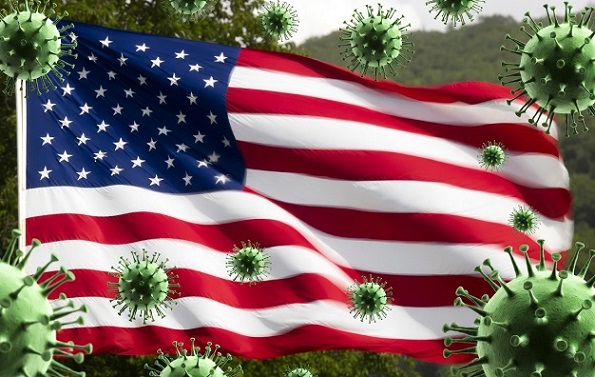 A nationwide flu surge driven by a new H3N2 variant overwhelms American hospitals and alarms health officials
Health officials note that flu activity is rising sharply week after week, driven by colder weather, indoor crowding and holiday travel. Emergency departments are reporting unusually high patient volumes, especially among children and teenagers, signaling a heavy burden on healthcare systems as winter intensifies.
New Mexico Among States with Very High Flu Activity
The U.S. CDC now classifies about 20 states as experiencing very high flu activity, placing New Mexico at the center of growing concern. Other states in this category include Colorado, New York, New Jersey, Massachusetts, Michigan and Ohio. An additional nine states such as Texas, Florida and California are reporting high levels of flu transmission, suggesting that no region of the country is truly spared.
Experts highlight that emergency department visits are significantly higher among those under 18 years old compared to adults. Pediatric wards in several states are nearing capacity, prompting public health warnings for families to take preventive steps seriously.
A Dangerous Variant Driving the Surge
What sets this flu season apart is the dominance of a newly emerging strain known as subclade K, a variant of the H3N2 influenza A virus. While H3N2 is not new, this particular subclade appeared after the current flu vaccines were formulated, causing a “mismatched issue”. Surveillance data from roughly 1,600 CDC tested samples show that about 92 percent were influenza A and nearly 90 percent of those were the new mutated H3N2 subclade K.
This variant had already been detected during the summer in countries such as Canada Japan and the United Kingdom before gaining a strong foothold in the United States. Specialists explain that although the current trivalent flu vaccines still provide some protection, they are not optimally matched to this newer strain, potentially contributing to higher infection rates.
Sharp Weekly Increase Raises Red Flags
In just one week, the U.S. CDC recorded an almost 26 percent increase in positive flu cases nationwide. Epidemiologists anticipate further increases in the coming weeks, particularly as people gather indoors and temperatures drop. T
his
Medical News report highlights how rapidly the situation is evolving and why early intervention is critical.
How To Reduce the Risk of Infection?
Public health officials continue to stress basic preventive measures. People are urged to avoid close contact with anyone who is sick and to stay home when experiencing flu symptoms. Covering coughs and sneezes, washing hands frequently and avoiding touching the face remain essential. Maintaining clean indoor air using ventilation or air purifiers may also reduce exposure risks. Good sleep nutrition hydration and stress management can further support immune defenses.
Seek Early Treatment Without Delay
Doctors strongly advise individuals who begin experiencing flu symptoms to call their primary care physician immediately rather than visiting clinics or emergency rooms. Early treatment with antiviral medications such as Tamiflu can shorten illness duration by at least two days and significantly reduce symptom severity.
Why This Flu Season Demands Serious Attention
The current flu wave is a stark reminder that influenza remains a major public health threat. With millions infected and thousands already dead, the combination of a highly transmissible H3N2 variant and suboptimal vaccine matching has created conditions for a severe season. Vulnerable populations including children, older adults and those with chronic conditions face heightened risks. Timely prevention early treatment and public awareness are essential to limiting further loss of life. As cases continue to climb, health authorities emphasize vigilance community responsibility and rapid response to symptoms to help blunt the impact of this ongoing outbreak.
Reference:
https://www.cdc.gov/fluview/surveillance/2025-week-51.html
For the latest on the H3N2 flu surge, keep on logging to Thailand
Medical News.
Read Also:
https://www.thailandmedical.news/articles/influenza-or-flu




 Share
Share
 Tweet
Tweet
 Share
Share