Kittisak Meepoon Fact checked by:Thailand Medical News Team Dec 01, 2025 10 months, 3 days, 6 hours, 10 minutes ago
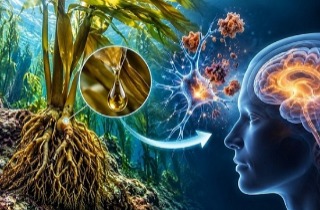
Medical News: Researchers from the University of Perugia in Italy and Selcuk University in Turkey have uncovered promising evidence that tiny natural particles found in rhubarb may help protect the brain from damage linked to Alzheimer’s disease. These particles, known as extracellular vesicles, or EVs, are naturally produced by plants and can carry powerful antioxidant compounds. According to the research team, these rhubarb-derived EVs appear capable of reducing harmful oxidative stress and improving energy balance inside damaged cells. This
Medical News report highlights how this simple dietary plant may hold surprising therapeutic potential.
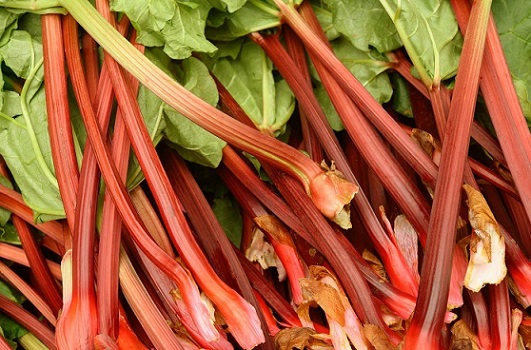 Rhubarb-derived vesicles show strong antioxidant effects that may help protect Alzheimer’s-damaged cells
The study focused on EVs isolated from the rhizome of Rheum rhabarbarum, commonly known as garden rhubarb. Using advanced imaging and biochemical tests, the scientists confirmed that these vesicles are stable, uniform nanoparticles capable of entering human cells. Once inside the cells, they released a rich cargo of natural polyphenols such as epicatechin, gallic acid, and rhein—compounds already known for their antioxidant and anti-inflammatory benefits.
To test their effects, the researchers exposed human fibroblast cells from Alzheimer’s patients to the rhubarb vesicles. These diseased cells normally show very high levels of oxidative stress, reflected by excessive reactive oxygen species (ROS). However, after treatment with the rhubarb EVs, ROS levels dropped sharply, returning close to the levels seen in healthy cells. This strong antioxidant effect was also supported by chemical assays showing the vesicles neutralizing free radicals with notable potency.
Another important finding came from tests measuring how the cells produced energy. Alzheimer’s cells typically shift into an unhealthy over-reliance on glycolysis, a sign of mitochondrial dysfunction. The treated cells, however, showed a marked normalization of their energy metabolism. Their glycolytic activity decreased, suggesting that the vesicles helped restore a more balanced cellular state.
The study also confirmed that the vesicles were non-toxic across all tested concentrations, and in some cases even slightly improved cell viability. This safety profile strengthens the possibility of eventually using plant-derived EVs as natural supplements or nutraceutical products.
Conclusion
The findings demonstrate that rhubarb-derived extracellular vesicles carry powerful natural antioxidants capable of reducing oxidative stress and helping restore disrupted cellular metabolism—two major problems seen in Alzheimer’s disease. While these results come from laboratory experiments and more studies are needed, the research suggests that edible plant vesicles may serve as a safe, natural platform for delivering protective compounds to vulnerable tissues. If future studies confirm these effects in living organisms, rhubarb-derived vesicles could become a novel and accessible tool in managing neurodegenerative conditions.
&l
t;br />
The study findings were published in the peer reviewed journal: Nutrients.
https://www.mdpi.com/2072-6643/17/23/3771
For the latest on Alzheimer’s Disease, keep on logging to Thailand
Medical News.
Read Also:
https://www.thailandmedical.news/articles/alzheimer,-dementia-
https://www.thailandmedical.news/articles/herbs-and-phytochemicals




 Share
Share
 Tweet
Tweet
 Share
Share