Nikhil Prasad Fact checked by:Thailand Medical New Team Jul 08, 2026 1 month, 3 weeks, 4 days, 7 hours, 37 minutes ago
Medical News:
Scientists Discover a Brain Molecule That Can Fuel Tumor Growth and Help Cancers Evade the Immune System
A molecule once believed to be important almost exclusively in the brain is now being recognized as a major player in cancer. Researchers have found that N-acetylaspartate (NAA), a natural compound best known for supporting healthy nerve cells, can also help many cancers grow, survive under stressful conditions, and even escape the body's immune defenses. The findings are reshaping scientists' understanding of cancer metabolism and point to promising new opportunities for earlier diagnosis and more personalized treatments.
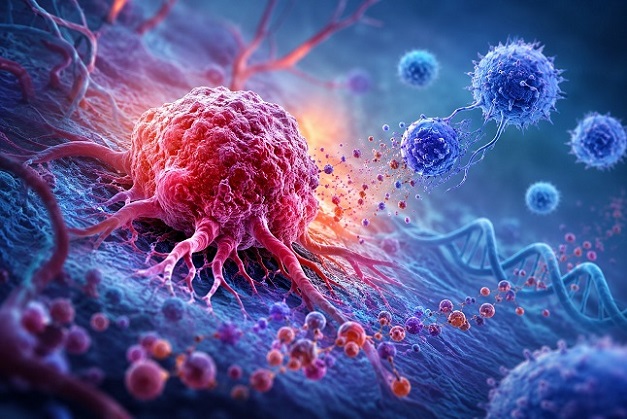 Scientists have identified N-acetylaspartate as an unexpected regulator of cancer growth, metabolism,
and immune evasion that could become a future target for precision therapies
The review was conducted by researchers from the West China Centre of Excellence for Pancreatitis, Institute of Integrated Traditional Chinese and Western Medicine, West China-Liverpool Biomedical Research Centre, West China Hospital, Sichuan University, and the West China Biobank, West China Hospital, Sichuan University, Chengdu, China.
F
rom Brain Metabolite to Cancer Accomplice
For decades, NAA was considered one of the most abundant chemical compounds found in the brain, where it helps maintain communication between nerve cells, supports myelin production, and protects the nervous system. However, growing evidence now shows that many tumors have hijacked this molecule for their own benefit.
The researchers describe NAA as a metabolic regulator that behaves differently depending on the type of cancer. Rather than playing a single role, it functions as a metabolic switch that cancer cells manipulate to maximize their chances of survival.
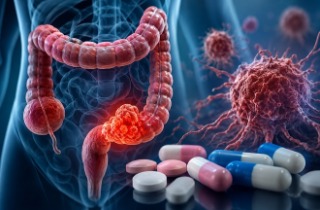
In cancers including non-small cell lung cancer, inflammatory breast cancer, ovarian cancer, high-grade serous ovarian cancer, and castration-resistant prostate cancer, tumor cells often produce unusually large amounts of NAA. This stored supply acts as a reserve of critical nutrients that can be broken down whenever cancer cells need extra energy or raw materials to build new cell membranes, fats, and DNA during rapid growth. This remarkable flexibility allows tumors to continue expanding even when nutrients become scarce.
Some Cancers Benefit by Reducing NAA
Interestingly, not every cancer follows the same strategy. Liver cancer demonstrates the opposite pattern.
Instead of accumulating NAA, liver tumors suppress production of the molecule. Doing so frees up the amino acid aspartate, allowing cancer cells to channel it directly into the production of DNA building blocks that accelerate cell division. This discovery helps explain why NAA can appear to promote cancer in one tissue while being reduced in another. According to the researchers, understanding these different metabolic strategies could become essential for designing future precision cancer therapies.
This
Medical News
report also highlights evidence that the enzyme responsible for producing NAA, known as NAT8L, appears to be a major regulator of these processes. Laboratory studies showed that reducing NAT8L activity significantly slowed the growth of ovarian cancer, melanoma, and lung cancer cells, making the enzyme an attractive target for future drug development.
Helping Tumors Hide from the Immune System
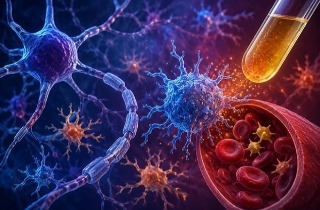
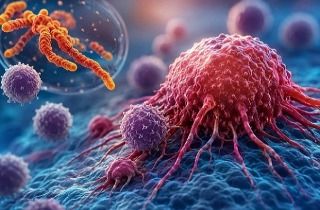
The review also reveals that NAA influences far more than cancer metabolism. Tumors appear to release NAA into their surroundings, where it weakens natural killer cells and CD8 T cells, two of the immune system's most important weapons against cancer.
At the same time, NAA encourages macrophages to transform into a form that supports tumor growth instead of attacking it. These changes create an environment that favors cancer survival, promotes blood vessel formation, and may increase the likelihood of metastasis. Although additional research is needed to confirm these findings in patients, they suggest that blocking NAA could not only starve tumors but also restore the body's natural anti-cancer defenses.
A Promising Biomarker for Future Cancer Care
Another important finding is that elevated NAA can sometimes be detected in the bloodstream of cancer patients. While it is not yet accurate enough to serve as a stand-alone diagnostic test, combining NAA measurements with other metabolic markers could eventually provide doctors with a less invasive way to monitor tumor progression, evaluate treatment response, and detect cancer recurrence earlier.
Conclusion
The growing body of evidence suggests that N-acetylaspartate is far more than a brain metabolite. It has emerged as an important regulator of cancer metabolism, tumor survival, and immune evasion, with its effects varying across different cancer types. Although many discoveries remain at the experimental stage, targeting the NAA-NAT8L pathway could open an entirely new frontier in precision oncology by allowing treatments to be tailored to each tumor's unique metabolic vulnerabilities.
The study findings were published in the peer reviewed International Journal of Molecular Sciences.
https://www.mdpi.com/1422-0067/27/14/6105
For the latest cancer research, keep on logging to Thailand
Medical News.
Read Also:
https://www.thailandmedical.news/articles/cancer




 Share
Share
 Tweet
Tweet
 Share
Share