Murine Study Finds That Zinc Sulfate Shows Brain-Protective Effects in Aged Diabetics
Nikhil Prasad Fact checked by:Thailand Medical News Team Aug 19, 2026 1 month, 2 weeks, 1 day, 7 hours, 32 minutes ago
A new animal study suggests zinc sulfate may help protect the aging brain from damage linked to Type 2 diabetes against diabetic encephalopathy, a condition involving progressive brain-cell damage and cognitive decline.
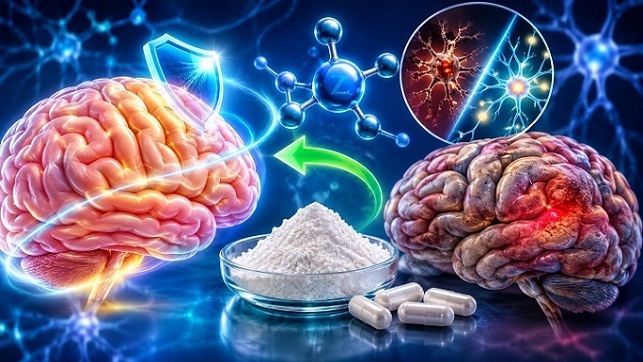 Zinc sulfate reduced several molecular and structural signs of diabetes-related brain damage in aged female rats
Researchers from Samsun University, Ondokuz Mayis University, KTO Karatay University and Selcuk University in Türkiye investigated how zinc affected biochemical, genetic and structural signs of brain injury.
How The Study Was Conducted
The researchers used 32 aged female rats, 18 months old, divided into four groups of eight: healthy controls, healthy rats given zinc sulfate, diabetic rats, and diabetic rats treated with zinc sulfate. Diabetes was produced using a four-week high-fat diet followed by low-dose streptozotocin. Treated animals received zinc sulfate at 10 mg/kg daily by injection for four weeks.
Scientists examined blood fats, blood glucose, oxidative stress, gene activity and microscopic changes in the hippocampus and cerebral cortex, brain areas important for memory and higher thinking.
Zinc Improved Several Diabetes-Related Changes
Untreated diabetic rats developed severe high blood sugar and unhealthy blood fats. Zinc moderately reduced fasting glucose, from 382.5 mg/dL in untreated diabetic rats to 312.4 mg/dL, although glucose remained far above normal. Zinc also improved cholesterol, triglyceride, LDL and HDL patterns.
In the hippocampus, diabetes increased malondialdehyde, or MDA, a marker of oxidative cell-membrane damage, while lowering glutathione, or GSH, an important natural antioxidant. Zinc significantly lowered MDA and raised GSH.
This Thailand
Medical News report also highlights important molecular findings. Diabetes suppressed SIRT-1, GLUT3 and BDNF, involved in stress control, glucose delivery to neurons, brain-cell survival and neuroplasticity. Zinc significantly increased all three. It also reduced the pro-cell-death gene Bax while increasing Bcl-2, which supports cell survival.
Brain Tissue Showed Signs of Protection
Microscopic examination supported many molecular findings. Diabetic animals showed substantial neuronal degeneration in the hippocampus and cortex, including nuclear fragmentation and other cellular injury. Zinc-treated diabetic rats generally showed healthier neuronal structure and less damage. GAP43, a marker linked with nerve repair and plasticity, was also better preserved.
PAS staining, used to reveal carbohydrate-related deposits and vascular or neuronal abnormalities, was intense in untreated diabetic tissue but reduced in important hippocampal areas after zinc treatment.
However, there was an important warning. Healthy rats receiving zinc alone showed notable neuronal degeneration in some hippocampal regions, and NGF results were not consistently improved. Researchers stressed that zinc can become harmful at excessive levels and that dose and tissue exposure
matter.
Important Limitations and Conclusions
This was an animal experiment, not a human clinical trial. Zinc was injected rather than taken orally, brain and blood zinc concentrations were not directly measured, only aged female rats were studied, and behavioral memory tests were not performed.
Overall, zinc sulfate countered several interconnected features of diabetes-related brain injury, including oxidative stress, disturbed neuronal energy handling, abnormal cell-death signaling and structural degeneration. However, mixed findings in healthy zinc-treated animals and the absence of cognitive testing mean human benefits cannot yet be assumed, making carefully controlled clinical research essential before zinc could be considered for this purpose.
The study findings were published in the peer reviewed International Journal of Molecular Sciences.
https://www.mdpi.com/1422-0067/27/16/7412
Read Also:
https://www.thailandmedical.news/articles/diabetes 



 Share
Share
 Tweet
Tweet
 Share
Share

































