Nikhil Prasad Fact checked by:Thailand Medical News Team Dec 08, 2025 8 months, 3 weeks, 4 days, 18 hours, 25 minutes ago
Medical News: NAD and Aging - A Closer Look at Cellular Decline
Researchers from the Center for Nutraceutical and Dietary Supplement Research at the University of Memphis and CalerieLife in Irvine, California, have reviewed how certain dietary supplements may help fight aging and improve health. The focus is on two compounds, nicotinamide riboside (NR) and nicotinamide mononucleotide (NMN), which are believed to raise levels of a key molecule in the body called NAD+ (nicotinamide adenine dinucleotide). NAD+ is essential for converting food into energy, repairing DNA, and keeping cells functioning properly. Unfortunately, as we age, NAD+ levels drop in many tissues, including the brain, liver, and muscles, which can lead to various health problems.
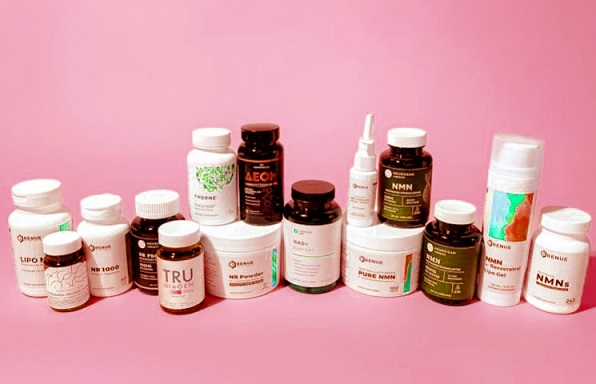 NR and NMN supplements may help increase NAD+ levels and support healthier aging.
This
Medical News report highlights that although lifestyle changes like exercise and fasting can help preserve NAD+ levels, they are often not enough. That’s where supplements like NR and NMN come into play, potentially offering a more direct way to restore this important molecule.
What are NR and NMN and How Do They Work
NR and NMN are both forms of vitamin B3 and serve as building blocks to create NAD+ inside the body. They’re found in small amounts in food like milk, meat, and vegetables, but higher doses are needed for any real health effect. Studies show that taking NR or NMN can significantly raise NAD+ levels in the blood, often within hours. This increase may help activate proteins called sirtuins, which are linked to longevity and stress resistance, and may protect cells from damage caused by aging and disease.
In one human study, NR raised blood NAD+ levels by up to 2.7 times. Other trials showed that both NR and NMN could improve energy metabolism, muscle strength, sleep quality, and even cognitive function in older adults. NMN, in particular, showed benefits for blood sugar control, artery flexibility, and exercise performance.
Animal and Human Studies Show Promise but Caution Needed
In animal studies, both NR and NMN improved heart health, prevented obesity, and enhanced brain function. In mice, NMN even helped protect the gut and improve fertility under stress conditions. In humans, most studies report good safety, with daily doses of 500–1000 mg leading to increased NAD+ without serious side effects.
However, some studies have shown mixed or disappointing results, especially in healthy people with already normal NAD+ levels. Also, while NAD+ levels clearly rise with these supplements, it's still unclear if this always leads to better health or longer life. More large-scale human trials are needed to prove the long-term benefits and ideal dosages of NR and NMN.
Why This Matters for Aging and Health
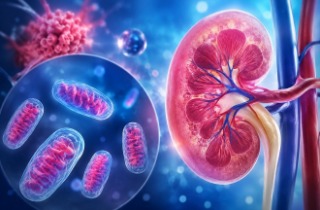
This growing field of research suggests that NR and NMN could play a role in maintaining energy, mental clarity, and overall wellness as we age. They work by enhancing mitochondrial function (the part of the cell that produces energy)
, improving DNA repair, and reducing inflammation. These benefits are especially promising for older adults or people with metabolic issues.
Conclusion
NR and NMN show real promise as tools for boosting NAD+ and potentially fighting age-related decline. While early research in animals and humans is encouraging, more long-term studies are needed to confirm their full effects on health and longevity. Individuals interested in these supplements should consider them as part of a healthy lifestyle that includes proper diet and exercise. The future of anti-aging may very well include NAD+ boosters—but science still has more to learn.
The study findings were published in the peer reviewed journal: Clinical Bioenergetics
https://www.mdpi.com/3042-5158/1/2/9
For the latest on Anti-Aging and Supplements, keep on logging to Thailand
Medical News.
Read Also:
https://www.thailandmedical.news/articles/anti-aging
https://www.thailandmedical.news/articles/supplements




 Share
Share
 Tweet
Tweet
 Share
Share