Nikhil Prasad Fact checked by:Thailand Medical News Team Feb 08, 2026 6 months, 3 weeks, 1 day, 14 hours, 39 minutes ago
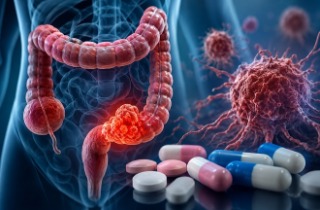
Medical News: Many people living with inflammatory bowel disease, or IBD, already face daily digestive struggles. New research now suggests that a commonly used class of acid reflux medicines may quietly raise the risk of a dangerous gut infection in these patients, especially during the first few years of use.
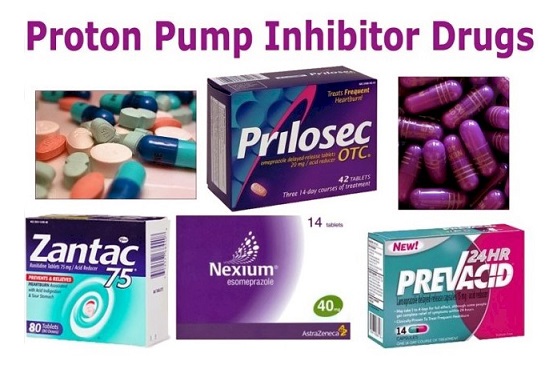 Widely used acid reflux medications may unexpectedly raise infection risks in people with inflammatory bowel disease.
Understanding the Hidden Infection Risk
Widely used acid reflux medications may unexpectedly raise infection risks in people with inflammatory bowel disease.
Understanding the Hidden Infection Risk
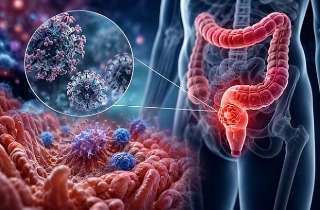
Clostridioides difficile infection, often called C. difficile or CDI, is a serious bacterial infection that causes severe diarrhea, abdominal pain, dehydration, and in extreme cases, life-threatening complications. People with IBD, including Crohn’s disease and ulcerative colitis, are already known to be more vulnerable to this infection due to ongoing gut inflammation and frequent medical treatments.
This
Medical News report highlights findings from one of the largest U.S. studies examining how proton pump inhibitors, or PPIs, influence this risk. PPIs are widely prescribed drugs used to reduce stomach acid and are commonly taken for acid reflux, gastritis, and stomach ulcers.
Who Conducted the Study
The research team included scientists and physicians from the University of Missouri School of Medicine, Charleston Area Medical Center at West Virginia University, Washington University School of Medicine in St. Louis, Mercy Hospital St. Louis, Harry Truman VA Hospital, and SSM Health DePaul Hospital in Missouri.
How the Study Was Done
Researchers reviewed medical records of 834 IBD patients treated between 2017 and 2021. They tracked confirmed cases of C. difficile infection and compared infection rates between patients who used PPIs and those who did not. They also examined how long patients had been taking PPIs and adjusted results for other risk factors such as antibiotic and steroid use.
Key Findings Explained Simply
About 9 percent of all patients developed C. difficile infection. Nearly 42 percent were using PPIs. After adjusting for other factors, PPI users showed a striking increase in infection risk. Those who had taken PPIs for less than 30 months were more than twice as likely to develop C. difficile compared to non-users. Surprisingly, patients who had used PPIs for longer than 30 months did not show an increased risk.
The study also found that corticosteroids combined with antibiotics sharply increased infection risk, while acid reducers known as H2 blockers did not raise risk at all.
Why This Matters for Patients
PPIs reduce stomach acid, which normally helps kill harmful bacteria. Lower acid levels may allow dangerous bacteria to survive and spread into the intestines, triggering infection. The unexpected finding that long-term users did not show higher risk may be linked to changes in gut bacteria over time, but researchers stress that this needs further investigation.
Final Thoughts and Conclusions
These findings suggest that PPIs should be prescribed carefully in people with inflammatory bowel disease, especially for short-term use. Doctors may need to reassess whether acid-suppressing drugs are truly necessary and explore safer alternatives when possible. Patients should never stop medications on their own, but informed discussions with healthcare providers could help reduce avoidable infection risks and improve long-term gut health outcomes.
The study findings were published in the peer reviewed journal: Biologics.
https://www.mdpi.com/2673-8449/5/4/38
For the latest on the dangers of using PPIs, keep on logging to Thailand
Medical News.
Read Also:
https://www.thailandmedical.news/news/proton-pump-inhibitors-ppis-impact-gut-health-by-translocating-oral-microbiota
https://www.thailandmedical.news/news/usage-of-proton-pump-inhibitors-associated-with-higher-risk-of-susceptibility-to-influenza-pneumonia-and-covid-19
https://www.thailandmedical.news/news/health-news-university-of-minnesota-study-finds-that-long-term-use-of-ppis-for-gastric-reflux-linked-to-higher-risk-of-developing-dementia
https://www.thailandmedical.news/news/proton-pump-inhibitors-ppis-increases-risk-of-fatty-liver-disease-by-disrupting-gut-microbiome-balance-according-to-korean-study
https://www.thailandmedical.news/news/ppis-or-acid-reflux-drugs-affects-cognitive-abilities-of-breast-cancer-survivors
https://www.thailandmedical.news/news/study-finds-another-negative-side-effect-of-ppi-usage,-this-time-linked-to-increased-risk-of-acute-gastroenteritis
https://www.thailandmedical.news/news/more-bad-news-for-users-of-proton-pump-inhibitors-(ppis),-as-these-gastric-reflux-drugs-are-implicated-in-cholangitis
https://www.thailandmedical.news/news/more-studies-emerging-that-ppis-(proton-pump-inhibitors)-linked-to-increased-risks-of-deaths
https://www.thailandmedical.news/news/new-study-links-ppis-to-kidney-disease-and-failure
https://www.thailandmedical.news/news/acid-reflux-medications-and-proton-pump-inhibitors-(ppis)-linked-to--kidney-disease




 Share
Share
 Tweet
Tweet
 Share
Share