Nikhil Prasad Fact checked by:Thailand Medical News Team Feb 02, 2026 7 months, 8 hours, 34 minutes ago
Medical News: Heart failure continues to affect tens of millions of people worldwide and remains one of the leading causes of hospitalization, disability, and premature death. Despite major advances in medications and medical devices, most existing treatments focus largely on managing symptoms rather than correcting the deeper biological damage that weakens the heart. New scientific evidence now indicates that repairing the heart’s internal energy systems through gene therapy may represent a significant shift in how heart failure is treated.
 Gene therapy that restores heart cell energy production may reshape the future of heart failure treatment
Mitochondria at the Core of the Disease
Gene therapy that restores heart cell energy production may reshape the future of heart failure treatment
Mitochondria at the Core of the Disease
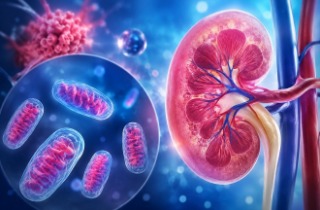
At the center of this emerging research are mitochondria, often referred to as the powerhouses of the cell. In a healthy heart, mitochondria generate nearly all the energy required for the heart to beat continuously. In heart failure, these structures become damaged and inefficient. As a result, heart muscle cells switch from efficient fat-based energy production to weaker backup pathways. This energy deficit leads to rising oxidative stress, inflammation, and progressive deterioration of heart muscle function.
Why Conventional Treatments Have Limits
Most standard heart failure therapies act on blood pressure, fluid balance, or hormonal signaling pathways. While these approaches can reduce symptoms and prolong survival, they do not directly restore damaged heart cells or their energy-producing capacity. Increasingly, researchers recognize mitochondrial dysfunction as a central driver of heart failure progression, meaning that without correcting this defect, long-term recovery remains limited.
How Gene Therapy Offers a New Strategy
Gene therapy provides a way to overcome one of the biggest challenges in heart treatment: delivering beneficial proteins directly into heart muscle cells. Using carefully engineered adeno-associated viruses, scientists can transport corrective genes into cardiomyocytes. Once inside the cells, these genes instruct the heart to produce proteins that restore energy metabolism, stabilize calcium balance, reduce oxidative damage, and support healthier mitochondrial function.
Key Findings from the Research Review
According to this
Medical News report, experimental studies summarized in the scientific review show that gene therapy aimed at mitochondrial pathways can significantly improve heart performance in animal models of heart failure. Enhancing genes involved in fat metabolism, mitochondrial repair, and calcium regulation reduced heart muscle enlargement, improved energy output, and slowed disease progression. Notably, the benefits were strongest when therapy was applied early, before extensive scarring and irreversible structural changes had developed.
Improved Viral Vectors Increase Precision
The review also emphasizes the importance of viral delivery systems. Certain adeno-associated virus types, particularly AAV9 and
AAV6, demonstrated a strong ability to reach heart cells while limiting unwanted effects in other organs. Researchers are now developing next-generation vectors designed to evade immune detection and improve safety, an essential step toward human clinical use.
Institutions Behind the Study
The researchers are affiliated with several prominent institutions, including the Institute of Medicine at RUDN University, the Shemyakin-Ovchinnikov Institute of Bioorganic Chemistry of the Russian Academy of Sciences, the Institute of Translational Medicine at Pirogov Russian National Research Medical University, the National Research University Higher School of Economics, and the Federal Center of Brain Research and Neurotechnologies, all based in Russia.
Conclusions and Future Implications
These findings suggest that targeting the heart’s energy systems could finally allow treatment of heart failure at its biological root. Although challenges remain, including immune responses, delivery efficiency, and patient selection, advances in gene therapy technology are steadily narrowing these gaps. If future human trials confirm these benefits, mitochondrial-targeted gene therapy could redefine heart failure care by preserving heart muscle, improving quality of life, and extending survival for millions of patients.
The study findings were published in the peer reviewed journal: Biomedicines.
https://www.mdpi.com/2227-9059/14/2/344
For the latest on Heart Failure, keep on logging to Thailand
Medical News.
Read Also:
https://www.thailandmedical.news/articles/cardiology




 Share
Share
 Tweet
Tweet
 Share
Share