Nikhil Prasad Fact checked by:Thailand Medical news Team Dec 20, 2024 1 year, 9 months, 2 weeks, 1 day, 45 minutes ago
Medical News: A Breakthrough in Understanding Psychedelics and Mental Health
Researchers from the University of Heidelberg’s Central Institute of Mental Health, the German Cancer Research Center, the Hector Institute for Translational Brain Research, and other esteemed institutions in Germany have uncovered groundbreaking insights into how psilocin, the active compound in psilocybin, interacts with human brain cells. This study is a step forward in understanding how psychedelics can offer therapeutic benefits for treatment-resistant depression, anxiety, and substance abuse disorders.
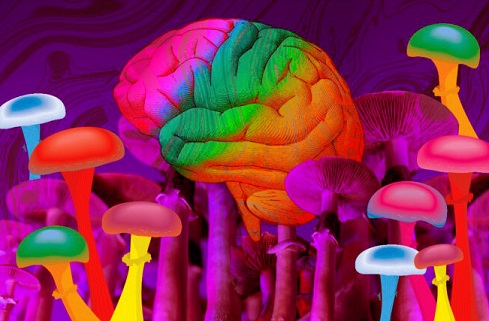 Psilocin and Its Role in Enhancing Brain Plasticity
What the Study Explores
Psilocin and Its Role in Enhancing Brain Plasticity
What the Study Explores
Psilocin, a metabolite of psilocybin, is known for its role in inducing altered states of consciousness. However, the exact biological mechanisms underlying its therapeutic effects have remained elusive. This
Medical News report delves into a study where human cortical neurons derived from induced pluripotent stem cells (iPSCs) were exposed to psilocin. By analyzing the molecular, structural, and functional changes in these neurons, the researchers aimed to uncover the pathways through which psilocin promotes neuroplasticity.
Key Findings of the Study
One of the study's primary discoveries was the ability of psilocin to influence the localization and abundance of 5-HT2A receptors, a critical component in serotonergic signaling. Within minutes of exposure, the receptors began internalizing, initially in axonal compartments, followed by somatodendritic areas. This process was linked to clathrin-mediated endocytosis, which suggests a precise cellular response to psilocin.
Another significant finding was the marked increase in brain-derived neurotrophic factor (BDNF) levels in neurons treated with psilocin. BDNF is essential for maintaining brain health, promoting the growth and differentiation of new neurons, and supporting synaptic plasticity. The study revealed that this upregulation of BDNF was mediated by the activation of 5-HT2A receptors and involved protein kinase C pathways.
Transformative Effects on Neuronal Structure
The study demonstrated that psilocin exposure leads to significant structural changes in neurons. Using advanced imaging techniques, the researchers observed increased neuronal complexity, such as enhanced dendritic arborization and greater synaptic density. These changes were evident within 24 hours of a single psilocin exposure and persisted for several days.
Functional Enhancements in Neural Networks
Electrophysiological recordings highlighted the functional impact of psilocin on neural networks. Treated neurons showed increased excitability and enhanced synaptic activity, evident from a rise in spontaneous and miniature excitatory postsynaptic currents. These changes suggest that psilocin not only alters the physical structure of neurons but also optimizes their functional connectivity.
Implications for Mental Health Treatments
The study’s findings offer compelling evidenc
e for the potential of psilocin to act as a "psychoplastogen," a substance that promotes neuroplasticity. By resetting dysfunctional neural circuits, psilocin could pave the way for innovative treatments for psychiatric disorders characterized by synaptic deficits.
The implications of this research are profound. As mental health challenges continue to rise globally, the ability to harness the neuroplastic potential of psychedelics could revolutionize therapeutic approaches, providing relief for conditions that resist traditional treatments.
Conclusions and Future Directions
In conclusion, this study sheds light on the intricate ways psilocin interacts with human neurons, from receptor dynamics to gene expression and functional network changes. These insights underline the potential of psychedelics to induce long-lasting positive changes in brain function, which could be harnessed in clinical settings.
The findings also underscore the need for further research to translate these laboratory discoveries into safe and effective therapies for patients. By exploring the broader spectrum of psychedelics and their impact on human neurobiology, researchers aim to unlock new frontiers in mental health treatment.
The study findings were published in the peer-reviewed journal: Cell Reports.
https://www.researchsquare.com/article/rs-4242829/v2
For the latest on Psilocin, keep on logging to Thailand
Medical News.
Read Also:
https://www.thailandmedical.news/news/sars-cov-2-nsp7-protein-impairs-synaptic-plasticity-in-the-brain-leading-to-memory-loss
https://www.thailandmedical.news/news/danish-study-shows-that-regular-low-doses-of-psilocybin-can-help-with-mental-health-disorders
https://www.thailandmedical.news/news/landmark-study-shows-that-single-dose-of-psychedelic-drug-psilocybin-produced-antianxiety-and-antidepressant-effects-that-last-for-years




 Share
Share
 Tweet
Tweet
 Share
Share