Nikhil Prasad Fact checked by:Thailand Medical News Team Jun 29, 2026 2 months, 3 days, 8 hours, 27 minutes ago
Medical News: A New Frontier in Cancer Research
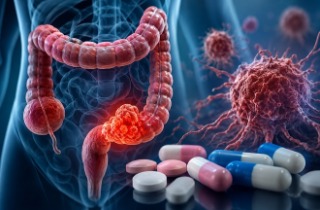
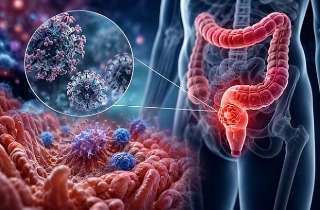
In a striking new development, scientists have uncovered how certain gut bacteria may actively contribute to the growth of colorectal cancer, opening the door to entirely new treatment strategies. Rather than focusing only on human cells, this research highlights the powerful role of microbes living inside the digestive system.
 Key gut bacteria and their genes may play a direct role in fueling colorectal cancer growth
The study was conducted by researchers from the Bioinformatics Lab (Department of Statistics), University of Rajshahi; the Department of Computer Science and Engineering, Rajshahi University of Engineering and Technology; the Department of Statistics and Data Science, Barishal University; and TMSS Medical College, Bogura, Bangladesh.
What Researchers Examined
Colorectal cancer is one of the most common and deadly cancers worldwide. Despite advances in treatment, many patients experience relapse or reduced drug effectiveness over time. This has led scientists to explore new angles—including the role of gut bacteria.
In this study, researchers analyzed stool samples from 24 individuals with colorectal cancer and 50 healthy individuals. They discovered that although the number of bacterial species was similar, the types of bacteria present were significantly different between the two groups.
Dangerous Bacteria Identified
The team identified 42 bacterial species that showed major differences between cancer patients and healthy individuals. Among these, four bacteria stood out as particularly important:
-Bacteroides fragilis
-Bacteroides ovatus
-Bacteroides uniformis
-Flavonifractor plautii
These bacteria were found in higher amounts in people with colorectal cancer. While some of them are normally harmless, they can become harmful under certain conditions, potentially triggering inflammation or disrupting normal gut functions.
The Role of “Key Genes”
Going a step further, scientists investigated specific genes within these bacteria—referred to as bacterial key genes. These genes help bacteria survive, grow, and interact with the human body.
Using advanced computational methods, the researchers identified 10 such genes that appear essential for the survival of these cancer-associated bacteria. These genes are believed to influence how bacteria interact with human cells and may contribute to cancer progression.
By targeting these genes, scientists believe it may be possible to weaken harmful bacteria and reduce their role in driving cancer.
Potential Drug Breakthrough
In a major highlight of the study, researchers screened over 100 existing drug compounds to see if any could effectively target these bacterial genes. Three compounds showed particularly strong potential:
-Sulfasalazine
-Aminoglutethimide
-Tipiracil
&
lt;br />
These drugs demonstrated strong binding to bacterial targets in computer simulations and also showed favorable safety and absorption characteristics. This suggests they could be repurposed as part of future colorectal cancer treatments.
This
Medical News report underscores a growing shift in cancer research—moving beyond tumor cells to include the microbiome as a key player in disease.
Why This Discovery Matters
This research introduces the concept of microbiome-guided therapy, where treatment focuses on controlling harmful bacteria rather than only attacking cancer cells. Such an approach could improve treatment outcomes, reduce side effects, and help overcome drug resistance.
It also highlights the importance of maintaining a healthy gut microbiome, as imbalances in bacterial populations may contribute to serious diseases like cancer.
Conclusion
The study provides compelling evidence that gut bacteria are not just passive bystanders but may actively drive colorectal cancer development through specific genetic mechanisms. By identifying harmful bacterial species and their essential genes, researchers have opened a promising new pathway for treatment. The discovery of existing drugs that may target these bacterial systems further strengthens the potential for faster clinical applications. While more laboratory and human studies are needed, this research represents a major step forward in understanding and potentially treating colorectal cancer in a more targeted and effective way.
The study findings were published in the peer reviewed journal: PLOS One.
https://journals.plos.org/plosone/article?id=10.1371/journal.pone.0343565
For the latest research on colon cancer, keep on logging to Thailand
Medical News
Read Also:
https://www.thailandmedical.news/articles/cancer




 Share
Share
 Tweet
Tweet
 Share
Share