Nikhil Prasad Fact checked by:Thailand Medical News Team Apr 20, 2026 5 months, 2 weeks, 1 hour, 1 minute ago
Medical News: Endometriosis is a painful and often misunderstood condition affecting millions of women worldwide, yet many are turning to dietary supplements in hopes of finding relief. A new critical review now questions whether these popular remedies truly work, despite growing hype around their benefits.
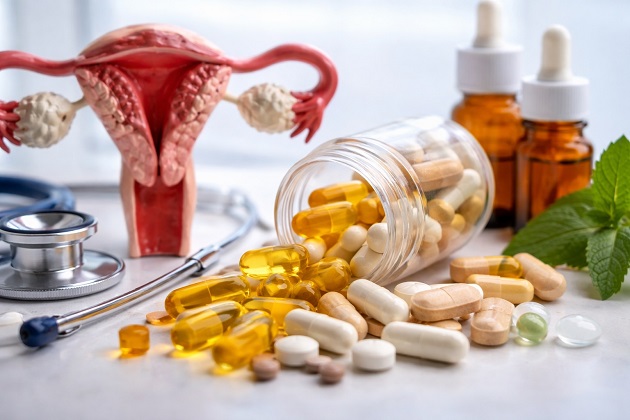 New research questions whether popular supplements truly ease endometriosis symptoms despite widespread use
Growing Interest in Alternative Approaches
New research questions whether popular supplements truly ease endometriosis symptoms despite widespread use
Growing Interest in Alternative Approaches
Endometriosis occurs when tissue similar to the lining of the uterus grows outside it, leading to chronic pelvic pain, painful periods, and even infertility. Standard treatments include hormonal therapies and surgery, but these are not always effective or suitable for every patient. As a result, many women explore alternative options such as vitamins, minerals, and plant-based compounds.
Researchers from the Medical University of Silesia in Poland, including experts from the Clinical Department of Gynecology and Obstetrics in Zabrze and the Department of Pathophysiology in Katowice, conducted an extensive review to evaluate whether supplements can truly help manage this condition.
What The Study Examined
The researchers analyzed 34 studies sourced from major scientific databases, including randomized controlled trials and observational studies. They looked at a wide range of supplements such as vitamin D, vitamin C, vitamin E, omega-3 fatty acids, magnesium, selenium, curcumin, probiotics, and others.
Laboratory and animal studies have suggested that some of these compounds may reduce inflammation, oxidative stress, and abnormal cell growth—key processes involved in endometriosis. For example, omega-3 fatty acids and antioxidants like vitamin C have shown potential in reducing lesion size and pain in experimental models.
However, results in human trials were far less convincing.
Mixed And Often Disappointing Results
Among the supplements studied, only a few showed limited benefits. Combinations of vitamins C and E consistently demonstrated some reduction in pain symptoms, particularly menstrual pain and chronic pelvic discomfort. Selenium supplementation also showed promise in one small study, improving pain scores and reducing lesion size.
Yet for most other supplements, the findings were inconsistent or negative. Vitamin D, despite its known role in immune regulation, failed to show clear benefits in most clinical trials. Omega-3 fatty acids produced mixed outcomes, with some studies showing improvement and others showing no effect at all.
Similarly, probiotics, curcumin, resveratrol, and magnesium did not demonstrate reliable benefits in reducing symptoms. Even widely discussed compounds like N-acetylcysteine and alpha-lipoic acid lacked strong evidence from high-quality trials.
This
Medical News report highlights that while early laboratory data may appear promising, these findings often do not translate into meaningful
clinical improvements for patients.
Why The Evidence Falls Short
One major issue identified by the researchers is the poor quality of many studies. Most trials involved small numbers of participants, short follow-up periods, and varying doses of supplements. Additionally, many studies relied on subjective pain scores rather than objective measures.
Differences in patient characteristics, such as disease severity and age, also made it difficult to compare results across studies. In some cases, supplements were tested in combination with other treatments, making it unclear which component was responsible for any observed benefit.
No Clear Recommendations Yet
Despite the popularity of dietary supplements, the review concluded that there is currently not enough strong evidence to recommend their routine use in treating endometriosis. While some options may offer mild relief for certain individuals, they should not replace standard medical treatments.
Conclusion
The findings underscore a critical gap between experimental promise and real-world effectiveness. Although certain supplements like vitamins C and E or selenium show hints of benefit, the overall evidence remains weak and inconsistent. Large, well-designed clinical trials are urgently needed to determine whether any of these interventions can truly help women suffering from endometriosis. Until then, patients should approach supplements with caution and consult healthcare professionals before use, as relying solely on unproven remedies may delay effective treatment and prolong suffering.
The study findings were published in the peer reviewed journal: Nutrients.
https://www.mdpi.com/2072-6643/18/8/1274
For the latest on preventing or treating endometriosis, keep on logging to Thailand
Medical News.
Read Also:
https://www.thailandmedical.news/articles/supplements




 Share
Share
 Tweet
Tweet
 Share
Share

































