U.S. CDC Issues Travel Advisory for El Paraiso, Honduras due to Surge in Chikungunya Infections
Nikhil Prasad Fact checked by:Thailand Medical News Team Nov 28, 2026 6 minutes ago
Rising Infections Trigger International Health Alert
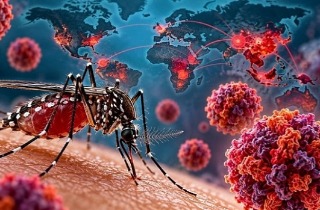
The United States Centers for Disease Control and Prevention (CDC) issued a Level 2 Travel Health Notice on November 25, 2026, for El Paraíso, Honduras, following a concerning surge in chikungunya infections. The advisory urges international travelers to practice enhanced precautions against the mosquito-borne viral disease.
 Rising Chikungunya infections in Honduras trigger a U.S. CDC travel advisory amid concerns over expanding
community transmission
Honduras has recorded 28 confirmed chikungunya cases, including 15 new infections reported within the preceding two weeks. El Paraíso accounts for 23 cases, representing approximately 82 percent of all reported infections, followed by the Central District with three cases and Atlántida with two. No fatalities have been reported.
Community Transmission Raises Concerns
Health authorities have identified local community transmission in Alauca, a municipality within El Paraíso. The region’s proximity to neighboring Nicaragua, which is experiencing an active chikungunya epidemic, has raised concerns about cross-border transmission and further outbreaks.
According to information gathered for this
Thailand Medical News report, the CDC recommends chikungunya vaccination for travelers visiting outbreak-affected areas.
Pregnant women, particularly those approaching delivery, should reconsider travel because maternal transmission around childbirth can cause severe illness in newborns.
Painful Symptoms and Long-Term Complications
Chikungunya symptoms typically develop three to seven days after an infected mosquito bite. Patients frequently experience sudden fever, debilitating joint pain, headaches, muscle pain, joint swelling, and skin rashes.
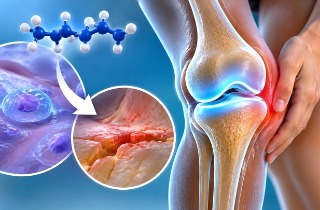
Although most patients recover within approximately one week, persistent joint pain can continue for months or even years, significantly affecting mobility and quality of life.
Newborns, adults aged 65 and older, and individuals with diabetes or cardiovascular disease face increased risks of severe complications. No specific antiviral treatment currently exists.
Preventive Measures Remain Critical
Travelers should use EPA-registered insect repellents, wear protective clothing, and stay in accommodations equipped with air conditioning or intact mosquito screens.
The rapid increase in infections highlights the importance of strengthened disease surveillance, mosquito control, vaccination, and public awareness. Without effective containment measures, continued community transmission could potentially extend into additional Honduran regions.
Reference:
https://wwwnc.cdc.gov/travel/notices/level2/chikungunya-honduras
&a
mp;nbsp;




 Share
 Tweet
 Share