Nikhil Prasad Fact checked by:Thailand Medical News Team Nov 02, 2026 59 minutes ago
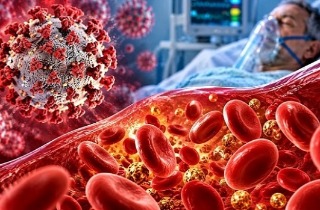
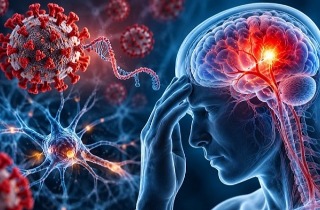
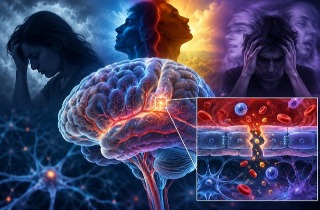
A new scientific analysis from Stanford University suggests that problems with the brain’s natural waste removal systems could help explain why millions of people with myalgic encephalomyelitis/chronic fatigue syndrome (ME/CFS) and Long COVID experience persistent exhaustion, brain fog, disrupted sleep, and worsening symptoms after physical activity.
 Stanford researchers explore how impaired brain waste clearance and cellular recycling could contribute to
persistent fatigue, brain fog, and neurological symptoms in ME/CFS and Long COVID.
The researchers propose that two interconnected biological processes responsible for removing harmful cellular waste may become impaired, allowing abnormal proteins to accumulate and potentially contribute to neurological dysfunction.
The research involved scientists from the Stanford Genome Technology Center, Stanford University, Palo Alto, California, USA.
Two Brain Cleaning Systems Under Scrutiny
The scientific perspective examines the glymphatic–meningeal lymphatic system and autophagy, two mechanisms that help protect the brain from potentially toxic substances.
The glymphatic system circulates cerebrospinal fluid through brain tissue, helping transport metabolic waste toward drainage pathways connected to lymphatic vessels and cervical lymph nodes.
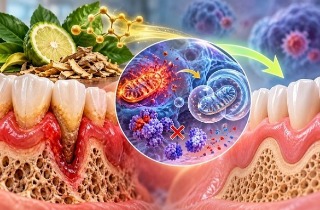
Autophagy operates inside cells, where specialized structures collect damaged proteins and worn-out cellular components before delivering them to lysosomes for breakdown and recycling.
The researchers suggest that dysfunction in either system could interfere with the other, creating conditions favorable for chronic inflammation and neurological symptoms.
Abnormal Proteins Could Trigger a Harmful Cycle
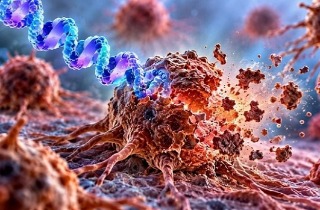
A central focus of this Thailand Medical News report is the potential accumulation of misfolded proteins, which lose their normal three-dimensional structure and may clump together.
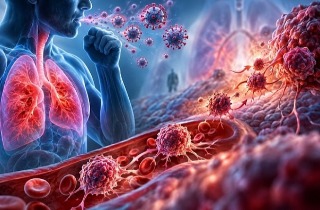
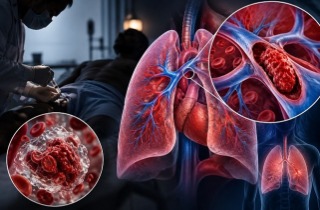
The researchers highlight previous findings showing increased protein aggregation tendencies in blood samples from ME/CFS patients. Studies have also identified amyloid-like fibrin microclots in ME/CFS and Long COVID.
These abnormal structures can resist normal breakdown processes. Some exhibit prion-like characteristics, meaning they may encourage other proteins to misfold, although this does not establish that either illness is contagious through proteins.
The proposed mechanism involves a damaging cycle in which protein accumulation overwhelms cellular recycling, potentially worsening glymphatic drainage and promoting further protein buildup.
Why Sleep Problems and Brain Fog May Be Connected
Both waste clearance systems are influenced by sleep and circadian rhythms. Glymphatic activity is particularly associated with deep, slow-wave sleep, while cellular recycling processes also follow biological timing mechanisms.
The researchers suggest that disturbed sleep could reduce waste clearance, while accumulating cellular debris and inflammation might further disrupt sleep quality.
Astrocytes, specialized bra
in cells that regulate fluid movement through aquaporin-4 water channels, may be especially important. Protein accumulation could interfere with these channels, potentially restricting fluid transport.
Previous MRI-based investigations have reported changes consistent with altered glymphatic function in both illnesses, although their significance remains under investigation.
Cellular Recycling Defects May Explain Severe Fatigue
The analysis also explores several specialized forms of autophagy. Mitophagy removes damaged mitochondria, the structures responsible for producing cellular energy. Impaired mitophagy could contribute to energy shortages and oxidative stress.
Aggrephagy targets abnormal protein clusters, while ER-phagy helps maintain the endoplasmic reticulum, where proteins undergo processing and folding.
Other pathways remove pathogens, damaged peroxisomes, excess lipids, and stored cellular materials.
Disruption across these mechanisms could contribute to fatigue, post-exertional malaise, pain, and immune abnormalities.
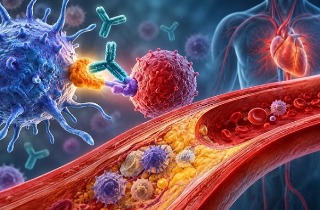
The researchers additionally describe how impaired recycling in microglia may increase inflammatory signaling, while dysfunctional T-cell maintenance could contribute to immune exhaustion.
New Treatment Possibilities and Important Limitations
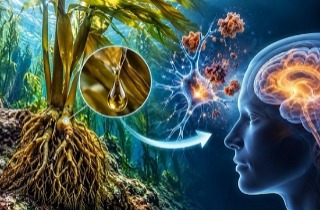
The analysis identifies several potential therapeutic targets, including mTORC1, AMPK, TFEB, and pathways controlling mitochondrial recycling.
The researchers highlight preliminary findings suggesting that low-dose rapamycin may improve fatigue and post-exertional malaise by influencing autophagy. However, larger controlled trials are needed before its effectiveness or safety can be established for these conditions.
Importantly, this publication is a mechanistic perspective, not a new clinical trial. It synthesizes existing evidence and proposes biological explanations rather than demonstrating that defective brain waste clearance causes either illness.
Conclusions
The findings suggest that impaired brain drainage and cellular recycling deserve closer investigation as potentially interconnected contributors to ME/CFS and Long COVID. Identifying affected patient subgroups and testing targeted interventions could eventually support more personalized treatments, although the proposed mechanisms require further clinical validation.
The study findings were published in the peer reviewed journal: International Journal of Molecular Sciences.
https://www.mdpi.com/1422-0067/27/20/9351
Read Also:
https://www.thailandmedical.news/articles/long-covid 



 Share
 Tweet
 Share