Nikhil Prasad Fact checked by:Thailand Medica News Team Nov 18, 2026 14 minutes ago
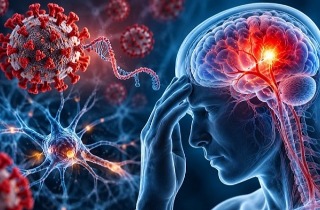
A major Chinese study involving more than 26,000 adults has uncovered a striking association between dietary tryptophan consumption and stroke risk. Researchers found that people consuming the highest amounts of this essential amino acid experienced substantially fewer strokes than those consuming the least.
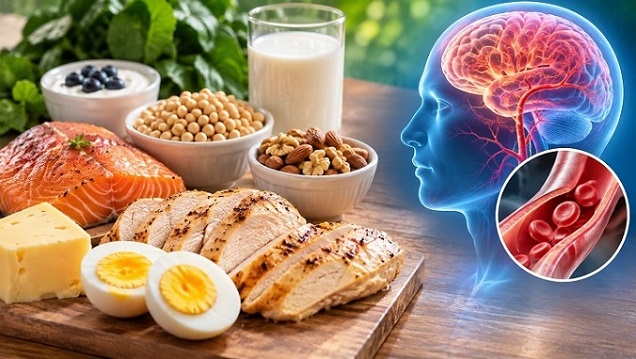 A large Chinese study links higher dietary tryptophan consumption with substantially lower risks of stroke, particularly
ischemic stroke.
Tryptophan, which the body cannot manufacture, must come from food. It is found in protein-rich foods, including eggs, dairy products, fish, poultry, soybeans, and nuts.
The findings suggest that this common dietary nutrient could have an important relationship with brain and blood vessel health.
Researchers Investigated More Than 26,000 Adults
The research was conducted by scientists affiliated with:
-The Fourth Affiliated Hospital of Soochow University, China.
-School of Public Health, Suzhou Medical College of Soochow University, China.
-Jiangsu Key Laboratory of Preventive and Translational Medicine, China.
-Suzhou Medical College of Soochow University, China.
The investigation combined two prospective Chinese studies involving 26,403 adults.
The China Health and Nutrition Survey included 10,885 participants, with a median follow-up of seven years. The second study, involving 15,518 rural residents, followed participants for a median of 5.5 years.
Researchers assessed dietary tryptophan consumption using food recalls and dietary questionnaires, then examined subsequent stroke diagnoses.
Stroke Risk Was Up to 51 Percent Lower
The most compelling findings emerged from the first cohort, where 109 strokes occurred during 56,592 person-years of observation.
Participants consuming the most tryptophan had a 51 percent lower adjusted stroke risk compared with those consuming the least.
Stroke incidence also declined progressively across intake groups, from 2.57 to 2.16 and finally 1.09 cases per 1,000 person-years.
Every standard-deviation increase in tryptophan consumption was associated with a 24 percent reduction in stroke risk.
These findings remained significant after accounting for age, sex, smoking, physical activity, body weight, hypertension, diabetes, and other potential influences.
Second Study Confirmed the Association
The larger rural cohort recorded 398 strokes during approximately 84,066 person-years.
Participants in the highest tryptophan intake group experienced a 37 percent lower risk of total stroke and a 41 percent lower risk of ischemic stroke, compared with those in the lowest group.
Ischemic strokes occur when blood flow to part of the brain becomes blocked.
Importantly, the association was not statistically significant for nonischemic strokes, which included bleeding-related events.
Additional analyses excluding strokes occurring during the first year
produced similar results.
The researchers also found that the relationship persisted after adjusting for overall protein consumption, suggesting that the association was not explained simply by eating more protein.
Why Might Tryptophan Protect the Brain?
This
Thailand Medical News report highlights several biological explanations proposed by the researchers.
Tryptophan participates in pathways producing serotonin, kynurenine compounds, and substances generated by intestinal bacteria.
Some of these metabolites influence inflammation, immune activity, oxidative stress, and communication between the gut and brain.
Researchers suggested that certain tryptophan-derived compounds might help regulate inflammatory signaling involved in vascular damage.
However, these mechanisms remain hypothetical in relation to the observed dietary findings.
Important Limitations and Conclusions
The observational research cannot establish that tryptophan directly prevents strokes. Dietary reporting inaccuracies, unmeasured lifestyle differences, and population-specific dietary patterns could influence the findings.
Nevertheless, the consistent associations across two independent populations provide encouraging evidence that dietary tryptophan deserves further investigation. Future studies must determine whether increasing consumption genuinely reduces stroke risk and identify the biological mechanisms responsible before specific preventive dietary recommendations can be established.
The study findings were published in the peer reviewed journal: Nutrients.
https://www.mdpi.com/2072-6643/18/22/3801
Read Also:
https://www.thailandmedical.news/news/covid-19-stroke-study-finds-striking-rise-in-key-brain-microrna
https://www.thailandmedical.news/news/covid-19-stroke-clots-reveal-surprising-buildup-of-hemoglobin-and-iron
Medical Disclaimer: All content published by Thailand Medical News is based on scientific research and is intended for informational and educational purposes only. It is not medical advice, diagnosis, or treatment. Readers must not attempt to use, apply, or experiment with any protocols, compounds, or therapies mentioned without first consulting a qualified and licensed medical doctor. Many findings discussed are experimental or preliminary, and only a licensed healthcare professional can determine what is safe and appropriate for an individual’s specific medical condition. 



 Share
 Tweet
 Share