Nikhil Prasad Fact checked by:Thailand Medical News Team Nov 04, 2026 40 minutes ago
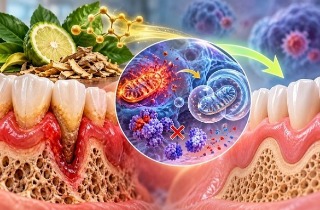
A naturally occurring compound called spermine could offer a promising new approach to treating osteoarthritis by protecting cartilage cells from premature aging and reducing the tissue destruction responsible for progressive joint damage.
 New research suggests spermine could protect aging cartilage cells, reduce inflammation, and slow osteoarthritis-related joint deterioration.
Researchers from Renmin Hospital of Wuhan University, China, discovered that spermine helps preserve cartilage, suppresses harmful inflammatory signaling, and reduces osteoarthritis-related deterioration in laboratory experiments and rats.
The findings suggest that restoring spermine levels could eventually help address the underlying biological processes driving osteoarthritis rather than simply relieving symptoms.
What is Spermine?
Spermine is a naturally occurring compound belonging to a group of substances called polyamines, which play important roles in cell growth, tissue repair, cellular metabolism, and protection against oxidative stress. It is produced naturally by the human body but can also be obtained through plant-based foods, including soybeans, peas, lentils, mushrooms, broccoli, cauliflower, and whole grains.
Spermine is also present in certain animal-derived foods, although its concentration varies considerably depending on the food source, maturity, and processing methods. Scientists are increasingly interested in spermine because of its potential anti-inflammatory and cellular protective properties, which may help slow age-related tissue deterioration, including cartilage damage associated with osteoarthritis.
Why Spermine Matters in Osteoarthritis
Osteoarthritis develops when protective cartilage gradually breaks down, causing joint stiffness, pain, and reduced mobility.
Cartilage contains specialized cells called chondrocytes, which maintain the tissue's structural components, particularly collagen and aggrecan. As these cells age, they become less effective at maintaining healthy cartilage and release substances that accelerate its destruction.
In this
Thailand Medical News report, researchers investigated whether spermine, a natural molecule involved in cellular maintenance and metabolism, could interrupt these damaging processes.
Spermine Reduces Cellular Aging and Cartilage Breakdown
Laboratory experiments revealed that spermine levels declined significantly in cartilage cells exposed to oxidative stress.
Supplementation with spermine at 20 micromolar reduced two important cellular aging markers, p16 and p21.
The treatment also suppressed three cartilage-degrading enzymes: MMP3, MMP13, and ADAMTS5. These enzymes contribute to the destruction of proteins essential for cartilage strength and flexibility.
Importantly, spermine increased collagen type II and aggrecan, indicating improved preservation of the cartilage's protective framework.
Researchers observed that concentrati
ons between 5 and 20 micromolar maintained cell viability, whereas concentrations above 40 micromolar reduced viability, highlighting the importance of appropriate dosing.
Blocking a Major Inflammatory Pathway
Further experiments identified suppression of the NF-κB signaling pathway as an important protective mechanism.
This pathway regulates inflammation and activates processes associated with cartilage destruction.
Spermine reduced activation of several signaling proteins, including IKKβ, IκBα, and p65. When researchers experimentally reactivated NF-κB signaling, spermine's inhibitory effects were reversed.
These findings strengthen evidence that controlling inflammatory signaling contributes to spermine's cartilage-protective activity.
A Key Enzyme Controls Spermine Production
Researchers also identified ornithine decarboxylase 1, or ODC1, as an important regulator of spermine production.
Analysis of human cartilage datasets involving 26 osteoarthritis samples and 23 controls revealed reduced ODC1 expression in diseased cartilage.
Silencing Odc1 in laboratory cells decreased spermine levels and increased cellular aging and cartilage-degrading enzymes.
Remarkably, supplementing these cells with spermine partially reversed the damaging changes, supporting a functional connection between ODC1 and cartilage protection.
Rat Experiments Show Reduced Joint Damage
In rats with surgically induced osteoarthritis, spermine injections reduced cartilage erosion and preserved proteoglycans, essential substances that help cartilage resist compression.
Treated animals also demonstrated lower cartilage damage scores and reduced p16 and p21 expression after eight weeks.
Conclusions and Future Implications
These findings identify spermine as a potential therapeutic candidate capable of addressing several mechanisms underlying osteoarthritis. However, human clinical trials are necessary to establish safety, effective dosing, and whether these protective effects translate into meaningful improvements for patients.
The study findings were published in the peer reviewed journal: International Journal of Molecular Sciences.
https://doi.org/10.3390/ijms27219859
Read Also:
https://www.thailandmedical.news/articles/arthritis
https://www.thailandmedical.news/articles/herbs-and-phytochemicals




 Share
 Tweet
 Share