Nikhil Prasad Fact checked by:Thailand Medical News Nov 27, 2026 15 minutes ago
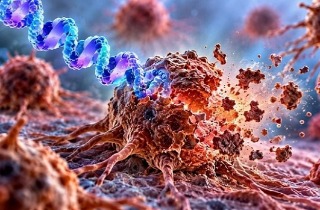
A promising experimental compound combining ruthenium, a metal used in cancer drug research, with a plant-derived molecule has demonstrated encouraging activity against aggressive breast cancer cells. Researchers discovered that the compound not only damages cancer cells but also activates an inflammatory form of cell death that could potentially help the immune system recognize tumors.
 A new ruthenium-flavonol compound shows promising laboratory activity against aggressive breast cancer cells by triggering inflammatory cell death and mitochondrial stress
The findings are particularly relevant to triple-negative breast cancer, an aggressive disease that lacks three common treatment targets and can develop resistance to conventional chemotherapy.
The research involved scientists from Tzu-Chi University, Taipei Medical University, Taipei Tzu Chi Hospital of the Buddhist Tzu Chi Medical Foundation, Academia Sinica, and Tamkang University, all in Taiwan.
A New Approach to Fighting Resistant Breast Cancer
The experimental treatment, identified as compound 2, combines ruthenium(II) with a flavonol derivative. Flavonols are naturally occurring plant compounds studied for their antioxidant and anticancer properties.
Researchers designed the combination to improve cancer-killing activity while potentially reducing damage to healthy cells.
As highlighted in this
Thailand Medical News report, the investigation examined both the compound's effectiveness and the biological mechanisms responsible for destroying malignant cells.
Stronger Cancer Cell Killing Than Individual Ingredients
Laboratory experiments tested compound 2 against human MDA-MB-231 and mouse 4T1 breast cancer cells.
After 24 hours, the compound produced half-maximal inhibitory concentrations (IC50) of 37.6 micromolar in human cancer cells and 26.1 micromolar in mouse cancer cells. Lower IC50 values indicate greater potency.
Importantly, the compound demonstrated approximately 2.9 times greater potency than a simple mixture of its individual ingredients in human cancer cells.
It also performed comparably to cisplatin, an established chemotherapy drug, which recorded an IC50 of 41.2 micromolar in the same human cancer model.
Healthy Cells Showed Greater Resistance
One encouraging finding involved differences between malignant and nonmalignant cells.
Normal human mammary epithelial cells had an IC50 of 72.6 micromolar, nearly twice the concentration required to inhibit human breast cancer cells.
Similarly, mouse embryonic fibroblasts showed an IC50 of 41.3 micromolar, compared with 26.1 micromolar in mouse breast cancer cells.
These findings suggest preferential activity against cancer cells, although the differences do not establish safety in patients.
Compound Triggers Inflammatory Cancer Cell Death
The most striking discovery involved pyropt
osis, an inflammatory form of programmed cell death.
Unlike apoptosis, which generally dismantles damaged cells without immediately rupturing their membranes, pyroptosis causes cellular swelling, membrane disruption, and the release of inflammatory signals.
Researchers found that pyroptosis accounted for 51.7% of the measured cell death response in human breast cancer cells and 40.1% in mouse cancer cells. Apoptosis contributed another 26.4% and 21.9%, respectively.
Additional testing identified increased activity of caspase enzymes associated with these pathways, supporting the proposed mechanisms.
Pyroptosis is particularly interesting because inflammatory signals may help immune cells recognize cancerous tissue. However, the study did not demonstrate improved immune responses in living organisms.
Mitochondrial Stress May Explain the Effects
Researchers also discovered substantial disturbances involving mitochondria, the cellular structures responsible for producing energy.
In one analysis, the proportion of cells showing elevated mitochondrial mass increased from 4.03% to 61.52%.
Meanwhile, cells producing mitochondrial superoxide, a potentially damaging reactive oxygen molecule, increased from 8.30% to 36.42%.
These changes suggest oxidative stress contributes to the compound's cancer-killing effects.
Chemical stability experiments also indicated that the compound retained approximately 84.7% of its measured spectral signal after 24 hours, supporting further investigation of its pharmaceutical properties.
Conclusions
The findings identify a promising experimental strategy against aggressive breast cancer through selective cellular toxicity, mitochondrial disruption, and pyroptosis-dominant cell death. However, animal studies, comprehensive toxicity assessments, and eventual clinical trials remain essential before therapeutic benefits can be established.
The study findings were published in the peer reviewed journal: International Journal of Molecular Sciences.
https://www.mdpi.com/1422-0067/27/22/10279
Read Also:
https://www.thailandmedical.news/articles/cancer
Medical Disclaimer: All content published by Thailand Medical News is based on scientific research and is intended for informational and educational purposes only. It is not medical advice, diagnosis, or treatment. Readers must not attempt to use, apply, or experiment with any protocols, compounds, or therapies mentioned without first consulting a qualified and licensed medical doctor. Many findings discussed are experimental or preliminary, and only a licensed healthcare professional can determine what is safe and appropriate for an individual’s specific medical condition




 Share
 Tweet
 Share