Nikhil Prasad Fact checked by:Thailand Medical News Team Nov 05, 2026 1 hour, 11 minutes ago
A major new study by researchers in Thailand has uncovered compelling evidence that everyday food and beverage choices can significantly influence the risk of nephrolithiasis, commonly known as kidney stones. The findings suggest that drinking sufficient fluids, consuming fruits and vegetables, and maintaining adequate dietary calcium could help protect against this painful condition.
 A major Thailand-led study links dietary choices, hydration, and processed food consumption to significant differences
in kidney stone risk.
The systematic review and meta-analysis examined 61 observational studies, identifying dietary habits associated with increased or reduced kidney stone risk.
The research involved scientists from the following institutions in Thailand:
-Navamindradhiraj University, Faculty of Medicine Vajira Hospital
-Kluaynamthai Hospital
-Chulalongkorn University, Faculty of Medicine
Kidney Stones Are a Growing Global Health Problem
Nephrolithiasis develops when minerals and other substances crystallize within the urinary tract. Kidney stones can cause severe pain, urinary obstruction, infections, and potentially kidney damage.
According to figures cited by the researchers, approximately 106 million new cases occurred worldwide in 2021, representing a 26.7% increase since 2000.
This
Thailand Medical News report examines how the findings could reshape dietary recommendations for preventing kidney stones.
Fruits, Vegetables, and Fiber Offer Protection
One important discovery was the protective association between plant-rich diets and kidney stone risk.
Compared with lower consumption, higher fruit intake was associated with a 15.1% reduction in risk, while vegetables provided a 9% reduction.
Dietary fiber showed an even stronger association, with higher consumption linked to a 17.5% lower risk.
Researchers suggested that plant-based foods may improve urinary chemistry through their potassium, citrate, and other beneficial nutritional components.
Interestingly, individual food categories such as nuts, grains, and legumes did not demonstrate statistically significant associations.
Drinking More Water Makes a Difference
Hydration emerged as another important factor. Across 11 studies, higher water consumption was associated with a 20.3% reduction in kidney stone risk.
Adequate fluid intake helps dilute substances responsible for crystal formation, potentially reducing the likelihood of stones developing.
However, the protective association was no longer statistically significant when researchers restricted their analysis to higher-quality prospective studies.
Coffee and Tea Show Unexpected Benefits
Coffee consumption was associated with a 15.5% reduction in kidney stone risk, while tea consumption showed a 7.5% reduction.
Orange juice was asso
ciated with a 9.7% reduction, although this finding came from only one study.
Conversely, sugar-sweetened beverages were associated with a striking 34% increase in risk.
Soda consumption was linked to a 6.7% increase, while grapefruit juice showed an 11.6% increase.
These findings highlight why beverage selection may matter alongside total fluid consumption.
Dairy and Calcium Challenge Common Assumptions
The researchers also identified evidence challenging the misconception that calcium-rich foods necessarily promote kidney stones.
Higher dietary calcium was associated with a 10% lower risk, while frequent dairy consumption was linked to a 7.4% reduction.
Dietary calcium can bind oxalate within the intestines, reducing its absorption and subsequent urinary excretion.
Potassium demonstrated particularly strong protection, with higher intake associated with a 28.5% reduction in risk.
Meat, Salt, and Processed Foods Increase Risk
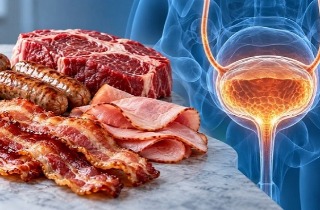
Higher meat consumption was associated with a 15.3% increase in kidney stone risk.
Excessive sodium intake was linked to a 12.9% increase, while higher sucrose consumption showed a 21.2% increase.
Ultra-processed foods demonstrated a particularly concerning association, with higher consumption linked to a 53.2% increase in risk.
Elevated net endogenous acid production, reflecting dietary acid load, was associated with an 89.1% increase.
Meanwhile, stronger adherence to the DASH dietary pattern was associated with a 23.9% reduction in kidney stone risk.
What the Findings Mean for Prevention
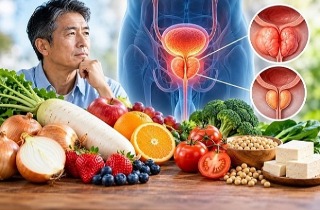
The findings support dietary strategies emphasizing hydration, fruits, vegetables, fiber, and adequate calcium while limiting excessive sodium, sugary beverages, meat, and ultra-processed foods.
However, because the review analyzed observational studies, these associations cannot establish direct causation. Differences between studies and potential confounding factors also require consideration.
Nevertheless, the findings reinforce the importance of overall dietary patterns rather than focusing exclusively on individual nutrients.
The study findings were published in the peer reviewed journal: Nutrients.
https://doi.org/10.3390/nu18213653
Read Also:
https://www.thailandmedical.news/articles/thailand-medical
https://www.thailandmedical.news/articles/diets-and-nutrition
https://www.thailandmedical.news/articles/nephrology-(kidneys) 



 Share
 Tweet
 Share