Nikhil Prasad Fact checked by:Thailand Medical News Team Nov 10, 2026 16 minutes ago
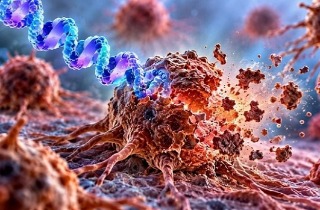
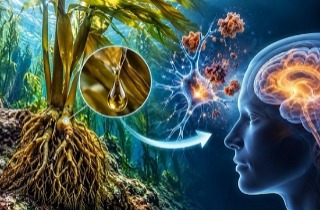
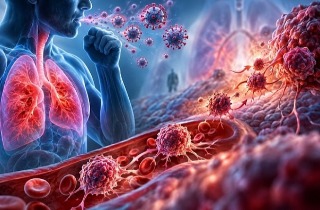
A new laboratory study has found that truffle extract can interfere with several cellular processes responsible for fibrosis, raising hopes that compounds derived from these prized fungi could eventually contribute to treatments for diseases involving excessive tissue scarring.
 New research reveals that truffle extract reduces fibrosis-associated proteins and alters cellular signaling involved
in tissue scarring
Fibrosis occurs when the body produces too much connective tissue, gradually damaging organs such as the lungs, liver, kidneys, and heart. Researchers are particularly interested in substances capable of interrupting the molecular signals that drive this process.
The research involved scientists from National Chung Hsing University, including its Institute of Molecular Biology, Department of Life Sciences, iEGG and Animal Biotechnology Center, Rong Hsing Research Center for Translational Medicine, and Doctor Program in Biotechnology Industrial Management and Innovation, Taiwan, alongside Lancaster University's Division of Biomedical and Life Sciences, United Kingdom.
Truffle Extract Reduces Key Fibrosis Markers
The researchers investigated a water-based truffle extract using HFL-1 human lung fibroblast cells exposed to transforming growth factor-beta 1 (TGF-β1), a protein that promotes fibrosis.
At a concentration of 0.25 micrograms per milliliter, the extract reduced two important fibrosis-associated proteins: alpha-smooth muscle actin (α-SMA) and fibronectin.
These proteins are associated with fibroblast activation and the accumulation of extracellular material responsible for tissue stiffening and scarring.
Microscopic examinations also showed that treated cells retained a less-spread appearance compared with cells exposed to TGF-β1 alone.
Blocking Signals That Promote Tissue Scarring
One particularly important discovery involved the Smad signaling pathway, which helps transmit fibrosis-promoting instructions into the cell nucleus.
TGF-β1 increased Smad2 phosphorylation and encouraged Smad2/3 proteins to associate with Smad4. These proteins subsequently accumulated inside cell nuclei, where they influence fibrosis-related gene activity.
Truffle extract reduced Smad2 phosphorylation, weakened Smad2/3-Smad4 association, and significantly decreased their nuclear accumulation.
Interestingly, the extract also increased MEK1/2 phosphorylation while reducing Ras expression and ERK1/2 phosphorylation. This unusual combination suggests complex changes in cellular signaling rather than straightforward inhibition of one pathway.
Additional gene-silencing experiments involving TGF-β1, MEK1/2, and ERK1/2 reinforced the involvement of these signaling networks without establishing a definitive causal mechanism.
Antioxidant Activity Offers Another Clue
As highlighted in this
Thailand Medical News
ww.thailandmedical.news/"> report, the researchers also discovered that truffle extract reduced intracellular oxidation-related activity triggered by TGF-β1.
The response resembled that observed with N-acetyl-L-cysteine, an antioxidant used for comparison.
Chemical profiling identified 231 positive-ion and 143 negative-ion features, including tentative matches involving phenolic compounds, flavonoids, organic acids, and other potentially bioactive substances. However, individual compounds were not definitively confirmed.
What the Findings Mean
The findings suggest that truffle extract influences multiple interconnected processes involved in fibrosis, including Smad signaling, MAPK regulation, and cellular oxidation. Nevertheless, these results come exclusively from laboratory experiments, not human clinical trials. Further animal studies, chemical identification, and safety investigations are essential before any therapeutic applications can be considered.
The study findings were published in the peer reviewed journal: International Journal of Molecular Sciences.
https://www.mdpi.com/1422-0067/27/21/10030
Read Also:
https://www.thailandmedical.news/articles/herbs-and-phytochemicals 



 Share
 Tweet
 Share