Nikhil Prasad Fact checked by:Thailand Medical News Team Nov 23, 2026 12 minutes ago
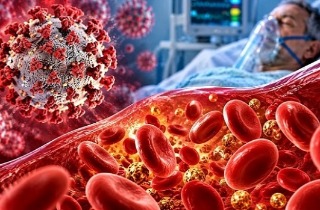
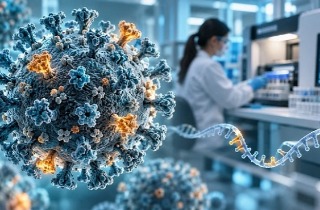
A new German study has uncovered evidence suggesting that SARS-CoV-2 infection could trigger aplastic anemia, a rare and potentially life-threatening blood disorder, particularly in people carrying certain genetic mutations that make their bone marrow vulnerable to immune attacks.
 German researchers uncover evidence linking previous SARS-CoV-2 infections, genetic mutations, and abnormal immune
responses to potentially life-threatening aplastic anemia.
The findings raise questions about how even previously unrecognized COVID-19 infections might contribute to serious blood disorders.
Understanding the Dangerous Blood Disorder
Aplastic anemia develops when the bone marrow fails to produce sufficient red blood cells, white blood cells, and platelets. Patients can experience severe fatigue, recurrent infections, uncontrolled bleeding, and potentially fatal complications.
The condition frequently involves immune cells mistakenly attacking blood-forming stem cells. Although certain viral infections are recognized triggers, the contribution of SARS-CoV-2 remains uncertain.
Researchers from the following German institutions conducted the investigation:
-Department of Internal Medicine II, Hematology, Oncology, Clinical Immunology and Rheumatology, University Hospital Tübingen.
-Institute for Clinical and Experimental Transfusion Medicine, University Hospital Tübingen.
-Centre for Clinical Transfusion Medicine, Tübingen.
-Institute of Pathology and Neuropathology, University Hospital Tübingen.
The research examined 65 patients diagnosed with aplastic anemia between 2009 and 2025.
Before the pandemic, the hospital recorded a median of three cases annually, compared with 4.5 cases from 2020 onward. However, this increase was not statistically significant.
More strikingly, the median age at diagnosis increased from 43 to 64 years, representing a statistically significant difference.
Researchers subsequently performed detailed antibody, genetic, and immune-system analyses on 18 patients diagnosed between 2020 and 2023.
Hidden COVID-19 Infections Raise Concerns
One particularly interesting discovery involved previously undetected coronavirus infections.
Only two patients reported confirmed COVID-19 infections before developing aplastic anemia. Nevertheless, 12 of the 18 patients, approximately 67%, carried antibodies against the SARS-CoV-2 nucleocapsid protein, indicating previous natural infection.
Among these 12 patients, antibody patterns suggested that at least 10 developed aplastic anemia around the estimated period of their initial infection.
These findings suggest that infections without recognized symptoms could potentially precede serious bone marrow complications.
Interestingly, all six patients without detectable infection-related antibodies had very severe aplastic anemia, compared with four of the 12 antibody-positive patients.
>
Genetic Mutations and Inflammation Provide Important Clues
Genetic testing identified mutations associated with clonal hematopoiesis in seven patients. This condition occurs when blood-forming stem cells acquire mutations and produce genetically distinct populations of blood cells.
Three patients displayed particularly pronounced inflammatory abnormalities alongside mutations involving ASXL1, DNMT3A, or TET2.
Their bone marrow also contained increased numbers of T lymphocytes, suggesting substantial immune activity.
As highlighted in this
Thailand Medical News report, cytokine testing revealed exceptionally elevated inflammatory signaling molecules.
Among 14 tested patients, tumor necrosis factor beta exceeded the reference limit more than 40-fold in 11 individuals. Interleukin-13 was elevated in every patient, exceeding 40-fold in six.
Three patients additionally showed increased interleukin-1 alpha, interleukin-6, and interleukin-10, indicating pronounced immune activation.
One Patient Relapsed Following Reinfection
An especially concerning case involved a patient with preexisting abnormal blood cell production who developed aplastic anemia following COVID-19.
Immunosuppressive treatment initially restored blood cell production. However, another SARS-CoV-2 infection was followed by disease recurrence, severe neutropenia, and renewed transfusion dependence. The patient ultimately required a stem cell transplant.
Conclusions
The findings suggest that SARS-CoV-2 infection may contribute to aplastic anemia in genetically susceptible individuals through inflammatory and immune-mediated mechanisms. However, this small, single-center observational study cannot establish causation, making larger investigations essential before definitive conclusions can be reached.
The study findings were published in the peer reviewed journal: Frontiers in Immunology.
https://www.frontiersin.org/journals/immunology/articles/10.3389/fimmu.2026.1991581/full
Read Also:
https://www.thailandmedical.news/articles/coronavirus
https://www.thailandmedical.news/articles/long-covid 



 Share
 Tweet
 Share