Nikhil Prasad Fact checked by:Thailand Medical News Team Nov 06, 2026 54 minutes ago
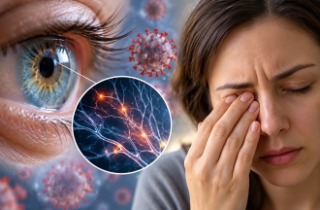
Growing scientific evidence suggests that COVID-19 may increase the risk of glaucoma, a potentially blinding eye disease characterized by progressive optic nerve damage. Although SARS-CoV-2 primarily targets the respiratory system, researchers have documented inflammatory, vascular, and treatment-related complications that can threaten vision. Several clinical reports have identified glaucoma developing during or after COVID-19 infections, raising concerns about previously overlooked ophthalmic consequences.
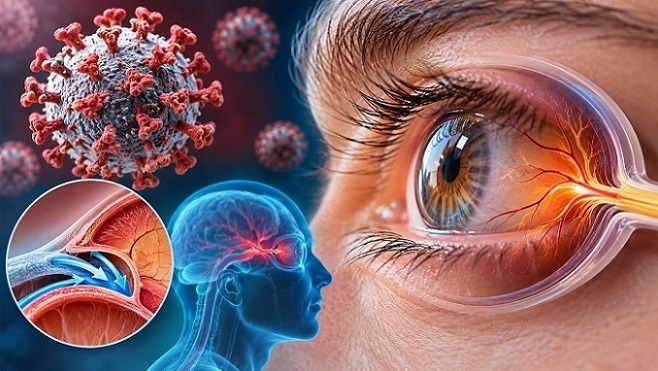 Research highlights inflammatory, vascular, and treatment-related pathways through which COVID-19 may contribute
to glaucoma and irreversible vision loss.
Viral Inflammation Can Disrupt Eye Pressure Regulation
One important mechanism involves inflammation within ocular tissues. SARS-CoV-2 interacts with angiotensin-converting enzyme 2 (ACE2) receptors, which are also present in parts of the eye.
Researchers investigating COVID-19-associated uveitis have documented cases involving elevated intraocular pressure and secondary glaucoma. Severe inflammation can damage the trabecular meshwork, the drainage structure responsible for regulating fluid pressure inside the eye.
Some patients have developed acute iris depigmentation, releasing pigment particles that obstruct aqueous humor drainage. This obstruction can cause dangerous pressure elevations capable of permanently damaging the optic nerve.
However, direct viral invasion of ocular tissues has not been established as the cause in every reported case.
COVID-19-Related Vascular Damage Threatens Vision
Another concerning pathway involves the vascular abnormalities associated with COVID-19.
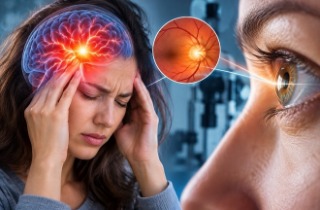
The infection can trigger endothelial dysfunction, excessive clotting, and impaired circulation. When retinal blood vessels become obstructed, oxygen deprivation may stimulate abnormal blood vessel growth.
These newly formed vessels can invade the eye's drainage angle, potentially causing neovascular glaucoma, an aggressive condition frequently associated with severe vision loss.
Systemic hypoxia during serious COVID-19 illness may additionally compromise optic nerve circulation, increasing vulnerability to injury.
As highlighted in this
Thailand Medical News report, these findings suggest several plausible pathways connecting infection-related vascular injury with glaucoma, although their population-level contribution remains uncertain.
Pandemic Studies Identify Acute Glaucoma Episodes
Clinical observations published during the pandemic also described increases in acute angle-closure glaucoma presentations in certain populations.
Some reports identified older women among affected patients, including unusual bilateral presentations.
Researchers suggested that psychological stress, illness-related physiological changes, and pupil dilation could contribute to sudden drainage-angle closure in anatomically susceptible individuals.
&a
mp;nbsp;
However, pandemic-related changes in healthcare access and treatment delays complicate interpretations of these observations.
Corticosteroid Treatments Present Additional Risks
Corticosteroids, including dexamethasone, have been essential treatments for selected patients hospitalized with severe COVID-19.
Nevertheless, prolonged steroid exposure can increase intraocular pressure by reducing aqueous humor outflow through the trabecular meshwork.
Susceptible patients may consequently develop steroid-induced ocular hypertension or glaucoma, particularly when elevated pressure remains undetected.
Greater Awareness Could Prevent Irreversible Blindness
Ultimately, the clinical consensus is clear: COVID-19 elevates glaucoma risk through rapid structural angle closure, long-term microvascular degradation, and treatment side effects. For individuals recovering from severe infections, routine ophthalmic screenings are essential to catch and manage these silent pressure elevations before irreversible blindness occurs.
The accumulating clinical evidence underscores the importance of recognizing glaucoma-related complications following COVID-19, particularly among patients experiencing severe inflammation, vascular abnormalities, or prolonged corticosteroid exposure.
Targeted ophthalmic evaluation, timely pressure monitoring, and prompt investigation of visual disturbances could help identify treatable complications before permanent optic nerve damage develops.
References:
https://onlinelibrary.wiley.com/doi/full/10.1155/2023/8889754
https://iovs.arvojournals.org/article.aspx?articleid=2785974
https://pmc.ncbi.nlm.nih.gov/articles/PMC11182257/
https://glaucomatoday.com/articles/2024-mar-apr/glaucoma-or-long-covid
https://pubmed.ncbi.nlm.nih.gov/40790903/
https://www.aao.org/education/headline/week-in-review-glaucoma-covid-19-infection-poor-vi
https://assets-eu.researchsquare.com/files/rs-2194270/v1/8ffef5c0-3176-4079-be24-78513eea7858.pdf
https://jbionicmemory.com/index.php/jbm/article/view/42
Read Also:
https://www.thailandmedical.news/news/breaking-covid-19-news-study-claims-that-omicron-infections-can-lead-to-acute-primary-angle-closure-and-also-primary-angle-closure-glaucoma
https://www.thailandmedical.news/news/acute-angle-closure-cases-rise-after-covid-19-in-china
https://www.thailandmedical.news/articles/glaucoma-news 



 Share
 Tweet
 Share