German Study Finds That COVID-19 Causes Human DNA Changes That Last Months After Mild Infection
Nikhil Prasad Fact checked by:Thailand Medical News Team Jul 18, 2026 2 months, 4 weeks, 1 day, 10 hours, 59 minutes ago
Medical News:
Hidden Genetic Changes May Linger Even After Mild COVID
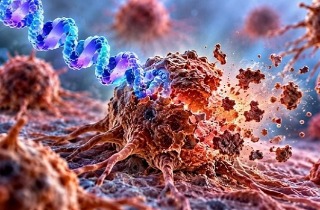
Even people who recover quickly from a mild COVID-19 infection may continue carrying subtle biological changes for months afterward, according to a major new European study. Researchers discovered that SARS-CoV-2 can leave lasting marks on DNA activity for up to four months, affecting genes involved in the body's antiviral defenses and immune response.
 Even mild COVID-19 can leave lasting DNA activity changes that keep important immune genes altered for months after recovery
The research was led by scientists from Helmholtz Munich, the German Research Center for Environmental Health, together with researchers from the Ludwig Maximilian University of Munich, the Luxembourg Institute of Health, the University of Luxembourg, the University Medical Center Groningen, the University of Groningen, the University of Regensburg, the University of Leipzig, the University of Erlangen-Nuremberg, and numerous institutions participating in the ORCHESTRA Consortium across Europe.
Looking Beyond the Acute Illness
Most previous research examining DNA changes after COVID-19 focused on hospitalized patients with severe disease. In contrast, this study investigated people who experienced mostly mild infections and were living in the community.
The scientists analyzed blood samples from 675 participants enrolled in four large population-based cohorts—NAKO in Germany, Lifelines in the Netherlands, CON-VINCE in Luxembourg, and TiKoCo in Germany. Blood samples were collected within four months after infection, before participants had received COVID-19 vaccination, allowing researchers to examine the direct effects of the virus.
Instead of looking for mutations, the team studied DNA methylation, an epigenetic process that acts like a series of molecular switches controlling whether genes become more or less active without changing the DNA sequence itself.
Persistent Immune Gene Changes Detected
Researchers identified 16 individual DNA methylation sites and 21 larger DNA regions that remained altered after infection. Remarkably, nearly 90 percent of these changes showed reduced methylation, suggesting that many immune-related genes remained in a more active state even months after recovery.
Several of the most strongly affected genes—including IFI44L, MX1, DDX60, PARP9, GNA12, and RABGAP1L—are already known to play essential roles in fighting viral infections. Many of these same genes have previously been linked to severe COVID-19 during the acute phase, showing that even mild illness can leave behind similar molecular fingerprints.
Further analyses demonstrated that these DNA changes were closely associated with altered gene activity. In many cases, lower DNA methylation corresponded with increased production of antiviral proteins, indicating that parts of the immune system may remain activated long after the virus has disappeared.
Broader Links to Inflammation
Interestingly, the altered genes were not limited to antiviral defense. Many also p
articipate in biological pathways associated with chronic inflammation, autoimmune disorders, metabolic disease and neurological conditions.
This
Medical News report highlights an important finding: the researchers observed that the persistent DNA changes overlapped with molecular pathways previously implicated in diseases such as systemic lupus erythematosus, rheumatoid arthritis and Sjögren's syndrome. While the study does not suggest that COVID-19 causes these illnesses, it indicates that SARS-CoV-2 may influence many of the same immune-regulating pathways.
The investigators also found that these epigenetic changes were not explained by major differences in blood cell populations between infected individuals and healthy controls, strengthening the evidence that the virus itself contributes to the lasting molecular alterations.
Why These Findings Matter
Although most participants recovered from relatively mild COVID-19, the study suggests that the body may continue adjusting its immune regulation for months afterward. These lingering epigenetic changes could help explain why some individuals continue experiencing persistent symptoms following infection, although this study did not specifically investigate long COVID patients.
The researchers believe future studies should examine whether these DNA changes persist beyond four months, whether they differ in people suffering from long COVID, and how they influence other biological systems including gene expression, proteins and metabolism.
Conclusion
This large multinational study provides compelling evidence that even mild SARS-CoV-2 infections can leave measurable epigenetic changes long after recovery. While these alterations appear moderate rather than dramatic, they consistently affect important antiviral and immune-regulating genes, suggesting the body continues responding well beyond the initial illness. Understanding these lasting molecular signatures may eventually help explain prolonged symptoms, identify individuals at risk for post-COVID complications, and guide the development of future treatments targeting the biological consequences of COVID-19 rather than the virus alone.
The study findings were published in the peer reviewed journal: Clinical Epigenetics.
https://link.springer.com/article/10.1186/s13148-026-02166-1
For the latest COVID-19 news, keep on logging to Thailand
Medical News.
Read Also:
https://www.thailandmedical.news/articles/coronavirus
https://www.thailandmedical.news/articles/long-covid




 Share
Share
 Tweet
Tweet
 Share
Share