Thailand Medical Study Uncovers a Promising Strategy to Reduce Kidney Damage in Aging Patients Receiving Cancer Treatment
Nikhil Prasad Fact checked by:Thailand Medical News Team Jul 30, 2026 1 month, 2 weeks, 3 hours, 3 minutes ago
Thailand Medical Researchers Find Mitochondrial Blocker May Shield Kidneys During Doxorubicin Chemotherapy
A new study has revealed that blocking excessive mitochondrial fission—a process that causes the tiny energy-producing structures inside cells to break apart—may significantly reduce kidney damage caused by the widely used chemotherapy drug doxorubicin. The findings offer fresh hope for protecting older cancer patients, particularly women undergoing treatment for breast cancer, from one of chemotherapy’s most serious side effects.
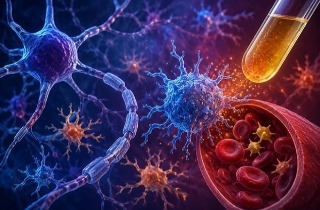
 Thailand Medical Study shows that protecting mitochondria may significantly reduce chemotherapy-related kidney damage in aging patients.
The research was conducted by
Thailand Medical scientists from the University of Phayao, the Faculty of Medicine at Chiang Mai University, including its Cardiac Electrophysiology Research and Training Center, Cardiac Electrophysiology Unit, and Integrative Renal Research Unit, as well as the School of Medicine at Mae Fah Luang University in Thailand.
Why kidney damage is a major concern
Doxorubicin is one of the most effective drugs used against breast cancer and several other cancers. Unfortunately, while it destroys cancer cells, it can also harm healthy organs. The kidneys are particularly vulnerable because they help remove the drug from the body. Older adults face an even greater risk because aging kidneys already have reduced function and are more susceptible to injury.
To investigate this problem, researchers created an accelerated aging model in female rats using D-galactose before exposing them to doxorubicin. They then tested whether a compound known as Mdivi-1, which blocks excessive mitochondrial fission, could prevent or even reverse kidney damage.
Damaged mitochondria were at the heart of the problem
The researchers found that doxorubicin caused severe kidney dysfunction. Blood tests showed significant increases in blood urea nitrogen, creatinine, and kidney injury molecule-1 (KIM-1), all of which are well-established indicators of kidney damage.
Closer examination of kidney tissue painted an even more alarming picture. The kidneys developed extensive tubular injury, inflammation, tissue scarring, tubular blockage, cell death, and collagen buildup associated with fibrosis.
At the cellular level, the drug severely disrupted mitochondria, the tiny structures responsible for generating energy inside cells. Instead of remaining healthy and interconnected, mitochondria became swollen, fragmented, structurally damaged, and less efficient at producing energy. They also generated excessive amounts of harmful reactive oxygen species, creating intense oxidative stress that further damaged kidney cells.
Mdivi-1 dramatically reduced kidney injury
This Medical News report highlights one of the study's most important findings: Mdivi-1 protected the kidneys whether it was given alongside
chemotherapy or after kidney injury had already begun.
Animals treated with Mdivi-1 showed substantial improvements in kidney function tests. Levels of oxidative stress markers fell, while protective antioxidants recovered. At the same time, inflammatory molecules including TNF-alpha and IL-1 beta were significantly reduced.
Microscopic analysis also showed healthier kidney tissue with far less tubular destruction and fibrosis. Electron microscope images revealed that mitochondria regained a more normal shape, contained healthier internal structures known as cristae, and showed fewer signs of fragmentation.
Restoring the balance inside cells
One of the study's most significant discoveries involved proteins that regulate mitochondrial behavior.
Doxorubicin increased activity of DRP1, a protein that promotes mitochondrial splitting, while reducing protective fusion proteins including Mfn1, Mfn2, and OPA1. This imbalance pushed mitochondria toward excessive fragmentation.
Mdivi-1 partially restored this balance by suppressing excessive fission while preserving mitochondrial fusion. As a result, mitochondria remained healthier and more capable of producing energy, reducing the cascade of cellular damage.
The treatment also lowered levels of PINK1, a marker linked to damaged mitochondria, and reduced activation of Bax and cleaved caspase-3, two proteins that drive programmed cell death. At the same time, it restored levels of the protective protein Bcl-2, suggesting that many kidney cells were spared from apoptosis.
Hope for safer chemotherapy in older patients
The researchers believe these findings identify mitochondrial fission as a promising therapeutic target for preventing chemotherapy-related kidney injury, especially in elderly patients whose kidneys are already under stress from aging. Importantly, the similar benefits observed with both preventive and delayed treatment suggest that future therapies might remain useful even after kidney injury has already started, making the approach more practical for real-world clinical care.
Conclusion
Although these findings come from an animal study and human clinical trials will be needed before Mdivi-1 or similar drugs can be recommended for patients, the research provides compelling evidence that protecting mitochondrial health may substantially reduce chemotherapy-induced kidney damage. By preserving mitochondrial structure, reducing oxidative stress, calming inflammation, and preventing unnecessary cell death, this approach could eventually improve both the safety and effectiveness of cancer treatment for older adults, particularly women receiving doxorubicin-based chemotherapy.
The study findings were published in the peer reviewed journal: Biomolecules.
https://www.mdpi.com/2218-273X/16/8/1112
For the latest Thai medical studies or research, keep on logging to
Thailand Medical News.
Read Also:
https://www.thailandmedical.news/articles/thailand-medical
https://www.thailandmedical.news/articles/cancer
https://www.thailandmedical.news/articles/nephrology-(kidneys)




 Share
Share
 Tweet
Tweet
 Share
Share