Nikhil Prasad Fact checked by:Thailand Medical News Team Jul 19, 2024 2 years, 2 months, 3 weeks, 4 days, 35 minutes ago
Cancer Updates: In a groundbreaking study, scientists from the University of Padua-Italy, the University of Maryland-USA, and the University of Ulm-Germany have demonstrated a promising new approach to cancer treatment using oncolytic herpes simplex virus type 1 (HSV-1). This
Cancer Updates news report explores their innovative strategy, which could revolutionize the way we treat aggressive cancers like triple-negative breast cancer (TNBC).
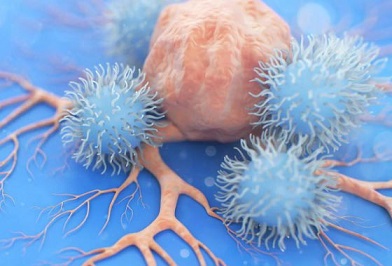 Oncolytic viruses target triple-negative breast cancer
Oncolytic Viruses: A New Weapon Against Cancer
Oncolytic viruses target triple-negative breast cancer
Oncolytic Viruses: A New Weapon Against Cancer
Oncolytic viruses (OVs) are engineered viruses that selectively infect and kill cancer cells while sparing healthy tissues. These viruses not only destroy cancer cells directly but also stimulate the immune system to attack tumors. However, due to the complexity and heterogeneity of cancer, single-therapy approaches often fall short. This new study suggests that using a combination of OVs, each equipped with different therapeutic genes, could offer a more effective treatment.
The Study's Approach: Multiple Genes, One Goal
Led by Dr Adriana Vitiello and Dr Alberto Reale from the University of Padua, the research team developed multiple HSV-1-based OVs, each carrying a unique therapeutic gene. They focused on three genes: enhanced green fluorescent protein (EGFP) for tracking, firefly luciferase (Fluc) for imaging, and human interleukin 12 (IL12) for boosting the immune response. By infecting TNBC cells with these viruses, they aimed to achieve simultaneous expression of these genes, enhancing the overall therapeutic effect.
Key Findings: Promising Results in Lab Experiments
The researchers found that:
-Simultaneous Gene Expression: TNBC cells infected with a combination of OVs expressed all three genes effectively. This suggests that a mix of OVs could be tailored to target specific cancer characteristics.
-Controlled Expression Levels: The level of gene expression depended on the number of viral particles used. By adjusting the viral dose, scientists can fine-tune the treatment to the needs of individual patients.
-Effective Cancer Cell Killing: All the engineered viruses were equally effective in killing TNBC cells, whether used alone or in combination. This ensures that the combinatorial approach does not compromise the viruses' ability to destroy cancer cells.
-Stable Viral Replication: The recombinant viruses replicated efficiently in TNBC cells, maintaining their effectiveness over time.
Implications for Cancer Therapy: A Personalized Approach
This study's findings open the door to personalized cancer therapy. By selecting and combining different OVs from a pre-established library, doctors could design customized treatments based on the specific characteristics of a patient's tumor. This flexibilit
y is crucial for tackling the diverse and adaptive nature of cancer.
Future Directions: Towards Clinical Application
The research team emphasizes the need for further studies. They plan to test their approach in more complex models, including 3D cultures and animal studies. These steps are essential to confirm the safety and effectiveness of the treatment before moving to clinical trials.
Overcoming Challenges: Ensuring Consistent Results
One challenge the researchers identified is ensuring consistent expression of therapeutic genes. They observed that gene expression levels were lower in mixed infections compared to single infections. This issue highlights the need for careful optimization of viral doses and combinations to achieve the best therapeutic outcomes.
Conclusion: A Promising Step Forward
This study represents a significant step forward in the fight against cancer. By demonstrating the feasibility of using a combination of OVs to target TNBC, the researchers have paved the way for more effective and personalized cancer treatments.
The study findings were published in the peer-reviewed journal: Biomedicines.
https://www.mdpi.com/2227-9059/12/7/1577
For the latest
Cancer Updates, keep on logging to Thailand Medical News.
Read Also:
https://www.thailandmedical.news/news/intermittent-fasting-a-new-hope-for-fighting-obesity-related-breast-cancer
https://www.thailandmedical.news/news/breaking-news-a-promising-new-drug-to-fight-breast-cancer-spread