Harvard Researchers Discover That Bile Acids Help Regulate Gut Immunity And Inflammation
Source: Thailand Medical News Jan 04, 2020 6 years, 8 months, 4 weeks, 1 day, 19 hours, 10 minutes ago
The research findings of the two studies by Harvard Medical School, both conducted in animal models, show that
bile acids promote the differentiation and activity of several types of T cells involved in regulating
inflammation and linked to intestinal
inflammatory conditions. They also reveal that
gut microbes are critical for converting
bile acids into
immune-signaling molecules. The research findings were both published in the Nature Journal.
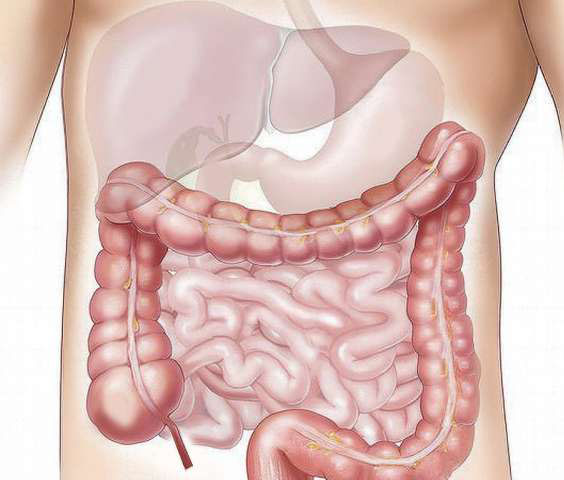
The study suggests possible therapeutic pathways for modulating intestinal inflammation, a process that underlies the development of
autoimmune conditions such as
inflammatory bowel disease, commonly referred to as
IBD.
In the first study, led by immunologist Dr Jun Huh and published Nov. 27 in
Nature, it was revealed that
bile acids exert their
immune-modulating effect by interacting with
immune cells in the
gut. Once
bile acids leave the gallbladder and complete their fat-dissolving duties, they make their way down the digestive tract where they are modified into
immune-regulatory molecules by
gut bacteria. The modified
bile acids then activate two class of
immune cells: regulatory T cells (Tregs) and effector helper T cells, specifically Th17, each responsible for modulating
immune response by either curbing or promoting
inflammation.
In normal conditions, the levels of proinflammatory Th17 cells and anti-
inflammatory Treg cells balance each other, maintaining a degree of protection against pathogens without causing too much tissue-damaging
inflammation. These cells play a key role in the context of intestinal infection. Th17 cells ignite
inflammation to quell the infection, while Tregs curb
inflammation once the threat has subsided. Unrestrained, the activity of Th17 can also lead to aberrant
inflammation that promotes
autoimmune disease and damages the intestine.
In experiments, the researchers used undifferentiated, or naïve, mouse T cells, and exposed them to various
bile acid metabolites one at a time. The experiments showed that two separate
bile acid molecules exerted different effects on T cells, one molecule promoted Treg differentiation, while another molecule inhibited Th17 cell differentiation. When the researchers administered each molecule to mice, they observed the animals' Th17 and Treg cells fell and rose, accordingly.Additionally, the researchers found that the two
bile acid byproducts are also present in human stool, including stools of people with
IBD, a finding that suggest the same mechanism is at play in humans.
Dr Huh, assistant Professor of Immunology in the Blavatnik Institute at HMS told
Thailand Medical News,"Our findings identify an important regulatory mechanism in
gut immunity, showing that microbes in our intestines can modify
bile acids and turn them into regulators of
inflammation."
The results can inform the development of small-molecule therapies that target Treg and Th17 cells as a way to control
inflammation and treat
autoimmune diseases affecting the
gut.
The second study, published Dec. 25 in
Nature and led by Dr Dennis Kasper, focused on a subset of
inflammation-taming regulatory T cells, or Tregs, that arise in the colon as a result of exposure to
gut microbes. In contrast, most other
immune cells originate in the thymus.
Past studies showed that low levels of colonic regulatory T cells (colonic Tregs) have been linked to the development of autoimmune conditions such as
IBD and
Crohn's disease.
Dr Kasper's experiments demonstrate that
gut microbes and diet work in concert to modify
bile acids, which in turn affect the levels of colonic Tregs in mice. They also show that low levels of Treg cells induced by lack of
bile acids or deficiency in
bile acid sensors makes animals prone to developing
inflammatory colitis, a condition that mimics human
IBD.
To confrim the hypothesis that
gut bacteria convert food-derived
bile acids produced in response to food into
immune signaling molecules, the researchers silenced
bile acid-converting genes in various gut microbes and then put both the modified and nonmodified microbes in mice specially bred to have germ-free
guts. Animals whose
guts were populated by microbes without
bile acid-converting genes had notably lower levels of Treg cells. The researchers then fed animals either nutrient-rich meals or minimal food.
Typically, animals with normal microbe populations in their
guts that were receiving minimal food had lower levels of colonic Tregs and lower
bile acid levels than mice eating rich food. Yet animals with germ-free
guts receiving rich food also had low levels of Treg cells, a finding which shows that both
gut microbes and food-derived
bile acids are required to modulate
immune cell levels.
To assess whether
bile acids are directly involved in
immune cell regulation, the researchers then mixed various
bile acid molecules with the drinking water of animals that had low Treg cell levels and minimal diets. Several weeks later, these animals had an increase in the levels of
inflammation-curbing Treg cells.
Finally, the researchers gave three groups of mice a compound that induces
colitis. One group was fed a minimal diet, another group received nutrient-rich meals and a third group received minimal food and drank water supplemented with
bile acid molecules. As expected, only mice fed minimal diets not supplemented by
bile acid molecules developed
colitis. The experiment confirmed that
bile acids play a critical role in Treg regulation, intestinal
inflammation and
colitis risk.
Dr Kasper, who is Professor of Immunology in the Blavatnik Institute at HMS and the William Ellery Channing Professor of Medicine at HMS and Brigham and Women's Hospital told
Thailand Medical News, "Our results demonstrate an elegant three-way interaction between
gut microbes,
bile acids and the
immune system. Importantly, our work suggests it is plausible to think of harnessing certain
gut bacteria as a way to modulate disease risk."
References :
Saiyu Hang et al. Bile acid metabolites control TH17 and Treg cell differentiation, Nature (2019). DOI: 10.1038/s41586-019-1785-z
Xinyang Song et al. Microbial bile acid metabolites modulate gut RORγ+ regulatory T cell homeostasis, Nature (2019). DOI: 10.1038/s41586-019-1865-0