Thailand Medical Study Finds That Oxyresveratrol from Mulberries Can Inhibit Lung Cancer Cells
Nikhil Prasad Fact checked by:Thailand Medical News Team Jul 21, 2026 1 month, 3 weeks, 2 days, 8 hours, 35 minutes ago
Thailand Medical: Natural Plant Compound Weakens Lung Cancer Cells by Blocking a Key Survival Pathway
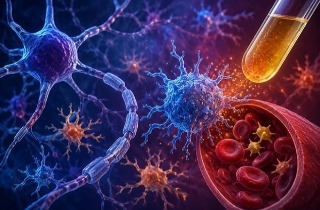
Researchers from the Department of Pharmacology, Faculty of Medicine, Chiang Mai University, the Lanna Rice Research Center, Chiang Mai University, and the PhD Degree Program in Pharmacology, Department of Pharmacology, Faculty of Medicine, Chiang Mai University, Thailand, have discovered that oxyresveratrol, a natural compound found in mulberries and several other plants, may significantly weaken non-small cell lung cancer (NSCLC) cells by shutting down an important survival mechanism while simultaneously triggering the cells to self-destruct. The findings offer fresh insight into how naturally occurring compounds could one day complement future lung cancer treatments, particularly for tumors that retain normal epidermal growth factor receptor (EGFR) activity.
 Researchers discover that oxyresveratrol from mulberries weakens lung cancer cells by shutting down a key
survival pathway and triggering programmed cell death
Why This Discovery Matters
Lung cancer remains the leading cause of cancer-related deaths worldwide, with non-small cell lung cancer accounting for nearly 85 percent of all cases. Although targeted therapies have transformed treatment for some patients, many tumors eventually become resistant to existing drugs. Scientists are therefore searching for new compounds capable of attacking cancer cells through different biological mechanisms.
Oxyresveratrol has already attracted scientific interest because of its antioxidant, anti-inflammatory and anticancer properties. However, until now, very little was known about exactly how it affects the signaling pathways that allow lung cancer cells to survive and multiply.
Cancer Cells Became Less Active and Stopped Growing
To investigate the compound's effects, the
Thailand Medical researchers treated two human lung cancer cell lines, A549 and H1299, with oxyresveratrol while stimulating the cells with epidermal growth factor (EGF), a protein that normally encourages cancer cell growth.
The results showed that oxyresveratrol significantly reduced the metabolic activity of both cancer cell types in a dose-dependent manner. Simply put, as the concentration of the compound increased, the cancer cells became progressively less active and less capable of surviving.
The scientists also observed a steady reduction in the total number of living cancer cells. The H1299 cells appeared even more sensitive to the compound than the A549 cells, suggesting that some lung cancers may respond particularly well to oxyresveratrol. These findings demonstrate that the natural compound substantially reduces the overall fitness and growth potential of lung cancer cells.
Oxyresveratrol Forces Cancer Cells to Self-Destruct
One of the most important discoveries was that oxyresveratrol actively induced apoptosis, the body's natural process of programmed cell death.
;
Detailed laboratory testing showed increasing numbers of apoptotic cells after treatment. Additional experiments found significantly higher levels of activated caspase-3 and increased cleavage of PARP-1, two well-established molecular hallmarks that cancer cells have entered the irreversible process of self-destruction.
This means the compound was not merely slowing cell growth but actively pushing cancer cells toward death through several independent biological mechanisms, making the findings particularly encouraging.
This
Medical News report highlights that these multiple apoptosis markers consistently increased in both lung cancer cell models, strengthening the evidence that oxyresveratrol exerts genuine anticancer activity rather than simply causing temporary cellular stress.
The Most Surprising Finding
Perhaps the biggest surprise was that oxyresveratrol did not block EGFR itself. Many existing targeted lung cancer drugs work by directly inhibiting EGFR. However, the researchers found that oxyresveratrol neither prevented EGFR activation nor interfered with the receptor's normal movement inside the cells.
Instead, the compound selectively blocked activation of AKT, one of the most important proteins in the PI3K/AKT signaling pathway that cancer cells depend upon for survival, growth and resistance to treatment. At the same time, another major signaling pathway known as ERK remained largely unaffected.
This selective targeting is particularly interesting because it suggests oxyresveratrol attacks lung cancer cells further downstream in the signaling network. Even when EGFR continues functioning normally, suppressing AKT deprives cancer cells of one of their most critical survival signals, making them far more likely to undergo programmed cell death.
Important Implications
Although these experiments were performed using cultured human lung cancer cells and not in patients, the study provides an important foundation for future research. The findings suggest that oxyresveratrol could become a promising lead compound for developing new therapies targeting EGFR-wild-type non-small cell lung cancer.
The researchers caution that further laboratory studies, animal experiments and eventually carefully designed human clinical trials will be necessary before oxyresveratrol could be considered for clinical use.
The study findings were published in the peer reviewed International Journal of Molecular Sciences.
https://www.mdpi.com/1422-0067/27/14/6403
Conclusion
The study demonstrates that oxyresveratrol from mulberries possesses multiple anticancer activities against non-small cell lung cancer cells by reducing their growth, lowering their metabolic activity, promoting programmed cell death and selectively suppressing the crucial AKT survival pathway without directly blocking EGFR. While these findings remain preclinical, they provide compelling evidence that this naturally occurring compound deserves further investigation as a potential future therapeutic strategy for lung cancer, especially in tumors that rely heavily on AKT signaling for survival.
For the latest Thai medical research or studies, keep on logging to
Thailand Medical News.
Read Also:
https://www.thailandmedical.news/articles/thailand-medical
https://www.thailandmedical.news/articles/thailand-medical
https://www.thailandmedical.news/articles/herbs-and-phytochemicals




 Share
Share
 Tweet
Tweet
 Share
Share