Nikhil Prasad Fact checked by:Thailand Medical News Team Jan 05, 2026 9 months, 1 week, 9 hours, 57 minutes ago
Medical News: Hair loss is a common concern affecting millions of people worldwide, often linked to aging, stress, inflammation, and damage caused by oxidative stress. A newly published scientific study now suggests that a specially developed fermented yeast complex extract may help stimulate hair regrowth by calming inflammation and restoring balance inside hair follicles.
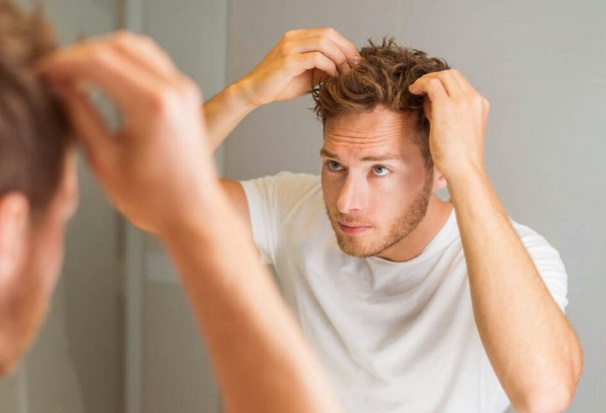 A new fermented yeast extract helps hair regrow by reducing inflammation and oxidative stress at the follicle level
Understanding Why Hair Stops Growing
A new fermented yeast extract helps hair regrow by reducing inflammation and oxidative stress at the follicle level
Understanding Why Hair Stops Growing
Hair grows in cycles that include a growth phase, a resting phase, and a shedding phase. Healthy hair follicles rely on special support cells called dermal papilla cells, which control when hair grows and when it falls out. When these cells are damaged by oxidative stress, inflammation increases and hair follicles weaken, leading to thinning hair or hair loss. Oxidative stress is caused by an excess of harmful molecules that damage cells over time, something that becomes more common with age and environmental exposure.
What Makes This Fermented Yeast Extract Different
The study focused on a fermented yeast complex extract created using a two-step fermentation process involving beneficial bacteria. This extract is rich in natural antioxidant amino acids, especially GABA and L-alanine, which are known to protect cells from damage. Unlike ordinary yeast extracts, this formulation also includes collagen and sea kelp components that enhance its biological activity.
Researchers from Gachon University College of Medicine, Gachon University Gil Medical Center, the Lee Gil Ya Cancer and Diabetes Institute, Gachon Advanced Institute for Health and Sciences and Technology, and Pukyong National University in South Korea conducted detailed laboratory and animal studies to evaluate how this extract affects hair growth.
Key Findings from Laboratory Experiments
In laboratory tests using human hair follicle dermal papilla cells exposed to oxidative stress, the fermented yeast extract significantly increased levels of NRF2, a protective protein that activates the body’s antioxidant defenses. At the same time, it reduced activity of NF-κB, a major driver of inflammation. The extract also suppressed the NLRP3 inflammasome, a molecular complex linked to chronic inflammation and hair follicle damage.
Importantly, the extract restored levels of IGF-1, a growth factor essential for hair follicle strength and regeneration. It also boosted Wnt signaling proteins and stabilized beta-catenin, both of which are crucial for pushing hair follicles back into the active growth phase.
Results Seen in Animal Studies
When tested in shaved mice, oral administration of the fermented yeast extract led to visibly faster and denser hair regrowth compared to untreated animals. The number of active hair follicles increased, more follicles entered the growth phase, and overall hair coverage improved. These effects were stronger than those seen with GABA or L-alanine alone, suggesting a combined and synergistic action of the extract’s components.
This
ww.thailandmedical.news/">Medical News report highlights that while the extract was not as powerful as minoxidil, a commonly used hair loss drug, it showed strong benefits without the known side effects associated with pharmaceutical treatments.
Why These Findings Matter
The study demonstrates that targeting oxidative stress and inflammation together may be an effective strategy for supporting natural hair regrowth. By protecting hair follicle cells, restoring growth signals, and reducing inflammatory damage, this fermented yeast extract could become a promising option for people seeking gentler, nutrition-based approaches to hair health.
Conclusions And Future Outlook
The researchers concluded that fermented yeast complex extract promotes hair regrowth by strengthening antioxidant defenses, lowering inflammation, and activating key growth pathways inside hair follicles. Although further clinical trials in humans are needed, these findings provide strong scientific support for developing this extract into a future supplement or therapeutic option for hair loss prevention and management.
The study findings were published in the peer reviewed journal: Antioxidants
https://www.mdpi.com/2076-3921/14/12/1503
For the latest on treating hair loss, keep on logging to Thailand
Medical News.
Read Also:
https://www.thailandmedical.news/news/stevia-compound-shows-promise-for-hair-regrowth-treatment
https://www.thailandmedical.news/news/breakthrough-discovery-shows-fullerene-c60-can-regrow-hair
https://www.thailandmedical.news/news/new-hope-for-hair-loss-treatment-as-ucla-scientists-discover-potential-breakthrough
https://www.thailandmedical.news/news/new-study-reveals-black-pepper-compound-as-a-potential-hair-loss-treatment
https://www.thailandmedical.news/news/herbs-and-phytochemicals-that-can-help-prevent-hair-loss-or-promote-hair-growth
https://www.thailandmedical.news/news/mit-and-harvard-researchers-develop-new-treatment-method-to-reverse-hair-loss-caused-by-alopecia-areata
https://www.thailandmedical.news/news/yale-scientists-find-that-jak-inhibitors-such-as-tofacitinib,-ruxolitinib,-baricitinib-and-ritlecitinib-can-be-used-to-treat-alopecia-areata-hair-loss
https://www.thailandmedical.news/news/researchers-from-icahn-school-of-medicine-on-the-way-to-finding-treatment-to-prevent-hair-loss-and-baldness
https://www.thailandmedical.news/news/new-breakthrough-stem-cell-treatment-for-hair-loss
https://www.thailandmedical.news/news/health-tips-for-hair-loss-prevention
https://www.thailandmedical.news/news/experimental-drug-may-reverse-hair-loss-hair-whitening-and-skin-inflammation




 Share
Share
 Tweet
Tweet
 Share
Share