For the latest on Thailand Medical Industry, Thailand Doctors, Thailand Medical Research, Thailand Hospitals, Thailand Wellness Initiatives and the latest Medical News
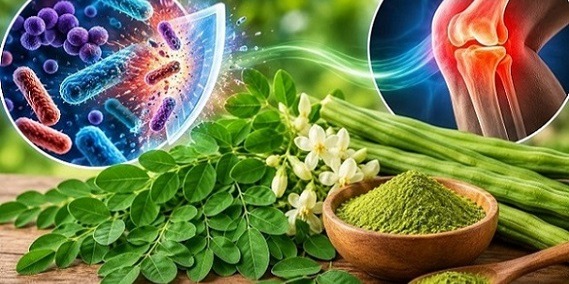
Moringa oleifera, widely known as the drumstick tree, may offer a powerful combination of antibacterial and anti-inflammatory effects, according to a new scientific review examining evidence on its leaves, stems, and bioactive compounds.
Moringa leaves contain bioactive compounds showing antibacterial and anti-inflammatory potential in
laboratory and animal research.
Researchers from the Yunnan...
Health Ministry Reports Renewed Rise
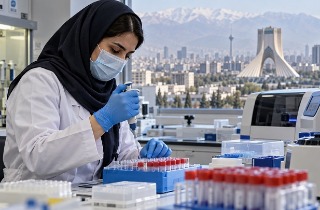
Iran’s health authorities reported renewed COVID-19 activity in early September 2026 after the proportion of positive coronavirus tests rose above the country’s lower warning threshold. The increase followed several weeks of rising infections detected through respiratory disease surveillance.
COVID-19 infections are rising across Iran
...
A nationwide Korean study has identified a warning sign for COVID-19 survivors: people with existing allergies or chronic upper-airway disease were more likely to receive a new asthma diagnosis after infection. The findings suggest that respiratory follow-up deserves particular attention in these groups.
A Korean study links preexisting allergies and sinus disease to higher asthma rates after...
Hospital Figures Reveal a Steady Climb
South Korea’s late-summer COVID-19 resurgence has brought renewed attention to hospital admissions and the visibility of infection data. August 2026 figures show increasing infections among monitored patients, and those figures have been rising in the whole of September 2026.
Rising hospital admissions and virus detection renew concern over South Kore...
A Fresh Rise Draws Attention
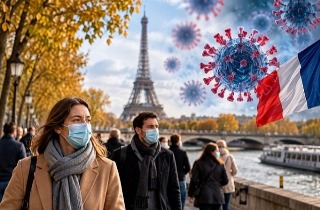
France is seeing renewed COVID-19 activity, with consultations for suspected infection climbing 19 percent in one week. Figures released by Santé publique France on September 30th show respiratory illnesses gaining ground, although the indicators remain at levels comparable to previous years.
COVID-19 consultations rise in France alongside other respirator...
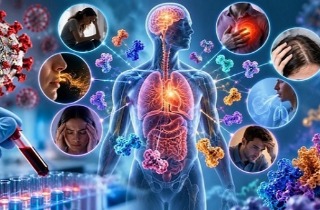
Long COVID may not be a single biological disorder but a collection of different molecular disturbances, with particular symptoms carrying their own distinctive protein fingerprints, according to new research examining nearly 2,900 proteins in people previously infected with SARS-CoV-2.
Researchers identified 235 proteins associated with individual long COVID symptoms, revealing distinctive
...
Newly scrutinized SARS-CoV-2 sequences from parts of Europe are putting the virus's spike cleavage machinery back in the spotlight, with several mutations appearing close to regions that can influence how efficiently the virus enters and fuses with human cells.
New COVID Spike Mutations in Europe Put Viral Cleavage Sites Back Under Scrutiny
Among the changes attracting attention are Sp...
COVID-19 infections are climbing sharply across Spain, with reported incidence surging by 125 percent in just one week and renewed concerns emerging about how increasing transmission could eventually affect hospitals, nursing homes, and other healthcare facilities.
COVID-19 Cases Across Spain Surges by 125 Percent in One Week with Severe Cases Straining the
Healthcare System
The latest su...
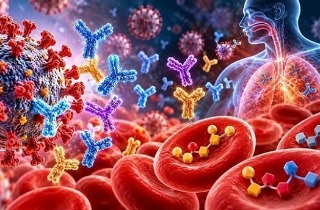
COVID-19 may do more than trigger antibodies against the coronavirus itself. New research suggests SARS-CoV-2 infection can also disturb naturally occurring antibodies linked to a person’s ABO blood group, producing surprisingly unpredictable changes that could have implications for immunity, blood transfusion, organ transplantation, and potentially autoimmunity.
COVID-19 may unexpected...
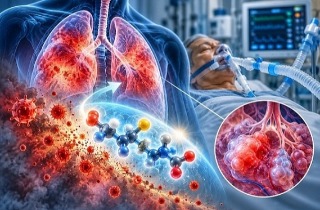
A major review of acute respiratory distress syndrome (ARDS) suggests that depletion of glutathione, one of the body’s most important antioxidants, may be closely linked to worsening lung injury and could eventually help doctors identify patients approaching severe respiratory failure. ARDS affects an estimated 150,000–190,000 people annually in the United States. The study review was ...
COVID-19 activity is rising again as Britain moves into autumn, with new surveillance data showing hospital-based SARS-CoV-2 test positivity reaching 7 percent. However, while the Week 39 report is nationally published by the UK Health Security Agency (UKHSA), the detailed COVID-19 surveillance figures presented in the latest report apply specifically to England and cover data through Week 38, end...
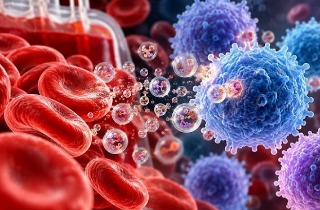
Tiny biological particles accumulating in stored red blood cell concentrates may influence immune responses after transfusion, with new laboratory research showing that these particles can stimulate the proliferation of important T cells.
Exosomes accumulating in stored red blood cell concentrates may alter T cell responses, with leukoreduction
appearing to reduce their immune-stimulating ef...
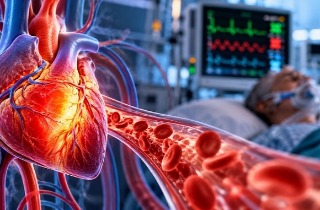
Blood pressure has long been one of the first measurements doctors examine when assessing a critically ill patient. But in cardiogenic shock, an acceptable blood pressure reading may provide false reassurance while blood flow to vital organs is already dangerously impaired.
Blood pressure can remain deceptively stable even as cardiac output and vital-organ perfusion deteriorate in cardiogenic...
Malaysia is confronting an extraordinary increase in the number of children diagnosed with autism, with official registration figures climbing severalfold over little more than a decade and placing mounting pressure on families, schools, therapists, and the country's health and social support systems.
Malaysia is recording a dramatic rise in children diagnosed with autism, intensifying de...
COVID-19 activity is increasing across France, with wastewater surveillance, emergency-room visits, and after-hours medical consultations all indicating wider circulation of SARS-CoV-2 during September 2026.
Wastewater surveillance and healthcare data indicate COVID-19 infections are increasing across France, although
current activity remains below previous autumn peaks
The latest f...
COVID-19 activity in Belgium has risen sharply, with circulation of SARS-CoV-2 increasing roughly tenfold from the exceptionally low levels recorded before the summer holidays. New viral variants and the return to schools and workplaces appear to be contributing to the unusually early autumn wave.
New SARS-CoV-2 variants are driving a sharp rise in COVID-19 circulation across Belgium as an un...
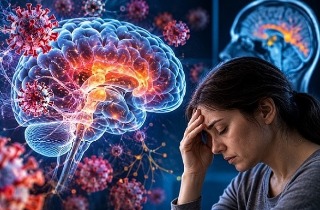
Researchers have identified a combined brain-and-cognition pattern that distinguishes people with Long COVID from healthy controls, pointing toward subtle neuroinflammatory and vascular changes rather than widespread neurodegeneration.
Advanced MRI and cognitive testing linked Long COVID symptoms with subtle brain changes consistent
with neuroinflammatory and vascular processes
The ...
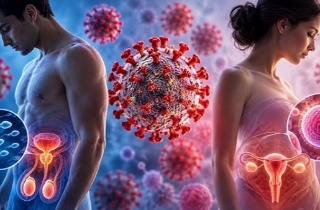
COVID-19 may affect sexual and reproductive health through a surprisingly broad combination of vascular, hormonal, inflammatory, reproductive, and psychological pathways, according to a large systematic review.
A systematic review finds COVID-19 can affect sexual function, sperm quality, hormones, and menstrual health,
although many reproductive changes appear temporary
Researchers examin...
An antibiotic that can suppress inflammatory activity in the brain has produced encouraging results across experimental models of Alzheimer’s disease, schizophrenia, depression, and Lewy body-related disorders. Yet when minocycline has been tested in patients, the results have been far less convincing.
Minocycline can suppress inflammatory brain responses in experimental models, but con...
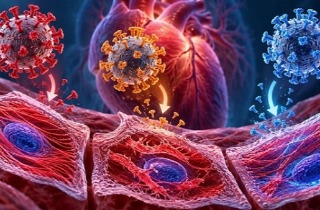
SARS-CoV-2 spike proteins from the Alpha, Delta, and Omicron variants can trigger distinctly different structural and molecular changes in human heart muscle cells, according to new laboratory research examining how viral proteins affect the cellular machinery needed for normal cardiac function.
Alpha, Delta, and Omicron spike proteins produced different structural and molecular remodeling pa...
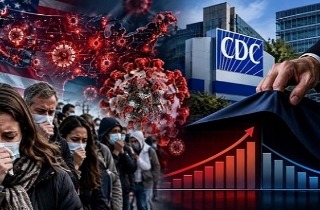
COVID-19 is again spreading widely across the United States, with wastewater surveillance pointing to outbreaks from the Northeast and Midwest to the South and West. At the same time, a Tulane University researcher is accusing the U.S. Centers for Disease Control and Prevention of making the national picture appear less alarming by changing how wastewater activity is categorized.
Wastewater s...
Patients critically ill with COVID-19 may require much higher doses of the widely used sedative propofol while still developing surprisingly low concentrations of the drug in their blood, new research suggests.
Severe COVID-19 patients required considerably more propofol despite having markedly lower concentrations
of the sedative in their blood.
The findings offer a possible biological e...
Epstein-Barr virus (EBV), best known for causing infectious mononucleosis, may have a much broader role in human disease. A new scientific review details evidence connecting the widespread virus with multiple sclerosis (MS), autoimmune disorders, dangerous inflammatory conditions, lymphoproliferative diseases, and several cancers.
A major review links Epstein-Barr virus with MS, autoimmune di...
Scientists investigating a deadly meningitis outbreak in Kent, England, have identified unusual genetic changes that may explain why the bacteria involved caused such severe disease in so many young people within a remarkably short period.
Genetic analysis of the deadly 2026 Kent meningitis outbreak suggests a newly emerged Neisseria
meningitidis variant acquired changes that increased its a...
A small molecule involved in regulating inflammation and brain function may provide an important molecular clue to why some people with COVID-19 develop stroke, according to new research examining microRNA patterns in patients with and without the neurological complication.
Researchers found sharply elevated miR-124 levels in COVID-19 patients who experienced stroke
Researchers found...
The blood-brain barrier may play a far more active role in major psychiatric disorders than previously recognized, with evidence linking barrier dysfunction to major depressive disorder (MDD), bipolar disorder (BD), and schizophrenia.
A new comparative review examined clinical, molecular, neuroimaging, postmortem, and preclinical evidence published mainly between 2000 and 2026. The researchers in...
COVID-19 activity increased across Japan in early September, with health authorities recording 7,777 cases through the country’s sentinel surveillance system during the week of August 31 to September 6, 2026.
Japan recorded 7,777 sentinel-reported COVID-19 cases as the national weekly rate climbed to 2.08 patients per medical facility.
The Ministry of Health, Labor and Welfare report...
A highly unusual cluster of locally acquired malaria infections around Frankfurt Airport has become more serious after German health authorities confirmed another death and an additional infection, bringing the outbreak to eight cases and three fatalities.
Frankfurt's unusual airport-linked malaria outbreak has reached eight infections and three deaths after cases emerged among
nearby re...
A lipid extract from the anchoring structure of giant Patagonian kelp protected brain cells from several metabolic disruptions associated with Alzheimer’s disease in laboratory experiments, raising interest in marine compounds as potential sources of future neuroprotective treatments.
Patagonian giant kelp holdfast lipids protected neuronal glucose metabolism and energy balance from
am...
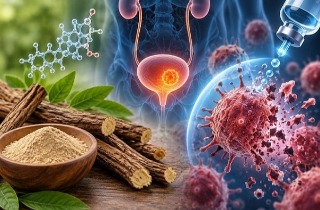
A phytochemical compound derived from licorice may help suppress bladder cancer while making tumors more responsive to cisplatin chemotherapy, according to new preclinical research examining its effects on two major cancer-promoting signaling pathways.
Glycyrrhizic acid suppressed bladder cancer growth and strengthened cisplatin's anticancer effects in preclinical
experiments
...
A little-studied herpesvirus may deserve closer attention in long COVID research after scientists found strikingly high HHV-7 positivity among patients experiencing persistent neurological and neuropsychiatric symptoms following SARS-CoV-2 infection.
HHV-7 positivity reached 76.7% among patients with neurological or neuropsychiatric long COVID in a retrospective study
Research institutions...
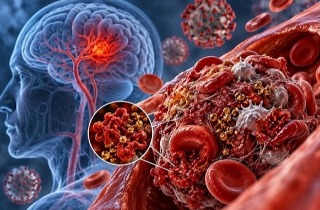
Scientists investigating why COVID-19 can increase the risk of dangerous blood clots have discovered unusually high levels of cell-free hemoglobin and iron inside cerebral thrombi removed from stroke patients.
COVID-19-associated stroke clots contained unusually high levels of cell-free hemoglobin and iron, revealing
a potential new mechanism contributing to abnormal blood clotting
...
The widely used heart failure treatment sacubitril/valsartan has been linked to a lower risk of developing atrial fibrillation (AF) in people with heart failure with reduced ejection fraction (HFrEF), according to a large nationwide South Korean study.
Sacubitril/valsartan was associated with a lower one-year risk of new-onset atrial fibrillation among patients with heart failure and reduced ...
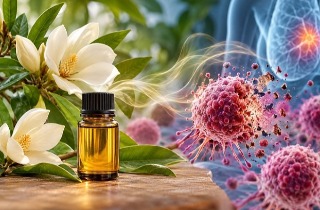
A fragrant essential oil from the Japanese magnolia Magnolia salicifolia has shown potent anticancer activity against breast cancer cells, while inhalation of its volatile compounds significantly reduced tumor development in mice.
Magnolia salicifolia essential oil and its citral component showed potent breast cancer cell-killing activity and reduced
tumor development in mice
Resear...
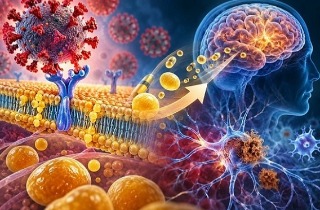
A newly published scientific review is drawing attention to a potentially important biological connection between COVID-19, disrupted fat metabolism, and long-term neurological damage. Researchers argue that changes involving the SARS-CoV-2 receptor ACE2 and cellular lipids could help explain why neurological problems persist in some people with Long COVID and may overlap with pathways involved in...
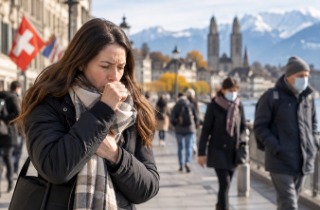
More people in Switzerland are coughing and falling ill with respiratory infections, and COVID-19 cases are now beginning to rise as the country heads toward the colder months.
COVID-19 cases are edging higher in Switzerland as doctors report a growing number of patients with respiratory illnesses
The latest figures from the Federal Office of Public Health (FOPH) show that reported c...
Pennsylvania is seeking emergency assistance from the US Centers for Disease Control and Prevention (CDC) as a fast-growing measles outbreak pushes the state beyond 700 confirmed cases.
Pennsylvania is seeking emergency CDC assistance as its measles outbreak exceeds 700 cases and four state-recorded deaths.
Emergency Federal Help Requested
The Pennsylvania Department of Health has begun r...
Thirty-five years of CARDIA data indicated that elevated systolic blood pressure and smoking before age 40 predicted later cognitive decline. Declining participants also exhibited faster white-matter damage and changes across several brain regions and networks. The findings suggest that vascular health during young adulthood may influence how the brain ages decades later.
Higher blood pressur...
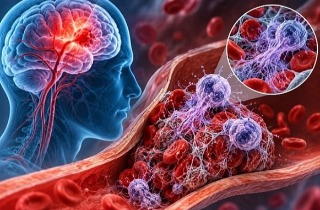
Scientists may have uncovered an important reason why clot-busting drugs sometimes fail to reopen blocked brain arteries during acute ischemic stroke. New research suggests that web-like structures released by immune cells can trap key proteins and inhibitors inside blood clots, effectively putting the brakes on fibrinolysis—the process responsible for dissolving fibrin and breaking down clo...
Scientists are investigating whether SARS-CoV-2 proteins that remain in the body long after an acute infection could help explain why some people develop persistent, multisystem symptoms known as Long COVID.
Persistent SARS-CoV-2 antigens detected months after infection are being investigated as one possible
contributor to Long COVID
The review was conducted by Elifcan Aladag and Ib...
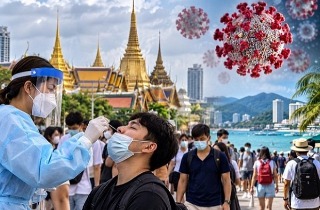
COVID-19 infections climb across Thailand
Thailand is experiencing another noticeable rise in COVID-19 infections, with health authorities reporting an average of approximately 15,000 new cases each week over the latest four-week period.
Thailand is recording about 15,000 new COVID-19 cases weekly as respiratory infections rise during the rainy season
According to Thailand’s Departm...
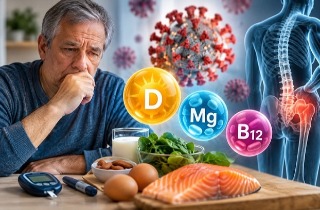
A large study suggests COVID-19 may leave people with type 2 diabetes facing elevated risks of vitamin and mineral deficiencies for years after infection, alongside higher rates of osteoporosis and fractures.
Researchers I-Wen Chen, Li-Chen Chang, and Kuo-Chuan Hung analyzed electronic health records from the predominantly U.S.-based TriNetX Global Collaborative Network. The researchers a...
Acute respiratory infections such as influenza and COVID-19 could have unexpected consequences for people with dormant cancer cells, with mounting evidence suggesting that infection-driven inflammation can alter the body's immune environment in ways that allow previously inactive cancer cells to awaken and grow.
Acute influenza and COVID-19 inflammation may awaken dormant cancer cells and...
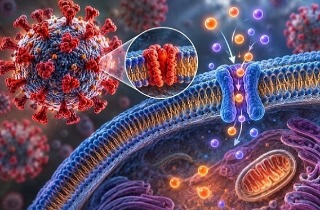
A scientific review focuses on ion channels and virus-made membrane proteins that may help SARS-CoV-2 replicate, disrupt cells, provoke inflammation and possibly contribute to persistent illness.
SARS-CoV-2 viroporins, particularly the E protein, may disrupt cellular ion balance and expose new
therapeutic targets
Researchers Faisal F. Alousi and Abdel A. Alli examined evidence surro...
Thailand Medical News Team Sep 16, 2026 16 days ago
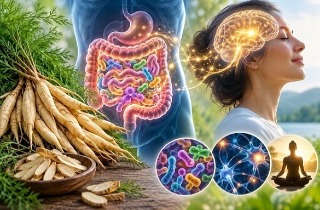
An ancient medicinal herb best known for supporting women’s reproductive health is attracting scientific attention for another reason: its potential influence on the brain through the gut.
A new scientific review examines how Asparagus racemosus, commonly known as Shatavari, may support cognitive health through a combination of prebiotic, antioxidant, anti-inflammatory, neuroprotectiv...
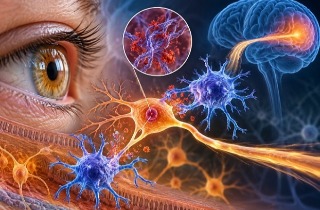
Glaucoma is usually associated with damaging pressure inside the eye, but a new scientific review suggests the disease may involve a more complex chain of neurodegenerative and immune changes. Researchers examined evidence linking abnormal tau protein, altered microglia—the nervous system’s resident immune cells—and damage to retinal ganglion cells (RGCs), whose axons form the op...
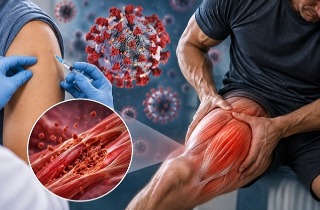
A major systematic review has brought together evidence of a rare but potentially serious form of muscle damage reported in people with SARS-CoV-2 infection and, much less frequently, following COVID-19 vaccination.
A systematic review found rhabdomyolysis reported during COVID-19 infection and in rare cases following vaccination,
although vaccine causality has not been established.
Resea...
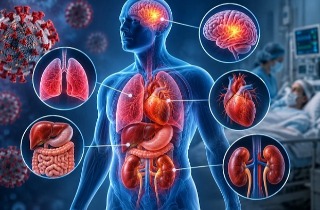
Neuropsychiatric symptoms in people hospitalized with COVID-19 may be less an isolated brain problem than part of wider multi-organ illness, according to a Romanian study that found kidney and urinary-system involvement carried greater prognostic weight for intensive care and death.
COVID-19 neurological symptoms often appeared within broader multi-organ disease, while renal-urinary
involvem...
An Israeli study examining internal pharmacovigilance records has raised questions about how quickly an emerging myocarditis and pericarditis safety signal was communicated during the early COVID-19 vaccination campaign.
Researchers Yaakov Ophir, affiliated with Ariel University in Israel and the University of Cambridge in the United Kingdom, and Yaffa Shir-Raz of the University of Haifa in Israe...
A key immune molecule involved in activating T cells could become an important new target for diagnosing and treating atherosclerosis, according to a detailed review of experimental and human evidence.
Targeting the immune molecule CD80 could open new approaches to detecting and controlling dangerous
inflammatory atherosclerotic plaques.
Researchers Alexander Blagov, Aleksey Vatlin, Daria...
COVID-19 may leave behind more than respiratory damage and temporary illness. A major scientific review warns that the long-term neurological consequences of SARS-CoV-2 infection could collide with the biological processes of aging, potentially creating a growing brain-health challenge as millions of previously infected people become older.
Researchers are investigating whether SARS-CoV-2 and...
Scientists are calling for more rigorous research into possible connections between cancer, SARS-CoV-2 infection, and COVID-19 vaccination after a major review identified recurring cancer-related signals in published medical literature from around the world.
Scientists examining worldwide evidence say cancer signals reported after COVID-19 infection and vaccination
require further investigat...
A study of people living with severe long COVID for about three years has found no evidence that three circulating markers of NETosis—a process linked to immune activation and inflammation—remain elevated long after SARS-CoV-2 infection. The findings challenge the idea that persistent systemic NETosis is a universal driver of long-term long COVID.
NETosis is a specialized form...
Migraine sufferers may face a significantly higher risk of developing glaucoma, according to a large systematic review and meta-analysis involving more than 3.6 million participants. The findings strengthen evidence of a possible connection between the common neurological disorder and a major cause of irreversible vision loss.
A major meta-analysis involving more than 3.6 million participants...
Modern antiretroviral therapy (ART) has transformed HIV into a manageable chronic condition, but evidence suggests that successfully suppressing the virus in the blood does not necessarily eliminate its effects on the brain.
HIV may continue affecting neuronal health and brain function even when antiretroviral therapy
successfully suppresses the virus
A new scientific review reports...