Thailand Medical Researchers Find Natural Flavonoid Duo Kills Leukemia Cells More Effectively
Nikhil Prasad Fact checked by:Thailand Medical News Team Jun 23, 2026 3 months, 49 minutes ago
Thailand Medical: Researchers in Thailand have uncovered promising evidence that two naturally occurring plant compounds may work together to destroy leukemia cells far more effectively than either compound alone. The new findings suggest that a combination of fisetin and pinocembrin could become a valuable strategy in the ongoing search for safer and more targeted leukemia treatments.
 Thai researchers discover that combining fisetin and pinocembrin dramatically boosts leukemia cell death
through powerful apoptosis signaling pathways.
The research was conducted by
Thailand Medical scientists from the Program in Clinical Hematology Sciences and the Department of Clinical Microscopy, Faculty of Allied Health Sciences, Chulalongkorn University, Bangkok, Thailand, along with researchers from the Research Innovation & International Affairs Division of the same faculty.
Natural Compounds Show Powerful Anti-Leukemia Activity
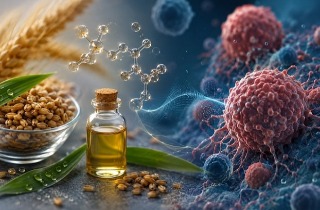
Fisetin is a natural flavonoid found in fruits and vegetables, especially strawberries, while pinocembrin is another plant-derived flavonoid found in honey, propolis, and various medicinal plants. Both compounds have attracted scientific interest because of their reported anti-cancer properties.
In this study, researchers tested the compounds against two different human leukemia cell types: Jurkat cells, representing acute lymphoblastic leukemia, and K562 cells, representing chronic myeloid leukemia.
The results showed that fisetin alone significantly reduced leukemia cell survival. Jurkat cells were particularly sensitive to the compound, while K562 cells required higher concentrations to achieve similar effects. Importantly, the researchers found very little toxicity in non-cancerous cell models, suggesting a degree of selectivity toward malignant cells.
Triggering Cancer Cell Suicide
One of the most important discoveries was how fisetin kills leukemia cells.
Instead of merely slowing cell growth, fisetin activated a process known as apoptosis, often described as programmed cell suicide. The compound dramatically increased the number of dying leukemia cells in a dose-dependent manner.
Detailed molecular analysis revealed that fisetin primarily activated the “extrinsic” apoptosis pathway. Specifically, it increased activation of caspase-8, a key protein that initiates cell death signals. The study found little evidence that the compound relied on the more commonly studied mitochondrial death pathway.
Researchers also discovered evidence suggesting that fisetin may interact with the Fas receptor, a cell-surface death receptor that helps trigger apoptosis. Computer modeling showed a strong potential interaction, and additional experiments demonstrated that blocking the Fas receptor significantly reduced fisetin’s cancer-killing effects.
According to this
Medical News report, these findings provide some of the strongest evidence yet that fisetin can forc
e leukemia cells into self-destruction through Fas-related signaling mechanisms.
Combination Therapy Produces Stronger Results
The most exciting results emerged when fisetin was combined with pinocembrin.
The combination produced significantly greater leukemia cell death than either compound alone. In Jurkat cells, the interaction was strongly synergistic, meaning the two compounds enhanced each other's effectiveness rather than simply adding their individual effects together.
Researchers observed increased activation of caspase-8 and a reduction in CDK4, a protein involved in cell cycle progression and cancer cell growth. The combined treatment also dramatically suppressed the ability of leukemia cells to form new colonies, an important indicator of long-term cancer survival and spread.
Even at concentrations below the levels normally required for major anti-cancer effects, the combination showed impressive activity, raising hopes that future therapies could achieve better results with lower doses.
A Promising Direction for Future Cancer Treatments
The researchers conclude that fisetin is capable of inducing powerful leukemia cell death through a caspase-8-dependent mechanism involving Fas-associated signaling. When paired with pinocembrin, the anti-cancer effects become significantly stronger, resulting in enhanced apoptosis and suppression of leukemia cell growth. Although additional animal studies and human clinical trials are still needed, the findings suggest that naturally derived flavonoid combinations could eventually contribute to safer, more effective leukemia treatment strategies while potentially reducing the need for higher-dose conventional therapies.
The study findings were published in the peer reviewed International Journal of Molecular Sciences.
https://www.mdpi.com/1422-0067/27/12/5622
For the latest news Thai medical research, keep on logging to
Thailand Medical News.
Read Also:
https://www.thailandmedical.news/articles/thailand-medical
https://www.thailandmedical.news/articles/cancer
https://www.thailandmedical.news/articles/herbs-and-phytochemicals




 Share
Share
 Tweet
Tweet
 Share
Share