Nikhil Prasad Fact checked by:Thailand Medical News Team Jun 12, 2026 3 months, 2 days, 21 hours, 2 minutes ago
Medical News: For decades, Human Herpesvirus-6 (HHV-6) was largely regarded as a common childhood virus responsible for roseola, a generally mild illness characterized by fever and rash. However, a growing body of scientific evidence is now suggesting that this widespread virus may have a far more troubling side. Researchers are increasingly linking HHV-6 infections to epilepsy, chronic neurological dysfunction, and even neurodegenerative diseases that affect millions worldwide.
 Scientists are uncovering growing evidence that HHV-6 infections may contribute to epilepsy, chronic brain
inflammation, and neurodegenerative diseases
A new review by scientists from the Molecular and Cell Biology Department, Host-Virus Evolutionary Dynamics Institute, Quantitative Systems Biology Program, Center for Interdisciplinary Neuroscience, and Health Science Research Institute at the University of California Merced, USA, together with researchers from the Department of Biomedical Engineering at Tufts University, USA, examines the mounting evidence connecting HHV-6A and HHV-6B to a range of serious brain disorders.
A Virus Carried by Most of the World's Population
HHV-6 exists as two closely related viral species, HHV-6A and HHV-6B. Researchers estimate that approximately 90 percent of people worldwide have been infected with one or both forms of the virus. Unlike many viruses that are eventually eliminated by the body, HHV-6 can remain dormant for life and reactivate years later.
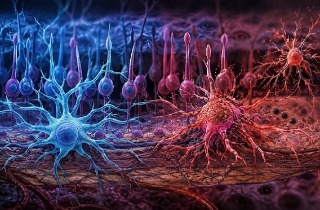
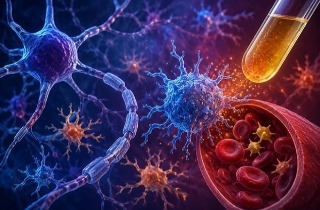
What makes these viruses especially concerning is their ability to invade the central nervous system. Studies have shown that HHV-6 can infect critical brain cells including neurons, astrocytes, oligodendrocytes, and microglia. These cells are responsible for maintaining normal brain communication, protecting nerve fibers, and regulating inflammation.
Researchers say the ability of HHV-6 to establish lifelong infections within the brain creates conditions that could contribute to chronic neurological problems.
Strong Evidence Linking HHV-6 to Epilepsy
One of the most significant findings highlighted in the review involves epilepsy, particularly temporal lobe epilepsy, one of the most common and treatment-resistant forms of the disease.
Investigators have repeatedly detected HHV-6 DNA, viral proteins, and markers of active infection in brain tissues removed from patients undergoing surgery for severe epilepsy. The virus has been found especially in the hippocampus and amygdala, regions that play major roles in memory formation and seizure activity.
Some studies reviewed found that while HHV-6 may also be present in people without epilepsy, viral levels were substantially higher in patients suffering from temporal lobe epilepsy. Researchers believe viral burden and repeated reactivation may be more important than simple viral presence.
Scientists propose several ways the virus could contribute to seizure development. HHV-6 appears capable of disrupting the balance between excitatory and inhibitory signaling in the brain. It can interfere with glutamate regulation, weaken protective GABA-related pathways, damage support cel
ls known as astrocytes, and trigger inflammation that makes nerve cells more prone to abnormal firing.
How Brain Inflammation Fuels Neurological Damage
The review reveals that neuroinflammation may be one of the most important mechanisms connecting HHV-6 to neurological disease.
When HHV-6 infects brain cells, it can activate multiple inflammatory pathways involving cytokines, Toll-like receptors, and NF-kB signaling. These responses are designed to fight infections, but prolonged activation can cause collateral damage to healthy brain tissue.
Chronic inflammation can alter communication between neurons, impair repair mechanisms, and create conditions that favor seizure activity. Researchers also found evidence that HHV-6 infection may disrupt neurotransmitter systems responsible for maintaining normal brain stability.
This
Medical News report notes that these inflammatory effects may help explain why HHV-6 has also been associated with disorders such as multiple sclerosis, chronic fatigue syndrome, encephalitis, and cognitive dysfunction.
Possible Connections to Alzheimer's Disease and Dementia
Beyond epilepsy, researchers are increasingly examining the virus's potential role in neurodegenerative disorders.
Laboratory studies reviewed by the authors found that HHV-6A infection can stimulate the production of amyloid-beta proteins, one of the hallmark features associated with Alzheimer's disease. The virus can also activate microglia, the brain's immune cells, leading to sustained inflammatory responses that may contribute to long-term neuronal damage.
Adding to concerns, HHV-6 can reactivate other dormant herpesviruses such as Epstein-Barr virus, cytomegalovirus, varicella-zoster virus, and herpes simplex virus-1. Many of these viruses have independently been implicated in neurological disorders, suggesting that HHV-6 may amplify disease processes through multiple pathways.
Different Viral Species May Cause Different Diseases
The review also highlights important differences between HHV-6A and HHV-6B. While HHV-6B is more strongly associated with childhood infections, febrile seizures, and epilepsy, HHV-6A appears more frequently linked to chronic inflammatory and demyelinating disorders such as multiple sclerosis.
Researchers believe differences in how the two viral species enter cells and interact with the immune system may explain their distinct disease associations. Understanding these differences could eventually help scientists develop more targeted treatments and diagnostic tools.
Conclusions
The growing evidence reviewed by researchers suggests that HHV-6A and HHV-6B may be important but underappreciated contributors to a variety of neurological diseases. Their ability to infect brain cells, remain dormant for years, reactivate unexpectedly, and trigger chronic inflammation creates multiple pathways through which they may influence epilepsy, neurodegeneration, and other brain disorders. Although scientists have not yet established definitive proof that HHV-6 directly causes these conditions, the accumulating clinical and laboratory findings strongly support further investigation. Future studies may reveal whether controlling viral reactivation could become a valuable strategy for preventing or reducing neurological damage in vulnerable individuals.
The study findings were published in the peer reviewed journal: Viruses.
https://www.mdpi.com/1999-4915/18/6/660
For the latest on HHV-6 virus, keep on logging to Thailand
Medical News.
Read Also:
https://www.thailandmedical.news/news/italian-researchers-discover-that-covid-19-infection-triggers-herpes-virus-6a-hhv-6a-reactivation
https://www.thailandmedical.news/news/new-study-highlights-the-role-of-autoimmunity-human-herpes-virus-6-reactivation-and-inflammation-in-long-covid
https://www.thailandmedical.news/news/reactivation-of-herpes-hhv-6-and-ebv-is-associated-with-myalgic-encephalomyelitis-chronic-fatigue-syndrome-implications-for-long-covid
https://www.thailandmedical.news/news/hhv-6b-virus-link-to-long-covid-fatigue-found-as-donepezil-shows-promise
https://www.thailandmedical.news/news/herpes-virus-strain-hhv-6a--linked-to-multiple-sclerosis




 Share
Share
 Tweet
Tweet
 Share
Share