Nikhil Prasad Fact checked by:Thailand Medical News Team Jun 09, 2026 3 months, 3 weeks, 4 days, 5 hours, 16 minutes ago
Medical News: A team of Chinese scientists has unveiled a powerful new technique that can rapidly generate specialized human brain cells known as cortical interneurons in just a fraction of the time required by conventional methods. The breakthrough could accelerate research into a wide range of neurological and psychiatric disorders while bringing regenerative brain therapies one step closer to reality.
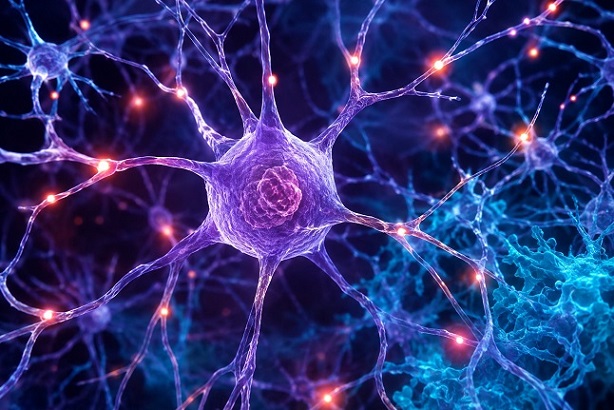 Scientists have developed a rapid new method for producing human brain interneurons, specialized cells that
regulate neural activity and may one day help treat neurological disorders
The research was conducted by scientists from the Cell Therapy Center, Beijing Municipal Geriatric Medical Research Center, Xuanwu Hospital, Capital Medical University; the National Clinical Research Center for Geriatric Diseases, Xuanwu Hospital, Capital Medical University; the Key Laboratory of Neurodegenerative Diseases, Ministry of Education, Xuanwu Hospital, Capital Medical University; the Center of Parkinson’s Disease, Beijing Institute for Brain Disorders; and the Center of Neural Injury and Repair, Beijing Institute for Brain Disorders, Beijing, China.
What Are Interneurons and Why Are They Important?
The human brain contains billions of nerve cells called neurons that constantly exchange information. Among these are specialized cells known as interneurons, which act as the brain’s internal regulators and communication coordinators.
Interneurons function like traffic controllers in a busy city. They help regulate signals traveling between neurons, ensuring that brain activity remains balanced and organized. Most cortical interneurons produce a neurotransmitter called gamma-aminobutyric acid (GABA), a chemical messenger that calms excessive nerve activity.
Without healthy interneurons, brain circuits can become overactive or disorganized. Scientists have linked dysfunction of these cells to epilepsy, schizophrenia, autism spectrum disorders, depression, anxiety disorders, Alzheimer's disease, Parkinson’s disease, and other neurological conditions.
Because of their central role in controlling brain activity, interneurons have become one of the most important targets in modern neuroscience research.
A Faster Route to Critical Brain Cells
For years, researchers have struggled to produce human cortical interneurons efficiently in the laboratory. Traditional methods typically start with pluripotent stem cells and often require more than 35 days of complex culturing before meaningful numbers of interneurons can be obtained.
In the new study, researchers took a different approach. Instead of beginning with primitive stem cells, they used human-induced neural stem cells (hiNSCs), which are already partially programmed toward becoming nervous system cells. By carefully controlling several biological signaling pathways that guide brain development, the scientists were able to rapidly direct these cells toward becoming cortical interneurons. The process required only about 14 to 18 days, representing a dramatic reduction in production time compared to existing protocols.
Remarkably High Purity an
d Consistency
One of the most impressive aspects of the new method was the quality of the resulting cells.
The researchers found that prolonged activation of the Sonic Hedgehog signaling pathway significantly enhanced interneuron development.
More than 80 percent of the resulting cells expressed important markers associated with cortical interneurons. Approximately 85 percent of the cells produced GABA, indicating successful conversion into inhibitory interneurons.
The cells also expressed high levels of markers associated with important interneuron subtypes, including somatostatin-positive and parvalbumin-positive interneurons. These particular subtypes play crucial roles in learning, memory, cognition, sensory processing, and the prevention of abnormal brain activity.
Importantly, the protocol generated very few unwanted cell types, reducing safety concerns and improving the reliability of the final product.
Consistent Results Across Different Donors
One major challenge in stem cell research is that cells from different individuals often behave differently. To test the robustness of their technique, the researchers applied the protocol to four genetically distinct neural stem cell lines derived from separate donors.
The results were remarkably consistent. Gene expression patterns and differentiation outcomes remained highly similar across all four cell lines, suggesting that the method can reliably produce high-quality interneurons regardless of donor background.
This consistency is especially important for future clinical applications, where large-scale production of standardized cells will be essential.
Functional Brain Cells in the Laboratory
The newly generated interneurons did not merely look like brain cells—they behaved like them as well.
Laboratory tests showed that the cells displayed strong migratory properties similar to those observed during normal human brain development. The cells extended neural projections and moved away from cell clusters, mimicking the behavior of naturally developing cortical interneurons.
Researchers also demonstrated that the cells released abundant amounts of GABA when stimulated. Notably, they did not produce significant amounts of unrelated neurotransmitters, confirming their specialized interneuron identity.
This Medical News report highlights that the rapid appearance of these functional characteristics suggests the cells are progressing toward mature neuronal states much faster than previously possible.
Successful Survival After Brain Transplantation
To explore therapeutic potential, the researchers transplanted the laboratory-generated interneuron progenitors into the hippocampus of adult mice.
Four weeks after transplantation, the cells remained alive and continued developing inside the animals' brains. The transplanted cells expressed key interneuron markers including FOXG1, GABA, and somatostatin.
Even more encouraging, the transplanted cells extended neuronal projections and formed synapse-like connections with surrounding host brain cells. These findings suggest that the cells can integrate into existing neural circuits, a critical requirement for future cell replacement therapies.
Conclusions
The new study represents a significant advance in the field of regenerative neuroscience. By using human-induced neural stem cells and an optimized signaling strategy, researchers were able to generate large numbers of cortical interneurons in as little as two to three weeks, dramatically shortening production timelines while maintaining high purity and reproducibility. The resulting cells exhibited key biological features of genuine interneurons, including migration, GABA production, and the ability to survive and integrate after transplantation into the brain. Although additional studies are needed to confirm long-term safety, electrical functionality, and therapeutic effectiveness in disease models, the findings provide a strong foundation for developing future treatments for epilepsy, autism, schizophrenia, Parkinson’s disease, and other disorders linked to impaired brain circuitry.
The study findings were published in the peer reviewed International Journal of Molecular Sciences.
https://www.mdpi.com/1422-0067/27/12/5194
For the latest on stem cell research, keep on logging to Thailand
Medical News.
Read Also:
https://www.thailandmedical.news/articles/stem-cell-therapies




 Share
Share
 Tweet
Tweet
 Share
Share

































