Nikhil Prasad Fact checked by:Thailand Medical News Team Apr 17, 2026 5 months, 4 days, 4 hours, 28 minutes ago
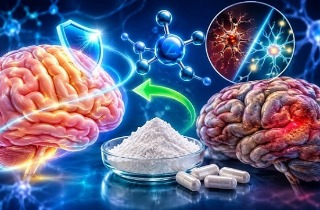
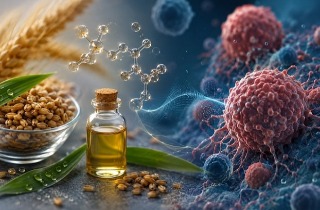
Thailand Medical: A fascinating new Thai medical study by researchers from Burapha University-Chonburi is shedding light on a traditional medicinal plant that could play a powerful role in calming brain inflammation linked to serious neurological conditions. Researchers have discovered that extracts from Celastrus paniculatus seeds - long used in herbal medicine - can significantly reduce harmful immune activity in the brain, opening new possibilities for treating neurodegenerative diseases.
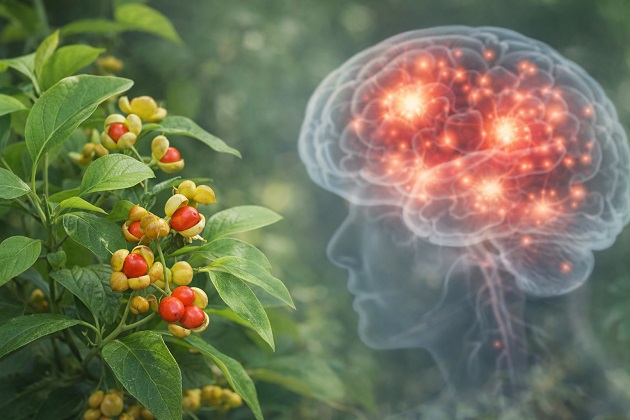 Plant-derived compounds demonstrate potential to calm brain immune overactivity and inflammation
Understanding Brain Inflammation Made Simple
The brain has its own immune system, and two key players - astrocytes and microglia - work together to protect it. However, when this system becomes overactive, it can trigger chronic inflammation, which is linked to diseases like Alzheimer’s and Parkinson’s.
In this study, scientists recreated a “stress” environment in the lab by exposing brain-supporting cells (astrocytes) to oxidative stress. These stressed cells then released signals that activated microglia, the brain’s immune defenders. Once activated, microglia became aggressive, changing shape and releasing inflammatory substances that can damage neurons.
Natural Seed Extracts Show Remarkable Effects
The
Thailand Medical researchers focused on two specific high-polar fractions, known as F6 and F7, extracted from Celastrus paniculatus seeds. These fractions were rich in bioactive compounds such as alkaloids and terpenoids - natural chemicals often linked to anti-inflammatory and neuroprotective effects.
Using advanced metabolite profiling, the team identified 99 key compounds in these extracts, with alkaloids and terpenoids making up the largest share.
When these extracts were applied to activated microglia, the results were striking. The cells began to revert toward a healthier, resting state. Their abnormal swollen shapes shrank back to normal, and their branching structures - important for monitoring the brain - were restored.
Key Inflammatory Signals Dramatically Reduced
One of the most important findings was the reduction of specific inflammatory markers. The extracts, especially fraction F7, significantly suppressed proteins such as CD40 and iNOS, both of which are strongly linked to inflammation and tissue damage in the brain.
At the same time, levels of inflammatory molecules like TNF-alpha and IL-6 dropped noticeably. These molecules are known to fuel chronic inflammation and are often elevated in neurodegenerative diseases.
This Medical News report highlights that F7 consistently showed stronger anti-inflammatory effects than F6, particularly in reducing these harmful signals.
Restoring Balance in Brain Immune Function
Beyond reducing inflammation, the extracts also helped normal
ize microglial behavior. Normally, overactive microglia can become overly aggressive in “cleaning up” the brain, potentially harming healthy cells.
The study found that treated cells showed more balanced activity, with reduced excessive phagocytosis (cell-eating behavior). This suggests the extracts not only calm inflammation but also restore proper immune balance in the brain.
Why This Discovery Matters
What makes this study especially important is its focus on “sterile inflammation” - the type of inflammation that occurs without infection and is common in aging and neurodegenerative diseases. By targeting this specific process, the findings may be more relevant to real-world brain disorders.
The research also highlights the potential of traditional medicinal plants as modern therapeutic tools. While Celastrus paniculatus has long been associated with memory and cognition benefits, this study provides scientific evidence explaining how it may work at a cellular level.
Conclusion
The findings from this Thai medical study offer compelling evidence that Celastrus paniculatus seed extracts can significantly reduce harmful brain inflammation and restore immune balance in neural cells. By targeting key inflammatory pathways such as CD40 and iNOS while lowering cytokine levels like TNF-alpha and IL-6, these natural compounds demonstrate strong potential as future therapeutic agents. Although the results are currently limited to laboratory models, they provide a crucial foundation for further research and possible clinical applications aimed at treating neurodegenerative disorders and chronic brain inflammation.
The study findings were published in the peer reviewed International Journal of Molecular Sciences.
https://www.mdpi.com/1422-0067/27/8/3551
For the latest Thai medical research, keep on logging to
Thailand Medical News.




 Share
Share
 Tweet
Tweet
 Share
Share