Common Medications Found to Dramatically Alter Gut Microbiome and Increase Disease Risk
Nikhil Prasad Fact checked by:Thailand Medical News Team May 27, 2026 4 months, 2 weeks, 2 days, 17 hours, 23 minutes ago
Medical News: A major new scientific review is sounding the alarm about a hidden side effect of many widely prescribed medications: the ability to significantly alter the gut microbiome in ways that may increase infection risk, worsen inflammation, change how drugs work, and potentially influence long-term health outcomes. Researchers have found that several non-antibiotic medications commonly used for acid reflux, diabetes, pain relief, cholesterol control, and iron deficiency can profoundly reshape the bacterial ecosystem living inside the digestive tract.
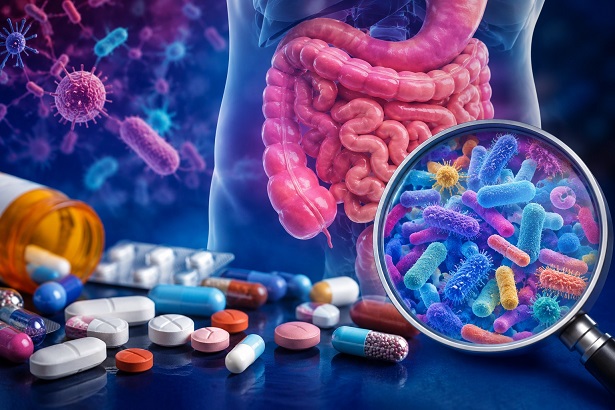 Scientists warn that popular medications for acid reflux, diabetes, pain, cholesterol, and anemia may quietly reshape
gut bacteria and influence long-term health
The study was conducted by scientists from the Research Centre in the Medical-Pharmaceutical Field and the Faculty of Medicine and Pharmacy at “Dunărea de Jos” University of Galați in Romania, along with researchers from “Sf. Cuvioasa Parascheva” Clinical Hospital of Infectious Diseases, “Sf. Ioan” Clinical Emergency Pediatric Hospital, and “Sf. Apostol Andrei” Emergency Clinical Hospital.
The Gut Microbiome Is More Important Than Previously Believed
Over the last decade, scientists have increasingly described the gut microbiome as a “second genome” because of its enormous influence on human health. The intestines contain trillions of microorganisms that help digest food, regulate immunity, produce vitamins, influence hormones, and even affect brain function.
Researchers explained that the microbial population inside the body contains far more genes than the human genome itself. These bacteria also possess powerful biochemical capabilities that can alter drugs after they are swallowed. Some microbes can activate medications, others can weaken their effects, while some can generate toxic byproducts that contribute to side effects.
The review focused on six major categories of non-antibiotic drugs: proton pump inhibitors (PPIs), metformin, NSAID painkillers, statins, SGLT2 inhibitors, and oral iron supplements. The scientists analyzed studies published between 2015 and 2024, including large population studies and clinical trials involving thousands of participants.
Acid Reflux Drugs May Trigger Dangerous Gut Changes
One of the strongest and most concerning findings involved proton pump inhibitors, which are among the most widely used medications globally. These drugs include omeprazole, esomeprazole, pantoprazole, lansoprazole, and rabeprazole.
PPIs reduce stomach acid production to treat acid reflux and ulcers. However, stomach acid also acts as one of the body’s primary defense systems against invading bacteria. When acid levels drop too low, bacteria from the mouth are able to survive and travel into the intestines.
Researchers described this as the “oralization of the gut,” meaning that microbes normally found in the mouth begin colonizing the intestinal tract. Studies consistently showed increased levels of Streptococcus, Enterococcus, Staphylococcus, Rothia, and Veillo
nella in PPI users. At the same time, beneficial bacteria that normally help suppress harmful pathogens were reduced.
Scientists noted that the microbial shifts seen in PPI users closely resemble bacterial patterns associated with Clostridioides difficile infection, a dangerous intestinal infection that can cause severe diarrhea and life-threatening complications.
One major study involving more than 1,800 individuals found that PPI use altered nearly 20 percent of detectable bacterial taxa in the gut microbiome. Another study showed that even healthy volunteers taking omeprazole for only four weeks developed substantial bacterial changes associated with infection risk.
Researchers also warned that long-term PPI use may contribute to small intestinal bacterial overgrowth, pneumonia, impaired nutrient absorption, and increased intestinal permeability.
Metformin Appears to Work Partly Through Gut Bacteria
The review also revealed that metformin’s benefits may depend heavily on changes it creates within the gut microbiome.
Metformin, used by more than 150 million people worldwide for type 2 diabetes, was found to increase levels of Akkermansia muciniphila, a bacterium strongly associated with improved metabolism, reduced inflammation, and stronger intestinal barrier function.
The drug also boosted populations of bacteria that produce butyrate, an important short-chain fatty acid that nourishes intestinal cells and improves insulin sensitivity.
Scientists explained that metformin appears to alter bile acid signaling pathways through microbial interactions. Some of the drug’s glucose-lowering effects may therefore come not directly from the drug itself, but from the bacterial and metabolic changes it triggers inside the intestines.
Interestingly, the researchers suggested that future diabetes therapies may increasingly focus on manipulating gut bacteria alongside traditional medications.
This
Medical News report highlights how scientists are beginning to view gut bacteria as an active partner in drug therapy rather than a passive bystander.
Painkillers Can Damage the Gut Barrier
Non-steroidal anti-inflammatory drugs (NSAIDs) such as ibuprofen, naproxen, and diclofenac were also shown to negatively affect gut bacteria and intestinal integrity.
According to the review, NSAIDs reduce protective prostaglandins in the digestive tract, weakening the intestinal lining and promoting inflammation. The drugs were linked to reduced populations of beneficial anti-inflammatory bacteria such as Faecalibacterium prausnitzii.
Researchers warned that combining NSAIDs with PPIs may produce especially harmful microbiome disturbances, increasing the risk of intestinal injury and chronic inflammation.
Iron Supplements Feed Harmful Bacteria
The review also identified significant microbiome concerns linked to oral iron supplements.
Because much of the iron consumed through supplements is not fully absorbed, excess iron reaches the colon where it can promote the growth of potentially dangerous bacteria including Enterobacteriaceae. At the same time, populations of beneficial microbes decline.
Clinical studies in children showed that iron supplementation increased intestinal inflammation markers and promoted bacterial strains associated with diarrhea and gastrointestinal infections. Researchers suggested that this may explain why many people experience bloating, constipation, diarrhea, and stomach discomfort while taking iron tablets.
Cholesterol Drugs and New Diabetes Drugs Show Mixed Effects
Statins used for cholesterol control appeared to have some potentially positive microbiome effects. Several studies linked statin use with lower levels of inflammatory bacterial patterns associated with obesity and metabolic disease.
However, findings involving newer SGLT2 inhibitor diabetes drugs such as empagliflozin and dapagliflozin were inconsistent. Some studies showed beneficial bacterial changes while others found little measurable impact.
Researchers said larger and longer-term studies are urgently needed to better understand how these newer medications influence the microbiome.
Scientists Warn About Hidden Drug Interactions Inside the Gut
One of the most important conclusions from the review is that medications may interact with each other indirectly through their effects on gut bacteria.
Many older adults take multiple medications simultaneously, including PPIs, diabetes drugs, statins, painkillers, and iron supplements. Researchers warned that these combinations may create complex microbial disruptions that traditional drug safety testing does not fully capture.
The authors stressed that future medicine may require a completely new approach where physicians evaluate not only how drugs interact chemically inside the body, but also how they interact biologically through the microbiome.
Conclusions
The researchers concluded that the gut microbiome is emerging as one of the most important hidden factors influencing modern medicine. Commonly prescribed non-antibiotic drugs are capable of dramatically reshaping intestinal bacterial communities, sometimes in ways that improve health and sometimes in ways that increase disease risk. These microbial shifts may alter drug effectiveness, trigger side effects, weaken immune defenses, or worsen chronic inflammation. The findings strongly suggest that future healthcare strategies could include microbiome monitoring, personalized prescribing, targeted probiotics, specialized diets, and microbiome-focused therapies designed to reduce medication-related harm while improving treatment outcomes. Scientists also emphasized that physicians may eventually need to consider gut microbiome status before prescribing long-term drug therapies, especially in elderly patients exposed to polypharmacy.
The study findings were published in the peer reviewed journal: Pharmaceutics.
https://www.mdpi.com/1999-4923/18/6/651
For the latest on the effects of various drugs on the gut microbiome, keep on logging to Thailand
Medical News.
Read Also:
https://www.thailandmedical.news/articles/med-news




 Share
Share
 Tweet
Tweet
 Share
Share