Nikhil Prasad Fact checked by:Thailand Medical News Team May 26, 2026 4 months, 2 weeks, 3 days, 20 hours, 5 minutes ago
Medical News: A major new study is raising fresh concerns about a widely used group of antibiotics after researchers found strong links to anxiety, insomnia, hallucinations, nerve damage, and other troubling brain-related side effects. The findings come from a massive 16-year analysis of nearly 96,000 safety reports tied to three common fluoroquinolone antibiotics: Ciprofloxacin, Levofloxacin, and Moxifloxacin.
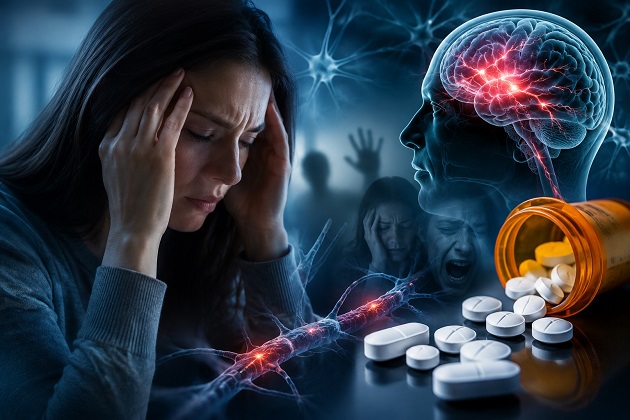 Major new study warns that common antibiotics may trigger anxiety, hallucinations, insomnia, and long-lasting nerve damage
Researchers from the Pharmaceutical and Therapeutic Chemistry Department and the Marketing, Management and Sustainability Department at the George Emil Palade University of Medicine, Pharmacy, Science, and Technology of Târgu Mureș in Romania examined data from the U.S. FDA Adverse Event Reporting System between 2010 and 2025. Their work paints a worrying picture of how these antibiotics may affect both the brain and nervous system.
Serious Mental and Nerve Problems Identified
Fluoroquinolones are commonly prescribed for urinary tract infections, pneumonia, skin infections, gastrointestinal infections, and other bacterial illnesses. Although effective, they have already been associated with severe side effects involving tendons, muscles, joints, and nerves. The latest study focused specifically on neuropsychiatric complications.
The researchers analyzed 95,968 individual safety reports and identified more than 46,000 neuropsychiatric adverse reactions. Neurological problems accounted for 58 percent of reports, while psychiatric complications made up 42 percent.
Levofloxacin generated the highest number of reports overall, while Moxifloxacin showed the fastest growth in reported neuropsychiatric complications over recent years.
Among the most alarming findings was the strong link between these drugs and peripheral neuropathy, a condition involving nerve damage that can cause burning pain, numbness, tingling, weakness, or loss of sensation in the limbs. The study found that peripheral neuropathy was the strongest neurological safety signal for both Levofloxacin and Moxifloxacin.
Ciprofloxacin showed a different pattern. It was more strongly associated with central nervous system effects such as headaches, dizziness, panic attacks, hallucinations, anxiety, and sensory disturbances.
Anxiety And Insomnia Were Common
The psychiatric side effects were equally concerning. Anxiety was the most frequently reported psychiatric reaction linked to Ciprofloxacin and Moxifloxacin, while insomnia was especially common among Levofloxacin users.
The researchers documented thousands of reports involving depression, confusion, delirium, hallucinations, suicidal thoughts, psychotic disorders, panic attacks, and severe sleep disturbances.
One especially troubling discovery was that some psychiatric symptoms appeared very rapidly after patients started taking the antibiotics. The study reviewed previous medical reports describing healthy individuals who suddenly developed hallucinations, psychosis, severe anxiety, agitation, nightmares, and derealization
shortly after beginning treatment.
In several cases, symptoms disappeared after the antibiotics were stopped, strongly suggesting a direct drug-related effect.
Women And Older Adults Were Frequently Affected
The study also found that women represented a slightly larger proportion of reported cases than men. Adults between 18 and 64 years old accounted for the largest number of reports, although older adults aged 65 to 85 were also heavily represented.
Researchers warned that elderly patients and people taking medications affecting the brain may face higher risks. Patients with kidney problems, neurological disorders, or existing mental health conditions may also be especially vulnerable.
This
Medical News report highlights growing evidence that fluoroquinolones may affect the brain through disruption of important chemical signaling systems. Scientists believe these antibiotics may block GABA receptors in the brain while overstimulating NMDA receptors. This imbalance can overstimulate the nervous system and potentially trigger anxiety, confusion, hallucinations, seizures, and psychiatric disturbances.
Drug Risks Were Not Equal
A key conclusion from the study was that these antibiotics should not be viewed as having identical safety profiles.
Levofloxacin and Moxifloxacin showed especially strong associations with peripheral nerve damage and confusion-related symptoms. Ciprofloxacin appeared to have a stronger connection with anxiety, panic attacks, hallucinations, and other central nervous system effects.
The researchers emphasized that doctors should carefully weigh the risks and benefits before prescribing these medications, especially for mild infections where safer alternatives may be available.
Conclusions
The study provides some of the strongest large-scale evidence so far that fluoroquinolone antibiotics can trigger serious neuropsychiatric side effects that differ significantly from one drug to another. The findings suggest these reactions are not rare isolated incidents but part of a broader safety problem that may still be underrecognized in clinical practice. Researchers are urging greater awareness among physicians and patients, more cautious prescribing practices, and closer monitoring of anyone taking these antibiotics, particularly vulnerable individuals such as older adults or those with pre-existing neurological or psychiatric conditions.
The study findings were published in the peer reviewed journal: Pharmaceuticals.
https://www.mdpi.com/1424-8247/19/6/820
For the latest drug news, keep on logging to Thailand
Medical News.
Read Also:
https://www.thailandmedical.news/articles/med-news
https://www.thailandmedical.news/articles/mental-health




 Share
Share
 Tweet
Tweet
 Share
Share