Thailand Medical Study Finds That Apigenin Helps Reduce Dangerous Heart Damage During Chemotherapy
Nikhil Prasad Fact checked by:Thailand Medical News Team Jul 03, 2026 3 months, 6 days, 20 hours, 8 minutes ago
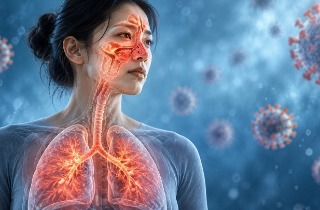
Thailand Medical: Scientists in Thailand have discovered that apigenin, a natural plant compound found in foods such as parsley, celery, chamomile, and oranges, may help protect the heart from damage caused by the widely used chemotherapy drug cisplatin. The Thailand Medical Study suggests that apigenin could reduce inflammation, oxidative stress, and heart cell death while preserving normal heart function in laboratory animals.
 A Thailand Medical Study shows that the natural flavonoid apigenin may help protect the heart from
chemotherapy-induced damage by reducing oxidative stress, inflammation, and heart cell death
The research was conducted by
Thailand Medical scientists from Walailak University, Vongchavalitkul University, University of Phayao, and Chiang Mai University, all in Thailand.
Why Cisplatin Can Harm the Heart
Cisplatin is one of the most effective chemotherapy drugs used to treat cancers including lung, ovarian, colon, and testicular cancer. While it can save lives by destroying cancer cells, it can also damage healthy organs. Although kidney injury is a well-known side effect, heart damage has become an increasing concern because it can weaken the heart's ability to pump blood and increase the risk of long-term cardiovascular problems.
Researchers wanted to determine whether apigenin could protect the heart by targeting a little-understood biological pathway known as CD38-Sirt3, which plays an important role in maintaining healthy energy production and defending cells against harmful oxidative stress.
Apigenin Delivered Remarkable Heart Protection
The researchers treated rats with cisplatin and found clear evidence of heart damage. Heart pumping ability declined significantly, while blood markers indicating cardiac injury rose sharply. The animals also developed high levels of oxidative stress, excessive inflammation, and increased death of heart muscle cells.
However, rats given apigenin before receiving cisplatin experienced striking improvements. Their hearts pumped more efficiently, and levels of important heart injury markers, including LDH and CK-MB, were greatly reduced. The natural compound also restored antioxidant defenses by lowering harmful lipid oxidation while increasing glutathione, one of the body's most important protective antioxidants.
Importantly, apigenin also reversed abnormal changes in the CD38-Sirt3 signaling pathway. Cisplatin increased CD38 while suppressing Sirt3 and SOD2, proteins that normally protect heart cells from oxidative damage. By restoring this pathway, apigenin appeared to strengthen the heart's natural defense mechanisms against chemotherapy-induced injury.
Less Inflammation and Fewer Dying Heart Cells
This Medical News report also highlights that apigenin dramatically reduced inflammatory activity inside heart tissue. Levels of inflammatory molecules including TNF-alpha, IL-1 beta, TLR-4, and activated NF-kB all fell afte
r treatment. Tissue examination showed far fewer inflammatory cells invading the heart, while the overall structure of the heart muscle remained much healthier.
The study further demonstrated that apigenin reduced programmed cell death, or apoptosis. Key proteins responsible for triggering heart cell death, including Bax and cleaved caspase-3, were significantly lowered, while protective proteins increased. Together, these findings indicate that apigenin protected heart tissue through multiple complementary biological mechanisms rather than a single pathway.
Conclusion
Although these findings were obtained in rats and human clinical trials are still needed, the results are highly encouraging. The study is the first to link cisplatin-induced heart damage with disruption of the CD38-Sirt3 signaling pathway while demonstrating that apigenin can reverse many of these harmful changes. If future studies confirm similar benefits in people, this naturally occurring flavonoid could eventually become an important supportive therapy for cancer patients receiving cisplatin, helping preserve heart function without reducing the drug's cancer-fighting effectiveness.
The study findings were published in the peer reviewed journal: Molecules.
https://www.mdpi.com/1420-3049/31/13/2300
For the latest Thai medical research, keep on logging to
Thailand Medical News.
Read Also:
https://www.thailandmedical.news/articles/thailand-medical
https://www.thailandmedical.news/articles/herbs-and-phytochemicals




 Share
Share
 Tweet
Tweet
 Share
Share