Nikhil Prasad Fact checked by:Thailand Medical News Team Apr 22, 2026 3 months, 1 day, 23 hours, 18 minutes ago
Medical News:
New mRNA technique boosts healing signals in tiny cell particles
A breakthrough study has revealed a promising new way to protect blood vessels and potentially treat serious conditions like heart disease, stroke, and chronic wounds. Scientists have successfully engineered tiny particles released by stem cells to carry powerful healing signals, dramatically improving their ability to keep vital cells alive under stress.
Researchers from the Department of Laboratory Medicine and Pathology at Mayo Clinic in Jacksonville, Florida, USA, led by Cuiping Zhang, Peng Huang, Matthew Pak, Jennifer A. Korchak, and Abba C. Zubair, have developed a novel method to enhance the natural healing properties of mesenchymal stem cells (MSCs).
A New Approach to Cell-Free Therapy
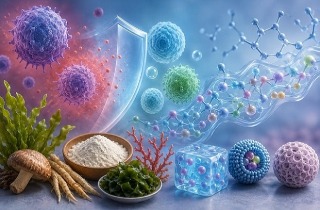
Instead of using whole stem cells, the team focused on extracellular vesicles (EVs), which are microscopic packages released by cells. These vesicles carry proteins, genetic material, and signaling molecules that help repair damaged tissues. EV-based therapies are gaining attention because they are safer, easier to control, and less likely to trigger immune reactions compared to whole-cell treatments.
The researchers modified stem cells by introducing messenger RNA (mRNA) that codes for vascular endothelial growth factor (VEGF), a key molecule that promotes blood vessel growth and protects cells from dying. These engineered stem cells then produced EVs enriched with VEGF.
Dramatic Boost in Healing Signals
The results were striking. According to data shown in the chart on page 7, VEGF levels in engineered cells surged more than 20,000-fold within just one day. Protein levels also increased sharply, reaching nearly 180 times higher than normal. However, this boost was temporary, peaking within 24 hours and gradually declining afterward.
The EVs produced during this peak period carried significantly higher amounts of VEGF. Further analysis revealed that these engineered vesicles contained about 800 times more VEGF mRNA and around 50 times more VEGF protein than standard EVs.
Stronger Protection Against Cell Death
The team then tested how well these enhanced EVs could protect human endothelial cells—the cells lining blood vessels—from damage. These cells were exposed to stress conditions designed to trigger apoptosis, a form of programmed cell death.
The findings showed that EVs from engineered stem cells were far more effective than normal EVs. In experiments detailed in the graphs on page 12, the enhanced vesicles reduced cell death significantly, outperforming both untreated cells and those given standard EVs. Even when compared to direct VEGF treatment, the engineered EVs delivered superior protection.
This
Medical News report highlights that the protective effects were dose-dependent, meaning higher concentrations of EVs led to better outcomes. Importantly, the benefits were not due to VEGF alone. The vesicles likely carried additional helpful molecules, such as microRNAs and proteins, which worked together to enhance cell survival.
Boosting Blood Vessel Growth
Beyond preventing cell death, the engineered EVs also promoted the formation of new blood vessels. In labora
tory angiogenesis tests, the treated cells formed longer and more complex vascular networks. The effect increased with higher VEGF concentrations, confirming that the engineered vesicles remained biologically active and effective.
Why This Matters
This innovation represents a major step forward in regenerative medicine. By enhancing EVs with VEGF mRNA, scientists have created a more potent, targeted therapy that could improve recovery in conditions caused by poor blood flow, such as heart attacks, strokes, and diabetic wounds.
Conclusion
The study provides strong evidence that engineering stem cells with VEGF mRNA can significantly enhance the healing power of their extracellular vesicles. These modified vesicles not only carry higher levels of critical growth factors but also show superior ability to protect and repair damaged blood vessel cells. While the findings are still at the laboratory stage, they open the door to safer and more effective treatments for a wide range of ischemic diseases. Future research will be needed to confirm safety, optimize dosing, and test these therapies in real patients, but the potential is undeniably exciting.
The study findings were published in the peer reviewed journal: Cells.
https://www.mdpi.com/2073-4409/15/8/717
For the latest on stem cell therapies and research, keep on logging to Thailand
Medical News.
Read Also:
https://www.thailandmedical.news/articles/stem-cell-therapies




 Share
Share
 Tweet
Tweet
 Share
Share