Nikhil Prasad Fact checked by:Thailand Medical News Team Apr 19, 2026 5 months, 2 days, 3 hours, 11 minutes ago
Medical News: A growing body of medical evidence is raising serious concerns about widely prescribed antipsychotic medications and their potential to trigger life threatening diabetic emergencies. A new systematic review has found that both older and newer antipsychotic drugs may significantly increase the risk of conditions such as diabetic ketoacidosis and hyperglycemic hyperosmolar state, two severe complications linked to dangerously high blood sugar levels.
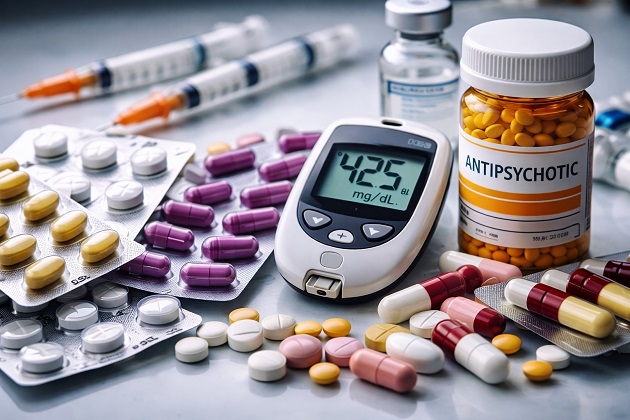 Antipsychotics may trigger life threatening blood sugar emergencies in vulnerable patients
Understanding the Medications and Their Use
Antipsychotics may trigger life threatening blood sugar emergencies in vulnerable patients
Understanding the Medications and Their Use
Antipsychotic drugs are commonly used to treat mental health conditions such as schizophrenia, bipolar disorder and severe depression. These medications are broadly divided into first generation and second-generation types. While newer second-generation drugs are often preferred due to fewer movement related side effects, they have increasingly been associated with metabolic problems including weight gain and high blood sugar.
The researchers behind this study came from multiple institutions including the School of Epidemiology and Public Health at the University of Ottawa, the School of Mathematics and Statistics at Carleton University, the Data Literacy Research Institute at the University of Ottawa, Risk Sciences International in Ottawa, the Arnold School of Public Health at the University of South Carolina, and the Department of Medicine and Division of Endocrinology at the University of Toronto and St. Michael’s Hospital in Canada.
What the Study Found
The study analyzed 151 detailed patient case reports involving individuals who developed serious diabetic complications while taking antipsychotic medications. Of these cases, 123 involved diabetic ketoacidosis while 30 involved hyperglycemic hyperosmolar state, with a small number experiencing both conditions simultaneously.
The findings revealed that men accounted for the majority of cases, and the highest risk group appeared to be individuals aged between 30 and 39 years. Schizophrenia was the most common underlying condition among patients affected.
Notably, one drug stood out. Olanzapine was linked to the largest number of cases, followed by clozapine, quetiapine and risperidone. These drugs belong to the newer class of second-generation antipsychotics.
Blood sugar levels recorded in these patients were extremely high. In many cases of diabetic ketoacidosis, average glucose levels exceeded 800 mg per deciliter, while in hyperglycemic hyperosmolar state, levels were often above 1200 mg per deciliter. These are far beyond normal ranges and indicate a medical emergency.
Why These Complications Are So Dangerous
Diabetic ketoacidosis occurs when the body lacks enough insulin and starts breaking down fat for energy, producing harmful acids called ketones. This can lead to vomiting, confusion, coma and even death if untreated. Hyperglycemic hyperosmolar state, while less common, is even more deadly and involves extreme dehydration and very high blood sugar without significant ketone buildup.
Alarming
ly, the review identified multiple fatalities linked to these complications, with some cases directly associated with specific antipsychotic drugs.
A Critical Gap in Awareness and Monitoring
Despite these risks, many patients and even some healthcare providers may not be fully aware of the metabolic dangers linked to these medications. This
Medical News report highlights the importance of regular monitoring of blood glucose and HbA1c levels, especially during the first year of treatment or when medications are changed.
Key Takeaways and Real-World Impact
The study also found that in over 70 percent of cases, patients were taking only one antipsychotic drug, suggesting that even single drug therapy can carry significant risk. In many instances, doctors discontinued the medication after the complication occurred, and some patients were switched to alternative treatments.
The findings underline the importance of early detection. Symptoms such as excessive thirst, frequent urination, nausea and unusual fatigue should never be ignored, particularly in individuals taking antipsychotic medications.
Conclusion
This study provides compelling evidence that antipsychotic medications, particularly second-generation drugs, can trigger severe and potentially fatal diabetic emergencies even in patients without a prior history of diabetes. The findings stress the urgent need for routine metabolic screening, better patient education and closer coordination between mental health professionals and primary care providers. Clinicians must weigh the psychiatric benefits against metabolic risks and ensure patients are carefully monitored throughout treatment. Greater awareness and early intervention could significantly reduce preventable complications and save lives.
The study findings were published in the peer reviewed Journal of Clinical Medicine.
https://www.mdpi.com/2077-0383/15/8/3107
For the latest on the adverse effects of antipsychotic drug news, keep on logging to Thailand
Medical News.
Read Also:
https://www.thailandmedical.news/articles/med-news




 Share
Share
 Tweet
Tweet
 Share
Share