Nikhil Prasad Fact checked by:Thailand Medical News Team Feb 04, 2026 8 months, 1 week, 1 day, 17 hours, 7 minutes ago
Medical News: Panobinostat Shows Promise in Fighting Drug Resistant Stomach Cancer
Gastric cancer remains one of the world’s deadliest cancers, largely because many patients eventually stop responding to standard chemotherapy. One of the most widely used drugs, 5 fluorouracil, often loses its effectiveness over time as cancer cells adapt and survive. Now, researchers from South Korea have uncovered encouraging evidence that an existing epigenetic drug could help restore and even strengthen the power of this long-used treatment.
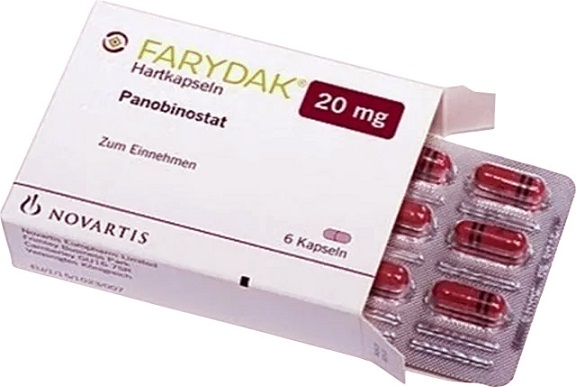 Laboratory research shows how panobinostat may restore chemotherapy effectiveness in gastric cancer by blocking drug resistance pathways
.
This
Medical News report highlights new laboratory findings showing that panobinostat, a drug already known for its cancer fighting properties, can significantly enhance the effects of 5 fluorouracil against gastric cancer cells by blocking a key resistance mechanism.
Why Chemotherapy Often Fails in Gastric Cancer
5 fluorouracil works by blocking an enzyme called thymidylate synthase, which cancer cells need to make DNA and survive. However, many gastric cancer cells respond by producing more of this enzyme, allowing them to escape the drug’s effects. This increase in thymidylate synthase is one of the main reasons chemotherapy becomes less effective over time.
How Panobinostat Changes the Equation
In the study, scientists treated several gastric cancer cell lines with panobinostat, either alone or together with 5 fluorouracil. Panobinostat alone reduced cancer cell growth, slowed their movement, disrupted their energy producing mitochondria, and triggered programmed cell death. More importantly, when combined with 5 fluorouracil, the effects were far stronger than either drug alone.
The combination caused a dramatic drop in cancer cell survival and led to a sharp rise in cancer cell death. Panobinostat prevented the usual increase in thymidylate synthase that occurs after 5 fluorouracil treatment, effectively cutting off one of the cancer’s main escape routes.
Key Molecular Changes Observed
The researchers also found that panobinostat reduced levels of cancer promoting proteins such as c Myc and several cell cycle regulators. These proteins normally help cancer cells grow quickly and repair damage. By suppressing them, panobinostat made cancer cells far more vulnerable to chemotherapy. At the same time, genes that help activate 5 fluorouracil inside cells were increased, further boosting the drug’s impact.
Why These Findings Matter
What makes this research especially important is that it shows resistance to chemotherapy may begin earlier than previously thought, even in cells that are not yet classified as drug resistant. By blocking this early defense response, panobinostat could help extend the usefulness of existing chemotherapy regimens.
Institutions Involved<
br />
The research was conducted by scientists from the Department of Science Education, Ewha Womans University, Seoul, Republic of Korea.
Conclusions
Overall, the findings suggest that panobinostat does more than simply kill gastric cancer cells on its own. It actively rewires cancer cell behavior, shuts down a major resistance pathway, and allows 5 fluorouracil to work far more effectively. While further animal and clinical studies are still needed, this combination approach could eventually offer new hope for patients facing limited treatment options due to chemotherapy resistance.
The study findings were published in the peer reviewed International Journal of Molecular Sciences.
https://www.mdpi.com/1422-0067/27/3/1516
For the latest on Gastric Cancer, keep on logging to Thailand
Medical News.
Read Also:
https://www.thailandmedical.news/articles/cancer




 Share
Share
 Tweet
Tweet
 Share
Share