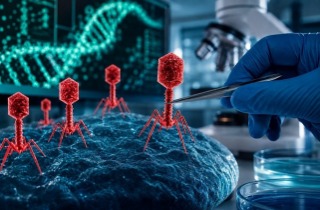
Thailand Should Invest into Biotech Manufacturing, Medical and Pharma Research to Become the Next Global Pharma Hub
Nikhil Prasad Fact checked by:Thailand Medical News Team Mar 16, 2026 6 months, 5 days, 18 hours, 40 minutes ago
Thailand Medical:
Thailand’s Untapped Potential in Global Pharmaceuticals
Thailand is uniquely positioned to transform itself into one of the world’s major pharmaceutical manufacturing and biotechnology hubs. Despite possessing strong healthcare infrastructure, skilled professionals, and a growing pharmaceutical sector, the country’s export footprint in global drug markets remains relatively modest. In 2024, Thailand’s pharmaceutical exports were estimated to range between approximately USD 638 million and USD 766 million, placing the nation around 42nd globally among pharmaceutical exporters.
 Thailand Should Invest into Biotech Manufacturing, Medical and Pharma Research to Become the Next Global Pharma Hub
While this reflects steady progress, the figure remains far behind global leaders such as India and China, which dominate international supply chains for generic medicines and active pharmaceutical ingredients (APIs). Experts increasingly argue that Thailand must significantly expand investments in biotech manufacturing, pharmaceutical research, and domestic API production if it wants to compete in global drug markets. By doing so, the country could rapidly scale production capacity and supply affordable, high-quality medicines to emerging markets across ASEAN, Africa, Latin America, and the Middle East.
A Pharmaceutical Industry Already on the Rise
Thailand’s pharmaceutical sector is already experiencing strong growth. The industry is estimated to be worth about USD 9.6 billion in 2025 and is projected to reach approximately USD 17.2 billion by 2033, representing a compound annual growth rate of around 7.6 percent.
Biopharmaceuticals are also expanding rapidly. Market projections suggest the biopharmaceutical segment could increase from roughly USD 1.99 billion in 2025 to nearly USD 3.76 billion by 2033. This growth reflects rising demand for advanced therapeutics such as biologics, biosimilars, and vaccines.
However, most of Thailand’s pharmaceutical output still serves domestic demand. Around 90 percent of locally manufactured drugs are consumed within the country, while only about 10 percent are exported. This imbalance suggests a significant opportunity to pivot toward export-oriented manufacturing.
Strategic Position in Global Supply Chains
Thailand’s geographic location in Southeast Asia provides a major advantage in pharmaceutical logistics and manufacturing. The country sits between two of the world’s largest pharmaceutical supply networks—India and China—which dominate the global production of active pharmaceutical ingredients.
Thailand imports a substantial portion of its pharmaceutical intermediates from these countries. In 2024 alone, imports of pharmaceutical products from India reached roughly USD 191 million, while China remains another critical supplier of chemical intermediates used in drug production. Currently, about 65 to 70 percent of Thailand’s APIs are imported.
Rather than being a disadvantage, this supply rela
tionship could become a strategic advantage. Thailand could import raw materials and intermediates at competitive costs, manufacture finished generic medicines domestically under internationally recognized GMP standards, and then export those products worldwide.
Government Policies and Investment Incentives
The Thai government has already begun laying the groundwork for a stronger pharmaceutical manufacturing sector. Through the Board of Investment, companies involved in pharmaceutical production, biotechnology development, and advanced medical technologies can receive corporate income tax exemptions of up to ten years.
Large-scale investments are gradually emerging. The Eastern Economic Corridor has become a focal point for biotechnology manufacturing and pharmaceutical research facilities. This industrial zone offers advanced infrastructure, efficient logistics networks, and incentives aimed at attracting multinational pharmaceutical companies.
Public-private partnerships are also expanding. Firms such as Siam Bioscience and other biotechnology developers are investing in facilities capable of producing vaccines and complex biologic medicines, helping position Thailand as a future regional supplier of advanced therapeutics.
Workforce Strength and Manufacturing Competitiveness
Another key advantage lies in Thailand’s skilled workforce. The country hosts more than 151 Good Manufacturing Practice-certified pharmaceutical manufacturing facilities, staffed by trained pharmacists, engineers, technicians, and laboratory specialists.
Universities and research institutions—including Mahidol University, Chulalongkorn University, King Mongkut’s University of Technology, and the Thailand Center of Excellence for Life Sciences—continue to produce highly trained professionals for the pharmaceutical sector.
Manufacturing costs remain competitive compared with several global production centers. Monthly wages in pharmaceutical manufacturing typically range between USD 300 and USD 450, allowing companies to maintain quality production while remaining cost efficient.
Expanding Biotechnology and Innovation Capacity
Biotechnology is rapidly becoming a cornerstone of Thailand’s pharmaceutical ambitions. The government’s Thailand 4.0 and Bio-Circular-Green initiatives emphasize biotech innovation, biologics production, and vaccine development.
Contract pharmaceutical manufacturing is also expanding, with the market reaching approximately USD 1.9 billion in value. Meanwhile, generic medicines are expected to account for nearly half of Thailand’s pharmaceutical market by 2034.
This
Thailand Medical News report highlights that with stronger investments in biotech manufacturing, API production, and pharmaceutical research, Thailand could dramatically increase its capacity to produce both generic and complex medicines for international markets.
Building a Future Global Pharmaceutical Hub
Thailand’s path toward becoming a global pharmaceutical manufacturing powerhouse requires a deliberate shift toward research-driven production and export expansion. Developing domestic API manufacturing capabilities will be critical to reducing reliance on imports while improving supply security.
Expanding research funding, encouraging biotechnology innovation, and strengthening partnerships between academia and industry will allow Thailand to move into higher-value segments of drug development. With its strategic location, skilled workforce, strong regulatory standards, and supportive government policies, the country possesses the foundations needed to evolve into a major global supplier of affordable medicines. Sustained investment in pharmaceutical research, biotech manufacturing, and advanced drug production could significantly increase export revenues while strengthening Thailand’s role in global healthcare supply chains.
For the latest on Thailand’s Medical, Pharma and Biotech industry, keep on logging to
Thailand Medical News.
Read Also:
https://www.thailandmedical.news/articles/thailand-medical




 Share
Share
 Tweet
Tweet
 Share
Share