International Study Finds That Immune Antibodies Are Quietly Driving Brain Degeneration
Nikhil Prasad Fact checked by:Thailand Medical News Team Jan 28, 2026 8 months, 1 week, 4 days, 13 hours, 33 minutes ago
Medical News: A groundbreaking new study has revealed that hidden immune system antibodies circulating in the blood may play a far bigger role in brain degeneration than previously understood. Researchers have uncovered a shared immune signature linking Alzheimer’s disease, Parkinson’s disease, and multiple sclerosis, offering fresh insight into why these devastating conditions progress and why treatments aimed at single brain chemicals often fail.
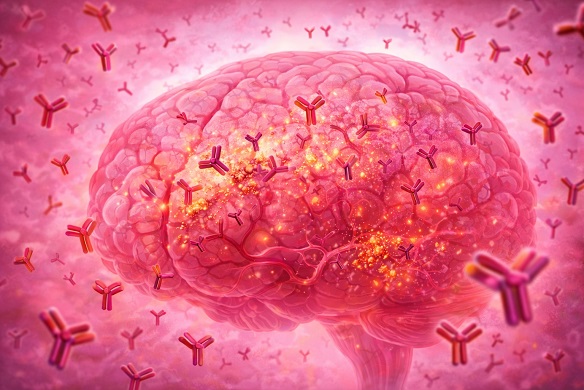 New research reveals how misdirected immune antibodies may disrupt brain communication and fuel
Alzheimer’s, Parkinson’s and multiple sclerosis
A Fresh Look at Brain Diseases Through the Immune System
Neurodegenerative diseases have long been viewed mainly as disorders of dying brain cells. However, this
Medical News report highlights evidence that the immune system, particularly autoantibodies that mistakenly target the body’s own proteins, may be deeply involved. These autoantibodies form what scientists call the “autoantibodyome,” a complex fingerprint of immune activity that reflects what is happening throughout the body, including the brain.
The research team analyzed blood samples from nearly 600 individuals, including patients with Alzheimer’s disease, Parkinson’s disease, multiple sclerosis, and healthy controls. Instead of collecting new samples, the scientists reanalyzed large publicly available datasets using advanced systems biology tools, allowing them to compare immune patterns across different diseases and stages.
Shared Immune Signals Across Different Brain Disorders
One of the most striking findings was that all three diseases showed similar immune disruptions. Autoantibodies were found to target proteins involved in maintaining the blood brain barrier, a protective wall that normally prevents harmful substances from entering the brain. Damage to this barrier may allow immune molecules to enter the brain and worsen inflammation and nerve damage.
The study also found heightened immune activation, especially involving white blood cells, alongside reduced protective immune signals. These patterns suggest that neurodegeneration may reflect a widespread imbalance in the body rather than damage limited only to the brain.
Antibodies Target Brain Communication Pathways
Crucially, the researchers discovered that many autoantibodies were aimed at synapses, the tiny junctions where brain cells communicate. These antibodies targeted key neurotransmitter systems, including GABA, glutamate, dopamine, and serotonin, which control memory, movement, mood, and perception.
In Alzheimer’s disease, immune signals were linked to memory-related pathways. In Parkinson’s disease, they were associated with muscle movement and motor control. In multiple sclerosis, antibodies reflected pathways related to pain and sensory processing. This explains why very different symptoms may share a common immune-driv
en origin.
Institutions Behind the Research
The study involved scientists from the University of São Paulo School of Medicine, University of São Paulo Institute of Biomedical Sciences, Federal University of Rio Grande do Norte, Hospital Israelita Albert Einstein in Brazil, Charité Universitätsmedizin Berlin and the Berlin Institute of Health in Germany, University of Lübeck in Germany, Harvard Medical School and Brigham and Women’s Hospital in the United States, and Khyber Medical University in Pakistan.
Why These Findings Matter
The conclusions of the study are significant. They suggest that neurodegenerative diseases should be understood as whole-body immune disorders rather than isolated brain problems. This broader view may explain why drugs targeting only one brain chemical have had limited success. By focusing on immune balance and antibody activity, future therapies could potentially slow disease progression or identify illness much earlier using simple blood tests.
The study findings were published in the peer reviewed journal: iScience.
https://www.sciencedirect.com/science/article/pii/S2589004226001562
For the latest on Brain Degeneration Diseases, keep on logging to Thailand
Medical News.
Read Also:
https://www.thailandmedical.news/articles/alzheimer,-dementia-




 Share
Share
 Tweet
Tweet
 Share
Share