Thailand Medical Experts Question if MOPH is Using Trump’s War as an Excuse for Limiting Treatments and Drugs
Nikhil Prasad Fact checked by:Thailand Medical News Team Mar 26, 2026 1 hour, 29 minutes ago
Thailand Medical: A growing controversy has emerged in Thailand after reports surfaced that the Ministry of Public Health is planning to limit certain medical treatments and tighten control over pharmaceutical use, citing disruptions linked to the ongoing Middle-East conflict.
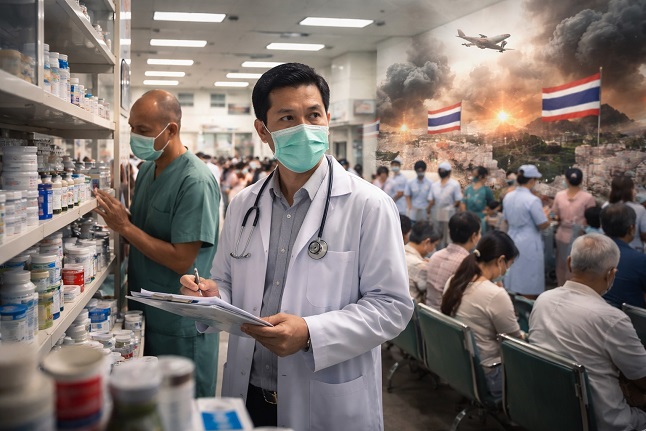 Debate grows as Thailand links healthcare limits to global conflict amid deeper systemic concerns
According to a report published by a local English-language media outlet—whose journalists appear to lack both investigative rigor and the ability to ask critical, informed questions, as well as sufficient knowledge of the sectors they cover—it was claimed that the Ministry of Public Health has begun limiting treatments and medications at various public hospitals nationwide, attributing the situation to the ongoing Middle East war, which is only in its 25th day.
The situation has sparked skepticism among
Thailand Medical experts and observers who question whether a war barely 25 days old could realistically cause such immediate and widespread strain on Thailand’s healthcare system.
Policy Shift Raises Eyebrows
According to officials, the ministry intends to prioritize essential treatments, reduce unnecessary hospital admissions, and expand telemedicine services to ease pressure on public hospitals. However, critics argue that these measures may reflect deeper systemic issues rather than short-term global supply chain disruptions. This Medical News report highlights that concerns over budget constraints, financial mismanagement, and inefficient allocation of resources within the ministry have been circulating for more than two years.
It was also reported that the ministry has also requested that the National Health Security Office refrain from adding new benefits to the 30-baht universal healthcare scheme during this period. Instead, there are proposals to reallocate funds from prevention and health promotion programs toward more urgent healthcare needs, raising further debate about long-term public health priorities.
Strain On Hospitals and Treatment Access
Officials claim that hospitals are currently overwhelmed by patients who could be treated outside inpatient settings. As a result, new policies aim to limit bed usage for chronic disease patients and prioritize urgent surgical procedures such as knee replacements, stent placements, and cataract operations. While this approach may improve efficiency, it could also delay care for patients with non-critical but still needing necessary treatments.
Telemedicine is expected to play a major role in this transition, with plans to expand remote consultations from just 2–3% of outpatient services to nearly 30%. Stable chronic patients will be encouraged to switch to virtual care, receive shorter prescription cycles, and rely on home delivery of medications.
Drug Supply Concerns and Strategic Adjustments
The ministry has warned that the Middle-East conflict could
drive up the cost of drugs and disrupt supply chains, prompting stricter pharmaceutical management. Thailand reportedly maintains three to four months of essential drug reserves, but certain medications remain vulnerable. Warfarin, a widely used anticoagulant imported from Israel, has been identified as a key concern, with alternative suppliers in India, China, and Europe now being explored.
Authorities are also reviewing supplies for peritoneal dialysis and other critical medical materials. A national dashboard is being developed to monitor drug inventories, prevent hoarding, and support long-term procurement planning. Doctors are being encouraged to prescribe from the national essential drugs list to ensure sustainability.
Questions That Remain Unanswered
Despite these explanations, many experts and observers remain unconvinced that the war alone justifies such sweeping healthcare adjustments. Ongoing concerns about government finances, alleged mismanagement, and inefficiencies continue to fuel speculation that the current measures may be driven more by internal challenges than external crises. The timing and scale of the policy changes have intensified public scrutiny, with calls for greater transparency and accountability.
The unfolding situation highlights a critical moment for Thailand’s healthcare system. While global conflicts can undoubtedly impact supply chains, the rapid implementation of restrictive measures raises important questions about preparedness, governance, and long-term sustainability. Ensuring that patients continue to receive adequate care while maintaining transparency in decision-making will be essential in preserving public trust and healthcare quality moving forward.
For the latest on the deteriorating situation in Thailand’s public healthcare, keep on logging to
Thailand Medical News.
Read Also:
https://www.thailandmedical.news/articles/thailand-medical




 Share
Share
 Tweet
Tweet
 Share
Share