Tuberculosis Infections Rising in Malaysia with 503 New Cases in Recent Week While WHO Warns of Under-Reporting
Nikhil Prasad Fact checked by:Thailand Medical News Team Feb 20, 2026 7 months, 2 weeks, 3 days, 10 hours, 34 minutes ago
Medical News: Weekly Surge Highlights Ongoing Tuberculosis Threat
Malaysia has recorded a troubling rise in tuberculosis (TB) infections, with 503 new cases reported in just one week, reflecting both improved detection efforts and the possible presence of undiagnosed infections spreading silently. Health officials confirmed that these newly reported infections occurred between February 1 and February 7, bringing the total number of confirmed TB cases nationwide to 2,571 so far for 2026
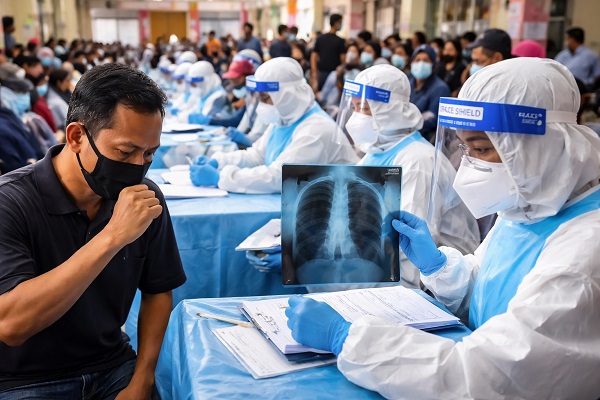 Rising tuberculosis cases highlight ongoing public health challenges in Malaysia
Sabah reported the highest cumulative number of cases, accounting for nearly 24 percent of the national total, followed by Selangor with over 18 percent and Sarawak with approximately 10 percent. Other states, including Johor, Kuala Lumpur, Penang, Kedah, and Perak, also contributed significant numbers.
Health authorities have warned that TB remains a serious infectious disease that spreads through the air when infected individuals cough, sneeze, or speak. The disease primarily affects the lungs but can also damage other organs if left untreated.
Increased screening reveals previously hidden infections
Malaysia’s Health Ministry has suggested that increased screening and surveillance efforts are a major reason behind the recent rise in reported cases. Expanded diagnostic campaigns have allowed healthcare workers to identify infections that may previously have gone unnoticed.
Experts explain that improved testing does not necessarily mean the disease suddenly became more widespread. Instead, it often reflects better detection of infections already circulating within communities. This
Medical News report highlights that public health officials are emphasizing early screening to stop transmission chains before they expand further.
Authorities have urged individuals experiencing symptoms such as persistent cough, fever, unexplained weight loss, night sweats, or fatigue to seek immediate medical evaluation. Early treatment is highly effective and can prevent both severe complications and further spread.
Active clusters and persistent transmission patterns
Malaysia has identified at least 10 active TB clusters across the country as of early February, with several concentrated in highly populated regions such as Selangor. Clusters are defined as groups of epidemiologically linked infections occurring in specific locations or communities.
These clusters indicate that TB transmission is ongoing in certain environments, including densely populated residential areas, workplaces, and institutional settings. Health experts emphasize that TB transmission is often prolonged and difficult to control without aggressive contact tracing and screening programs.
In 2025 alone, Malaysian authorities documented 88 TB clusters involving more than 250 confirmed infections, demonstrating the persistence of the disease even as treatment programs remain available.
WHO warns true infection numbers may be significantly higher
Global health experts are particularly concerned that official statistics may underestimate the true scale of Malaysia’s TB epidemic. The World Health Organization has warned that while Malaysia reports approximately 70 cases per 100,000 people, the real infection rate may be closer to 110 cases per 100,000.
This discrepancy suggests that many infections remain undiagnosed or unreported. Experts warn that under-reporting can allow TB to spread silently, especially among vulnerable populations and in crowded environments where contact tracing is more difficult.
Medical professionals have described TB in Malaysia as a “slow-burn epidemic,” meaning the disease continues spreading steadily over time rather than appearing as a sudden outbreak.
Prevention measures and public awareness remain critical
Health authorities continue to stress preventive measures such as wearing masks in crowded places, practicing cough hygiene, and seeking medical evaluation promptly when symptoms appear. Early diagnosis and treatment remain the most effective strategies to stop transmission and prevent severe illness.
Malaysia’s ongoing TB surveillance and treatment programs are helping to control the disease, but health experts warn that sustained vigilance is essential to reduce infection rates in the coming years.
The rising number of tuberculosis cases in Malaysia highlights the complex balance between improved detection and ongoing transmission risks. While expanded screening programs have helped uncover hidden infections, the warning from global health authorities about under-reporting suggests that the true burden may be even greater. Continued investment in screening, public awareness, early diagnosis, and treatment is essential to prevent further spread, protect vulnerable populations, and reduce long-term health risks associated with this persistent infectious disease.
References:
https://www.mjpath.org.my/2025/v47n1/tuberculosis.pdf
https://www.scmp.com/week-asia/health-environment/article/3343224/malaysia-risks-under-reporting-tb-cases-slow-burn-epidemic-persists
https://www.nst.com.my/news/nation/2026/02/1380188/increased-screening-likely-behind-slight-tb-rise-says-health-minister
For the latest on the Tuberculosis situation in Malaysia, keep on logging to Thailand
Medical News.
Read Also:
https://www.thailandmedical.news/articles/tuberculosis-tb-news




 Share
Share
 Tweet
Tweet
 Share
Share