Nikhil Prasad Fact checked by:Thailand Medical News Team Feb 01, 2026 8 months, 1 week, 4 days, 23 hours, 27 minutes ago
Medical News: Cholangiocarcinoma, a cancer that begins in the bile ducts, is emerging as one of the most challenging and deadly cancers worldwide. Once considered rare, this disease is now increasing steadily across many regions, worrying doctors, researchers, and patient advocates alike. This
Medical News report highlights new international expert findings that reveal why this cancer remains so difficult to detect, treat, and survive.
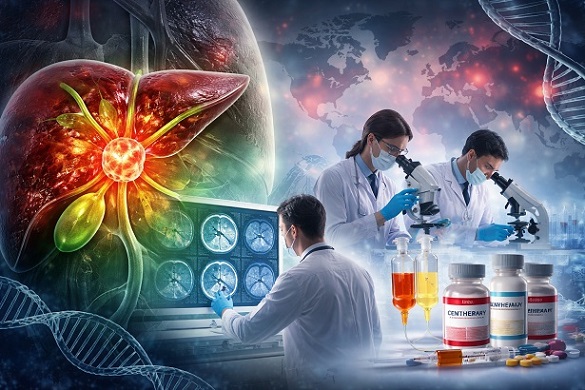 Global experts warn that bile duct cancer is rising fast while treatment options struggle to keep up
A Silent Cancer with Rising Global Impact
Global experts warn that bile duct cancer is rising fast while treatment options struggle to keep up
A Silent Cancer with Rising Global Impact
Cholangiocarcinoma often develops quietly, with few or no symptoms in its early stages. Because of this, many patients are diagnosed only after the disease has spread or become too advanced for curative surgery. Experts report that cholangiocarcinoma now accounts for about 10 to 15 percent of all primary liver cancers and roughly 3 percent of gastrointestinal cancers globally. Mortality rates continue to rise, especially in Europe, parts of Asia, and regions such as northeastern Thailand, where liver fluke infections remain a major risk factor.
Different Types with the Same Poor Outcome
Doctors now classify cholangiocarcinoma into three main types based on where it starts in the bile ducts: intrahepatic, perihilar, and distal. While these subtypes differ in genetics and behavior, they all share a troubling trait, poor survival outcomes. Most tumors grow unnoticed until they block bile flow or spread to other organs, leading to symptoms like jaundice, weight loss, fatigue, and abdominal pain.
Why Diagnosis Comes Too Late
Current screening tools are limited. Blood markers such as CA19-9 are commonly used but are unreliable for detecting early disease. Imaging tools like MRI and CT scans help, but even these can miss small or early tumors. In patients with underlying liver disease, distinguishing cholangiocarcinoma from other liver cancers remains difficult. As a result, only about 20 to 30 percent of patients are eligible for surgery at diagnosis.
Limited Treatment Options for Advanced Disease
Surgery remains the only potential cure, but most patients cannot undergo surgery due to late diagnosis. For advanced disease, chemotherapy combinations using cisplatin and gemcitabine, often paired with immunotherapy drugs, are now considered standard care. These treatments can slow disease progression but rarely offer long-term survival. Second-line treatments provide only modest benefits.
Hope Through Precision Medicine
One of the most promising developments is molecular profiling. Researchers have identified genetic changes such as FGFR2 fusions, IDH1 mutations, BRAF alterations, and HER2 amplification in certain patients. These discoveries allow doctors to match some patients with targeted therapies, improving outcomes for select groups. Experts now strongly recommend genetic testing for all patients with advanced cholangiocarcinoma.
Tumor Environment Ma
kes Treatment Harder
Cholangiocarcinoma tumors are surrounded by dense scar-like tissue that protects cancer cells and blocks immune responses. This hostile environment reduces the effectiveness of chemotherapy and immunotherapy. Researchers are exploring ways to disrupt this tumor support system to make treatments work better.
Patient Care Beyond Medicine
Experts emphasize that nutrition counseling and psychological support should begin immediately after diagnosis. Quality of life remains a major concern, especially as survival times are often short. Patient advocacy groups played a key role in shaping these new recommendations.
Conclusions And Future Directions
The consensus is clear: cholangiocarcinoma is increasing worldwide, yet remains underdiagnosed and undertreated. Early detection tools are inadequate, and current therapies offer limited survival benefits for most patients. However, advances in genetic testing, targeted therapies, and understanding the tumor environment offer cautious hope. Experts stress the urgent need for global collaboration, better biomarkers, improved screening for high-risk groups, and expanded clinical trials. Without coordinated action, cholangiocarcinoma will continue to be diagnosed too late, with devastating consequences for patients and families.
The study findings were published in the peer reviewed journal: Nature Reviews Gastroenterology & Hepatology.
https://www.nature.com/articles/s41575-025-01153-w
For the latest on Cholangiocarcinoma, keep on logging to Thailand
Medical News.
Read Also:
https://www.thailandmedical.news/articles/cancer