Phytochemicals from Ayahuasca Plant Compounds Show Promise Against Brain Inflammation and Treating Neuro-COVID
Nikhil Prasad Fact checked by:Thailand Medical News Team Feb 01, 2026 8 months, 1 week, 5 days, 34 minutes ago
Medical News: A new laboratory study from Brazilian researchers has uncovered compelling evidence that natural compounds found in the Amazonian vine Banisteriopsis caapi (Ayahuasca Plant) may help reduce brain inflammation linked to COVID-19 and other neurological conditions. The findings offer fresh hope for understanding and possibly easing the lingering brain related symptoms often reported after severe coronavirus infection.
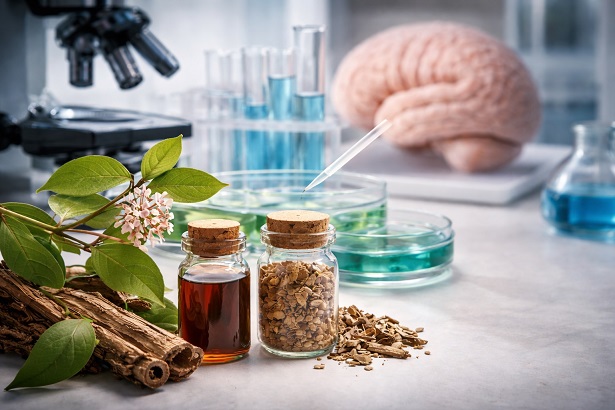 Natural compounds from an Amazonian vine reduce key brain inflammation markers linked to COVID-19
Understanding Brain Inflammation and COVID-19 Impact
Natural compounds from an Amazonian vine reduce key brain inflammation markers linked to COVID-19
Understanding Brain Inflammation and COVID-19 Impact
Brain inflammation, also known as neuroinflammation, plays a major role in conditions such as Alzheimer’s disease, Parkinson’s disease, depression, anxiety, and increasingly, COVID-19. Many patients with severe COVID experience neurological symptoms including memory problems, brain fog, headaches, and difficulty concentrating. Scientists believe this is partly driven by excessive inflammatory molecules flooding the brain during infection.
In this
Medical News report, researchers focused on interleukin-6 (IL-6) and tumor necrosis factor alpha (TNF-α), two powerful inflammatory markers known to surge in severe COVID cases. Blood samples from hospitalized patients showed that IL-6 levels were dramatically higher in those requiring intensive care compared to non-ICU patients, highlighting its strong link to disease severity.
What The Researchers Studied
The study was led by scientists from the Department of Physiological Sciences at Santa Casa de São Paulo School of Medical Sciences, the State University of Campinas, the Federal University of São Paulo, the University of São Paulo, and Hospital Sírio-Libanês in Brazil. Using human neuronal SH-SY5Y cells in the laboratory, the team induced inflammation using bacterial lipopolysaccharide to mimic severe neuroinflammatory conditions.
They then tested harmine and harmaline, two beta-carboline phytochemical compounds naturally present in Banisteriopsis caapi, as well as a low concentration extract of the plant itself. These substances were carefully selected at doses that did not harm the nerve cells.
Key Findings Explained Simply
The results were striking. Harmine and harmaline significantly reduced levels of IL-6 and TNF-α in inflamed nerve cells. Harmine also suppressed NF-κB, a master switch in the body that controls inflammation and triggers cytokine storms. By calming this pathway, the compounds effectively dampened the inflammatory response at its source.
The plant extract showed a more selective effect. While it reduced TNF-α and lowered NF-κB activity, it did not significantly reduce IL-6 in the cell model. Importantly, none of the treatments damaged the cells, suggesting potential safety at low doses.
Links To Coronavirus Entry into Brain Cells&l
t;br />
The researchers also examined how these compounds affected proteins involved in SARS-CoV-2 entry into cells. Harmine and harmaline lowered levels of TMPRSS2, a key enzyme that helps the virus infect cells. Meanwhile, the plant extract slightly increased ACE2, a receptor that also plays protective roles in brain and blood vessel health, potentially offering benefits beyond viral entry concerns.
Why These Findings Matter
These discoveries suggest that compounds from Banisteriopsis caapi may help reduce harmful brain inflammation without causing toxicity. While this research was conducted in laboratory cells and not in patients, it provides a strong scientific foundation for further studies into treatments for neuro-COVID and other inflammation-driven brain disorders.
Conclusion
Overall, the study highlights the powerful anti-inflammatory and neuroprotective potential of beta-carbolines found in Banisteriopsis caapi. By reducing key inflammatory markers, calming the NF-κB pathway, and influencing proteins linked to SARS-CoV-2 brain entry, these compounds may one day contribute to strategies aimed at protecting the brain during severe infections. Further animal and human studies will be essential before any clinical applications can be considered, but the findings open an intriguing new direction for future neurological and COVID-related research.
The study findings were published in the peer reviewed journal: Frontiers in Pharmacology.
https://www.frontiersin.org/journals/pharmacology/articles/10.3389/fphar.2025.1703727/full
For the latest research on treating brain inflammation, keep on logging to Thailand
Medical News.
Read Also:
https://www.thailandmedical.news/articles/herbs-and-phytochemicals
https://www.thailandmedical.news/articles/coronavirus




 Share
Share
 Tweet
Tweet
 Share
Share