Nikhil Prasad Fact checked by:Thailand Medical News Team Dec 18, 2025 9 months, 3 weeks, 11 hours, 55 minutes ago
Medical News: Legionnaires’ disease is a serious form of pneumonia that continues to worry doctors and public health officials worldwide. Caused by Legionella bacteria found in contaminated water systems, the illness can be life threatening, especially for older adults and people with weak immune systems. Now, new research from Spain suggests that an existing antibiotic may offer a safer and more powerful treatment option than some drugs currently in use.
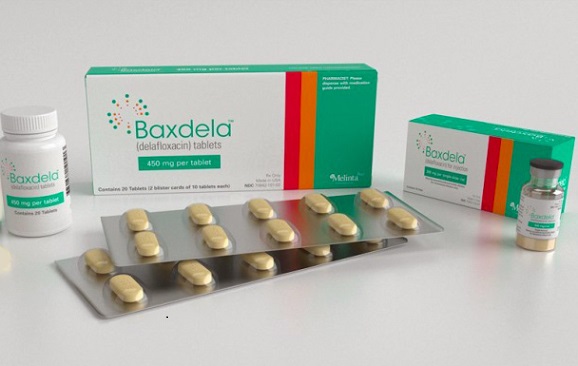 A new study finds delafloxacin may outperform standard antibiotics in fighting deadly Legionella
infections inside human cells
Understanding the Growing Threat of Legionella
Legionnaires’ disease spreads when people inhale tiny droplets of water carrying Legionella bacteria, often from air conditioning systems, showers, or industrial water sources. Across Europe, cases have risen sharply in recent years, increasing from about 2.4 to 3.5 infections per 100,000 people in just five years. Experts believe climate change, warmer water systems, better detection, and increased awareness are all contributing to this rise. Because the bacteria hide and multiply inside human immune cells called macrophages, treating the disease is especially challenging.
Why Current Treatments Have Limitations
Doctors usually rely on antibiotics that can enter human cells and kill the bacteria inside them. Levofloxacin is one of the most commonly used drugs for Legionnaires’ disease. While effective, it often requires high doses and can cause side effects linked to the fluoroquinolone class of antibiotics, including heart rhythm issues and tendon problems. These concerns have pushed researchers to look for alternatives that are just as effective but potentially safer.
Details of the New Study
Researchers from the Germans Trias i Pujol Research Institute also known as IGTP in Spain led a detailed laboratory study to test delafloxacin, a newer fourth generation fluoroquinolone antibiotic. The work was carried out by the Clinical and Environmental Infectious Diseases Study Group at IGTP, in collaboration with an international pharmaceutical company. Scientists examined ten different strains of Legionella using a laboratory model that mimics infection inside human macrophages. This Medical News report highlights how the team compared delafloxacin directly with levofloxacin under the same conditions.
Stronger Action Inside Human Cells
The findings were striking. Delafloxacin was able to stop the bacteria from multiplying inside cells at concentrations five to ten times lower than those needed for levofloxacin. This stronger effect was seen in almost all tested strains, including the most common type responsible for human disease. Only one species, Legionella longbeachae, responded similarly to both antibiotics. Importantly, advanced testing showed that delafloxacin actually killed the bacteria rather than forcing them into a hidden dormant state that could later reactivate.
Why Delafloxacin Works Better
Delafloxacin has special chemical properties that help it work well in acidic environments like those found inside infected cells. Unlik
e older antibiotics, it can enter cells more easily and remain trapped inside, allowing it to attack the bacteria more effectively. The study also confirmed that delafloxacin does not merely slow bacterial growth but completely destroys the organisms, reducing the risk of persistent or recurring infection.
Safety and Future Potential
Previous clinical trials have already shown that delafloxacin generally causes fewer serious side effects than many older fluoroquinolones. It is already approved in Europe and the United States for skin infections and community acquired pneumonia. Researchers believe that its stronger activity against Legionella could mean lower doses are needed, further reducing the risk of side effects for patients.
Limitations and Next Steps
The researchers caution that their work was conducted in the laboratory and involved a limited number of bacterial strains. While the results are encouraging, clinical studies in real patients are needed to confirm whether delafloxacin leads to faster recovery, fewer complications, and better overall outcomes compared with existing treatments. Larger trials will also help clarify its effectiveness against less common Legionella species.
Conclusion
Overall, this study provides important new evidence that delafloxacin could become a valuable alternative treatment for Legionnaires’ disease. Its strong ability to kill bacteria inside human cells, combined with a better safety profile, suggests it may improve patient care if future clinical trials confirm these benefits in real world settings.
The study findings were published in the peer reviewed International Journal of Infectious Diseases.
https://www.ijidonline.com/article/S1201-9712(25)00387-X/fulltext
For the latest on treating Legionnaires’ disease, keep on logging to Thailand
Medical News.
Read Also:
https://www.thailandmedical.news/articles/med-news




 Share
Share
 Tweet
Tweet
 Share
Share