Malaysian Study Finds That the Probiotic Bacteria LC-Plasma Help Fights Both COVID-19 and Influenza Viruses
Nikhil Prasad Fact checked by:Thailand Medical News Team Dec 13, 2025 9 months, 2 weeks, 1 day, 14 hours, 58 minutes ago
Medical News: A team of researchers from Universiti Malaya in Malaysia and Kirin Holdings Co., Ltd. in Japan have discovered that a specific probiotic strain called Lactococcus lactis strain plasma, or LC-Plasma, may help the human immune system fight dangerous viruses like SARS-CoV-2 and H1N1. The team found that this probiotic can stimulate the body’s immune cells to produce powerful antiviral substances, offering a possible new approach to treating respiratory infections.
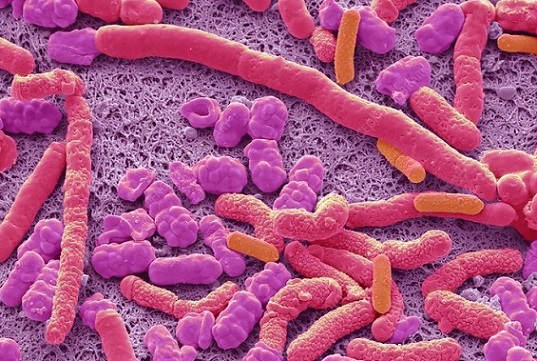 Lactococcus lactis probiotic strain LC-Plasma shows promise in stopping the spread of both COVID-19
and influenza viruses by boosting human immune cells.
The collaborative study involved experts from the Tropical Infectious Diseases Research and Education Centre (TIDREC) and the Department of Biomedical Science at Universiti Malaya, along with scientists from the Institute of Health Sciences at Kirin Holdings in Japan. This
Medical News report highlights how the study focused on the effects of LC-Plasma on human immune cells known as peripheral blood mononuclear cells (PBMCs), especially a rare but vital type called plasmacytoid dendritic cells (pDCs).
How the Probiotic Works
The researchers stimulated PBMCs from healthy human volunteers with LC-Plasma and collected the substances these cells released. This collected fluid, called LCP Sup, was then tested on laboratory cells infected with either H1N1 or SARS-CoV-2. The results showed a strong antiviral effect, especially against SARS-CoV-2. The probiotic-stimulated fluid significantly reduced viral replication and increased the expression of important defense genes, such as MxA and other interferon-stimulated genes (ISGs).
While the probiotic showed effects on both viruses, it worked better against SARS-CoV-2, possibly because of differences in how the cell types used in the experiments respond to interferons. The fluid had to be more concentrated to achieve the same effect against H1N1, indicating some variation in response.
Boosting the Body’s Own Defenses
Importantly, the study showed that LC-Plasma could activate a wide range of immune responses. It triggered not just interferon production but also the release of various cytokines, chemokines, and growth factors—natural substances the body uses to coordinate its defense against infections. These included TNF-α, IL-6, and IFN-γ, among others. The probiotic appeared to activate multiple immune cells, not just pDCs, suggesting a broader benefit in boosting immunity.
The researchers also highlighted the role of MxA, a gene that produces a protein known to trap and neutralize viruses before they can spread. MxA was the most highly increased ISG in the study, and it may be key to the probiotic’s antiviral properties.
Implications for Future Treatment
The findings add to growing interest in host-directed therapies—treatments that help the body fight off infections by enhancing its own natural defens
es rather than directly targeting viruses. Because LC-Plasma is derived from food and already used as a probiotic, it may offer a safe and economical option to support the immune system against a range of viruses, including emerging variants that may escape current vaccines.
Although more research is needed, especially in real-world human settings, the study provides a promising foundation for future development of probiotic-based antiviral support, particularly for people at high risk or in settings with limited access to medical treatments.
The study findings were published in the peer reviewed International Journal of Molecular Sciences.
https://www.mdpi.com/1422-0067/26/23/11573
For the latest on COVID-19 and Influenza research, keep on logging to Thailand
Medical News.
Read Also:
https://www.thailandmedical.news/articles/coronavirus
https://www.thailandmedical.news/articles/influenza-or-flu




 Share
Share
 Tweet
Tweet
 Share
Share

































