Nikhil Prasad Fact checked by:Thailand Medical News Team Dec 10, 2025 9 months, 4 weeks, 1 day, 2 hours, 41 minutes ago
Medical News: Melatonin Shows Promise in Protecting Brain Cells from Inflammation
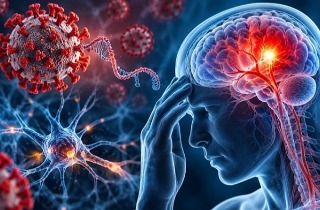
A new study by researchers from the Universidade Federal do Rio Grande do Sul and the Instituto Nacional de Ciência e Tecnologia em Neuroimunomodulação in Brazil reveals that melatonin, a naturally occurring hormone, may help reduce brain inflammation in older adults. Their research focused on astrocytes, a type of brain cell crucial for maintaining normal brain function and protecting neurons from damage.
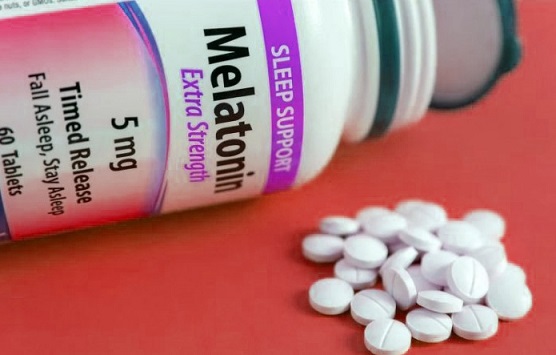 New research shows melatonin reduces inflammation in aging brain cells by boosting protective pathways
like Nrf2 and SIRT1
As we age, these cells often lose their efficiency, contributing to neurodegenerative diseases like Alzheimer’s or Parkinson’s. In this
Medical News report, the scientists explored whether melatonin could counteract this decline by studying mature astrocytes taken from adult rats.
Key Effects of Melatonin on Inflammation
In their experiments, the researchers treated cultured adult astrocytes with melatonin at a dose higher than normally found in the body. They found that while melatonin did not affect the energy production, structure, or antioxidant levels of the cells, it significantly lowered the expression of several key inflammation-related genes and enzymes, including NFκB, COX-2, and iNOS.
At the same time, melatonin increased the production of two important anti-inflammatory cytokines, IL-6 and IL-10. These changes suggest melatonin plays a key role in calming inflammatory activity in brain cells without disturbing their basic functions.
Melatonin Activates Protective Pathways in Brain Cells
Importantly, the researchers found that melatonin boosted the expression of two major protective molecules—Nrf2 and SIRT1. These are known to help regulate how cells respond to stress and inflammation. While melatonin reduced the gene expression of AMPK and PGC-1α, which are involved in energy regulation, the levels of the related PGC-1α protein did not decrease—suggesting a complex balancing act at play.
Interestingly, melatonin did not change the redox (antioxidant) state of the cells under normal conditions, indicating its protective role may be more about preparing cells for future stress rather than changing their baseline condition.
Why This Study Matters
This study is one of the few to examine melatonin’s effects specifically on adult astrocytes rather than immature brain cells. These findings are crucial because they show how melatonin can help reduce harmful inflammation in the aging brain by activating protective signaling pathways, even when oxidative stress isn't present. The researchers suggest this effect could offer future therapeutic options for age-related neurodegenerative diseases.
The study findings were published in the peer reviewed journal: Biomedicines.
/www.mdpi.com/2227-9059/13/12/2967">https://www.mdpi.com/2227-9059/13/12/2967
For the latest on anti-Inflammatory therapeutics, keep on logging to Thailand
Medical News.
Read Also:
https://www.thailandmedical.news/news/study-shockingly-finds-that-long-term-melatonin-use-dramatically-raises-heart-failure-risk
https://www.thailandmedical.news/news/melatonin-could-be-the-missing-key-to-relieving-long-covid-pain-and-inflammation
https://www.thailandmedical.news/news/melatonin-could-be-the-missing-link-in-glaucoma-therapy-offering-hope-for-millions-facing-vision-loss




 Share
Share
 Tweet
Tweet
 Share
Share