Nikhil Prasad Fact checked by:Thailand Medical News Team Dec 09, 2025 9 months, 2 weeks, 5 days, 16 hours, 44 minutes ago
Medical News: Natural Compounds Show Promise in Slowing Aggressive Brain Tumors
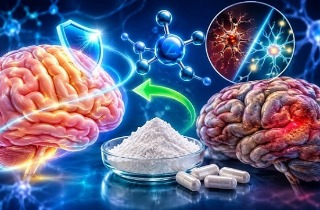
Scientists from the University of Ioannina and the University Hospital of Ioannina in Greece have uncovered hopeful evidence that certain natural compounds found in foods and herbs might help prevent or slow the growth of dangerous brain tumors called gliomas. These tumors, especially the deadly glioblastoma, are known for being hard to treat and for surviving even after aggressive treatments like surgery, chemotherapy, and radiation.
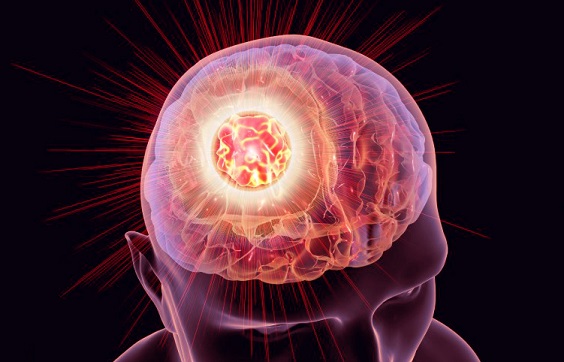 Natural plant compounds could help stop glioma by targeting brain inflammation
In this
Medical News report, researchers explored how natural anti-inflammatory substances may work alongside standard cancer care. These compounds appear to weaken three major inflammatory pathways—NF-κB, COX-2/prostaglandin E2, and the NLRP3 inflammasome—that glioma cells use to grow, invade surrounding tissue, and avoid the immune system.
How Natural Agents Fight Inflammation in the Brain
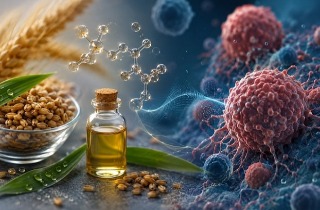
The study examined several classes of natural compounds, including polyphenols (found in turmeric, green tea, grapes, and berries), isothiocyanates (found in broccoli and related vegetables), terpenes and lignans (from herbs like magnolia and ginseng), omega-3 fatty acids (from fish oils), and alkaloids such as berberine.
Each compound type was found to influence different parts of the brain tumor environment. For example, curcumin (from turmeric) and resveratrol (from red wine) block inflammatory chemicals that help tumors grow. EGCG from green tea stops key enzymes and may help standard treatments work better. Sulforaphane from broccoli interferes with tumor resistance to drugs like temozolomide.
Reprogramming the Tumor’s Environment
The research also showed that these natural agents do more than just target the tumor cells—they may also change the surrounding immune and support cells that help tumors thrive. Tumor-associated macrophages, which usually protect the tumor, can be reprogrammed by these compounds into cells that instead attack the tumor.
Honokiol, a compound from magnolia bark, was especially promising. It can cross the blood–brain barrier and change the immune environment inside the tumor, making it harder for the cancer to spread. Meanwhile, omega-3 fatty acids and their derivatives were found to reduce harmful inflammation and may even boost the body’s immune response.
Safety and Next Steps
These natural substances are generally safe when consumed in common food-based doses, but many have poor absorption into the brain. To improve their effects, researchers suggest using special delivery methods like nanoparticles or liposomal carriers. They also urge more clinical studies to test which compounds work best, in what amounts, and with which patient types.
Conclusion
While not a cure, these natural compounds could offer extra protection again
st aggressive brain tumors like glioblastoma. When used carefully alongside traditional treatments, they may reduce inflammation, support the immune system, and help existing therapies work better. The study highlights the potential of low-toxicity, diet-derived agents as a future part of brain cancer care, especially if used early or during treatment.
The study findings were published in the peer reviewed journal: Cancers.
https://www.mdpi.com/2072-6694/17/24/3922
For the latest on Herbs and Phytochemicals and Cancers, keep on logging to Thailand
Medical News.
Read Also:
https://www.thailandmedical.news/articles/herbs-and-phytochemicals
https://www.thailandmedical.news/articles/cancer




 Share
Share
 Tweet
Tweet
 Share
Share