Nikhil Prasad Fact checked by:Thailand Medical News Team Dec 07, 2025 9 months, 3 weeks, 16 hours, 26 minutes ago
Medical News: Ancient Algae Offers New Hope
A new breakthrough study by researchers from the Instituto Politécnico Nacional and Universidad Nacional Autónoma de México has revealed that Spirulina maxima, a type of blue-green algae, could hold potent antiviral properties against the chikungunya virus (CHIKV), which has been spreading in many parts of the world. This discovery is especially significant as there are currently no approved antiviral drugs to treat or prevent chikungunya infections.
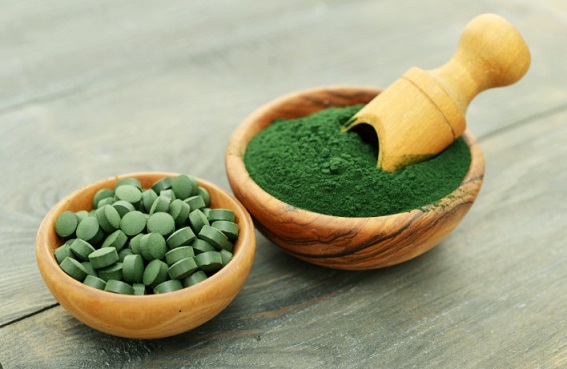 Researchers discover that Spirulina algae can completely block the replication of the chikungunya virus in
lab studies, offering a potential natural treatment option. Image Credit: Getty/Istock
This
Medical News report covers the key findings of this promising research, which was conducted using in vitro experiments on various cell lines to determine the antiviral potential of compounds extracted from Spirulina maxima.
Understanding the Chikungunya Threat
The chikungunya virus is spread through Aedes mosquitoes, the same species responsible for dengue and Zika. While not always fatal, CHIKV infection can cause long-lasting joint pain, fever, rashes, and fatigue that may persist for months or even years. In severe cases, it may even affect the nervous system. As of early 2025, over 80,000 cases have been reported across 14 countries, with Brazil being the hardest hit.
The Power of Spirulina Extracts
Researchers used a commercial Spirulina maxima powder and extracted compounds using water, hexane, dichloromethane, and methanol. They tested the antiviral effectiveness of these extracts on three types of human and animal cells: VERO (monkey kidney), HepG2 (human liver), and BJ (human fibroblasts).
The methanol-based extract (SP-M) stood out, showing complete inhibition of the chikungunya virus at just 15 µg/mL across all tested cell lines. Importantly, this extract did not harm healthy cells, making it a safe candidate for further development. Other extracts using hexane or dichloromethane showed little to no antiviral effect.
How the Extract Works
Timing experiments showed that the Spirulina methanol extract is most effective when applied before or during early stages of infection. This suggests it may block the virus from entering the cells or stop early genome replication. At higher doses, the extract was able to halt replication entirely.
The researchers also conducted RT-PCR tests, which confirmed that viral RNA replication was drastically reduced, especially at the higher extract concentration.
What’s Inside the Extract
Chemical analysis showed that the methanol extract contained over 560 different bioactive compounds. Some of the major ones—like azelaic acid, betaine, and certain fatty acids—are already known to have antiviral properties. However, none had been previously linked specifically to fighting chikungunya. The researchers now aim to isolate and identify the ex
act molecules responsible for the antiviral activity.
Implications and Future Steps
This study is the first to demonstrate that Spirulina maxima harbors natural compounds capable of suppressing the chikungunya virus in laboratory settings. Given its safety and effectiveness, this algae-derived extract holds potential as the foundation for developing new antiviral therapies.
The findings are especially promising for countries hit hard by mosquito-borne illnesses. More work is needed to isolate the active compounds, study their behavior in the human body, and eventually conduct clinical trials. Still, this discovery marks a major step forward in natural antiviral drug research.
The study findings were published in the peer reviewed journal: Viruses
https://www.mdpi.com/1999-4915/17/12/1583
For the latest on Chikungunya, keep on logging to Thailand
Medical News.
Read Also:
https://www.thailandmedical.news/news/who-warns-of-chikungunya-virus-lineages-with-the-e1-226v-mutation-
https://www.thailandmedical.news/news/chikungunya-infection-can-cause-rare-immun
https://www.thailandmedical.news/news/uk-study-finds-that-chikungunya-virus-nsp3-protein-blocks-key-immune-pathway




 Share
Share
 Tweet
Tweet
 Share
Share

































